South Africa's President Ramaphosa Announces Migration Crackdown Amid Skepticism from Anti-Immigrant Groups
South African President Cyril Ramaphosa announced measures to curb illegal migration following weeks of xenophobic violence that prompted Ghana, Nigeria, and Malawi to evacuate their citizens. South Africa hosts an estimated 3.3 million documented immigrants, with unemployment at 33% fueling long-standing anti-immigrant sentiment that researchers say is being exploited ahead of November local elections. The crisis has strained regional diplomacy, with Ghana considering international legal action and Nigeria warning of retaliatory measures against Pretoria.
President Cyril Ramaphosa delivered a televised address pledging to strengthen border security, close immigration loopholes, prosecute corrupt officials enabling illegal hiring, and limit foreign workers — moves aimed at quelling weeks of xenophobic violence including deadly attacks on Mozambicans. His speech came just days after he dispatched diplomatic envoys across Africa to repair strained relations, highlighting the tension between domestic political pressures and South Africa's continental standing. Anti-migrant groups such as the All-Truck Drivers Forum and March and March dismissed the plan as unworkable, while experts note that South Africa's roughly 4,471 km land border — with numerous unofficial crossing points — makes comprehensive enforcement extremely difficult. Analysts also warn that Ramaphosa's address fails to address the root drivers of migration, including economic instability and conflict in neighboring countries like Zimbabwe and the DRC. Ghana has begun airlifting its nationals and is weighing legal action at international courts, Nigeria has threatened retaliatory measures, and Malawi is repatriating over 3,000 citizens ahead of a June 30 deadline set by anti-migrant groups. Researchers caution that political parties and community leaders are weaponizing anti-immigrant sentiment to capture votes ahead of November local elections. Experts urge the South African government to adopt a strategic, evidence-based approach rather than populist reactions, noting that South African companies benefit significantly from economic ties across the continent.
Data: FT/Focaldata via Semafor
What's missing
Neither source details the specific legal or treaty frameworks Ghana intends to invoke in potential international court proceedings, nor do they quantify the economic contribution of migrants to South Africa's economy — context that would help assess the full cost-benefit dimension of the crackdown.
How coverage differed
Deutsche Welle provided extensive structural context — migration history, border geography, expert analysis, and affected migrants' personal accounts — framing the story as a complex governance and regional diplomacy challenge. Semafor focused more tightly on Ramaphosa's political balancing act between domestic appeasement and foreign relations, emphasizing the electoral dimension and the recurrent nature of xenophobic flare-ups since 2008.
What different sources said
- Deutsche WelleCenter
South Africa migration crisis: Ramaphosa's plan faces doubt
- SemaforCenter
Ramaphosa vows migrant crackdown amid rising xenophobia
Related
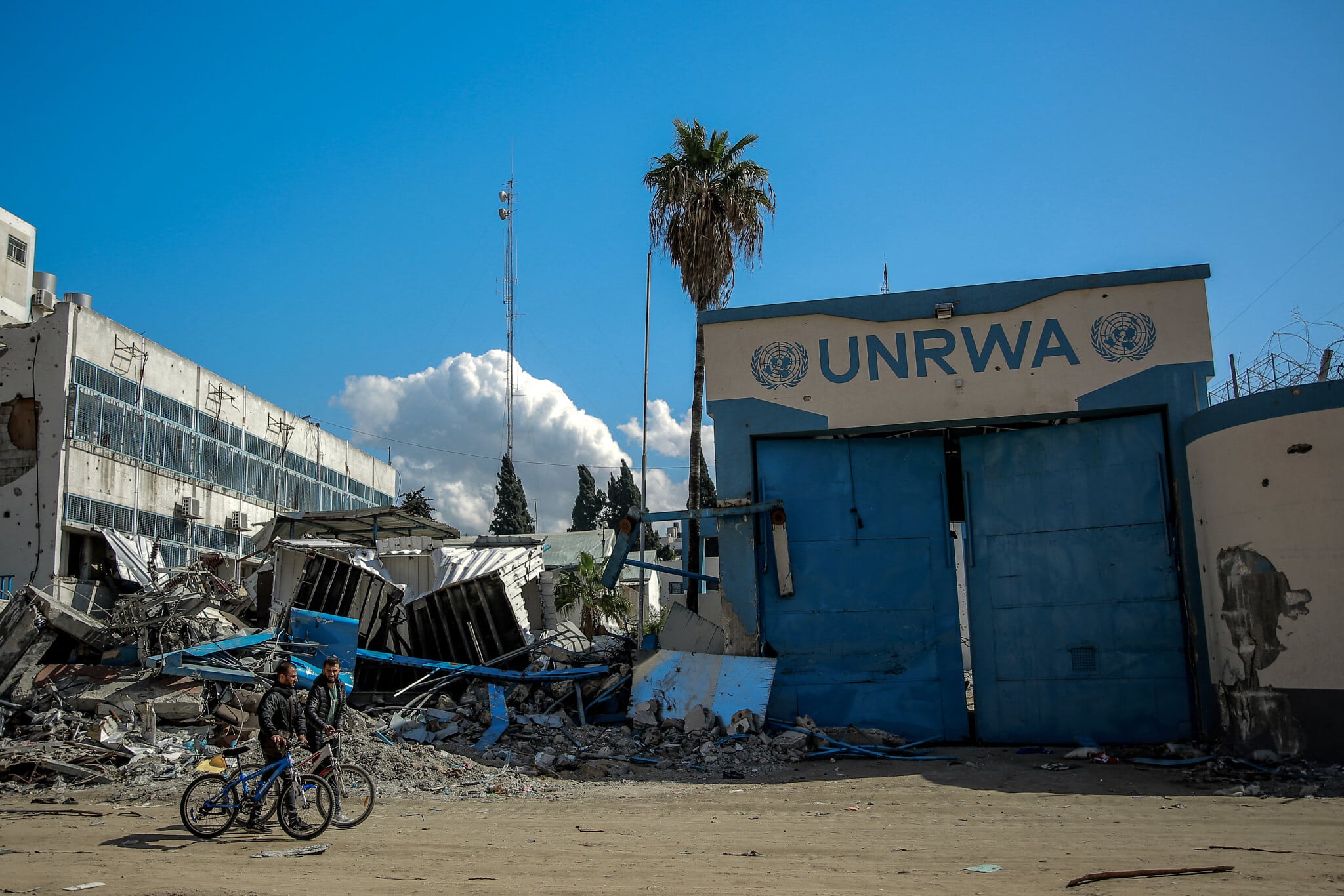
UNRWA Fires 70 Gaza Staff Members, Denies Terminations Validate Hamas Allegations
The UN agency for Palestinian refugees, UNRWA, has dismissed 70 employees in Gaza with immediate effect, citing safety and security risks. The move follows a USAID investigation that referred over 100 UNRWA staff for suspension or dismissal, and longstanding Israeli allegations that significant portions of the agency's workforce have ties to Hamas. The firings mark a significant but contested step in addressing accusations that have dogged the agency since the October 7, 2023 attacks, while UNRWA insists the dismissals are not an admission of guilt.
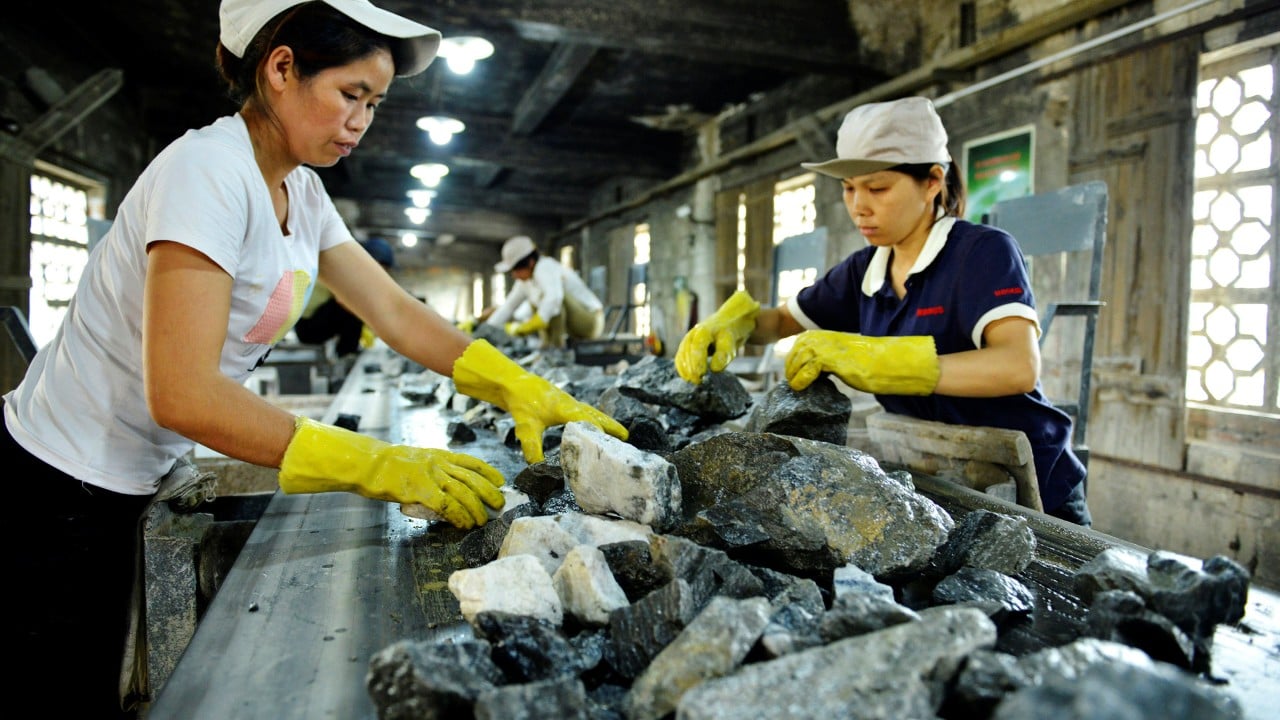
China's Tungsten Export Controls Ripple Through Global Supply Chains, From AI Chips to Weapons
China's 2025 export restrictions on tungsten have triggered price surges, potential production halts at Japanese semiconductor gas manufacturers, and a push to revive domestic mining in the United States. Tungsten, of which China produces over 78 percent of global supply, is critical to both advanced AI chipmaking and military munitions. The disruptions are exposing deep vulnerabilities in Western and Asian supply chains for a material with few short-term substitutes.

Rain Delays Start of India vs Afghanistan 1st ODI in Dharamshala
Persistent drizzle has delayed the toss and cast doubt over the first ODI between India and Afghanistan at the Himachal Pradesh Cricket Association Stadium in Dharamshala. The meteorological department issued an orange alert for June 12 warning of thunderstorms and hail across parts of Himachal Pradesh, with a 60–70% chance of showers forecast throughout the day. The delay threatens what would have been a historically significant match — the first-ever bilateral ODI series between the two nations.