Slovenia Lifts Arms Trade Ban with Israel Under New Government

Slovenia's conservative-led government under Prime Minister Janez Jansa revoked a 2025 ban on arms trade with Israel and lifted entry restrictions on Israeli Prime Minister Benjamin Netanyahu and two ministers. The embargo had been imposed by the previous liberal government of Robert Golob, who declared Slovenia the first EU country to enact such a measure. The reversal signals a significant shift in Slovenia-Israel relations, with Israel also announcing plans to open its first embassy in Slovenia.
Slovenia's Defense Ministry announced on Thursday that the government of newly installed Prime Minister Janez Jansa has revoked a July 2025 decision banning the export, transit, and most imports of weapons and military equipment to and from Israel. The ministry stated the ban was no longer necessary, as arms trade is already governed by national law and EU regulations, including the EU Common Position on arms export controls. Beyond the arms embargo, Jansa's government also lifted travel bans on Netanyahu, National Security Minister Itamar Ben Gvir, and Finance Minister Bezalel Smotrich, and removed a ban on imports from Israeli settlements in the West Bank. The government said these steps would 'restore the conditions for a normal political dialogue with Israel' and strengthen Slovenia's role in Middle East peace efforts. The measures reverse a series of actions taken under former Prime Minister Robert Golob, whose government recognized Palestinian statehood in 2024, sanctioned Israeli officials, and boycotted the 2026 Eurovision Song Contest over Israel's participation. Israeli Foreign Minister Gideon Sa'ar praised Jansa as a 'bold leader and a true friend of Israel,' and Israel announced it would open its first embassy in Slovenia. Jansa's center-right government took office after a March election produced no outright majority, ending a period of political deadlock.
What's missing
The articles do not detail the volume or nature of arms trade between Slovenia and Israel prior to the 2025 embargo, nor do they address reactions from Palestinian authorities or Slovenian opposition parties to the policy reversal.
How coverage differed
The Jerusalem Post provided substantially more background on Jansa's pro-Israel stance and framed the policy reversal positively, including quotes celebrating the 'new chapter' in relations, while The Straits Times offered a more neutral, factual account focused on the policy mechanics. The Times of Israel added detail on the full scope of reversals, including the settlement import ban and Palestinian flag removal, and prominently featured Israeli Foreign Minister Sa'ar's laudatory response.
What different sources said
- The Straits TimesCenter
Slovenia lifts ban on arms trade with Israel
- The Jerusalem PostRight
Slovenia lifts ban on arms trade with Israel
- Times of IsraelCenter
Slovenia lifts ban on arms trade with Israel; Sa’ar lauds ‘just decision’ by new PM
Related
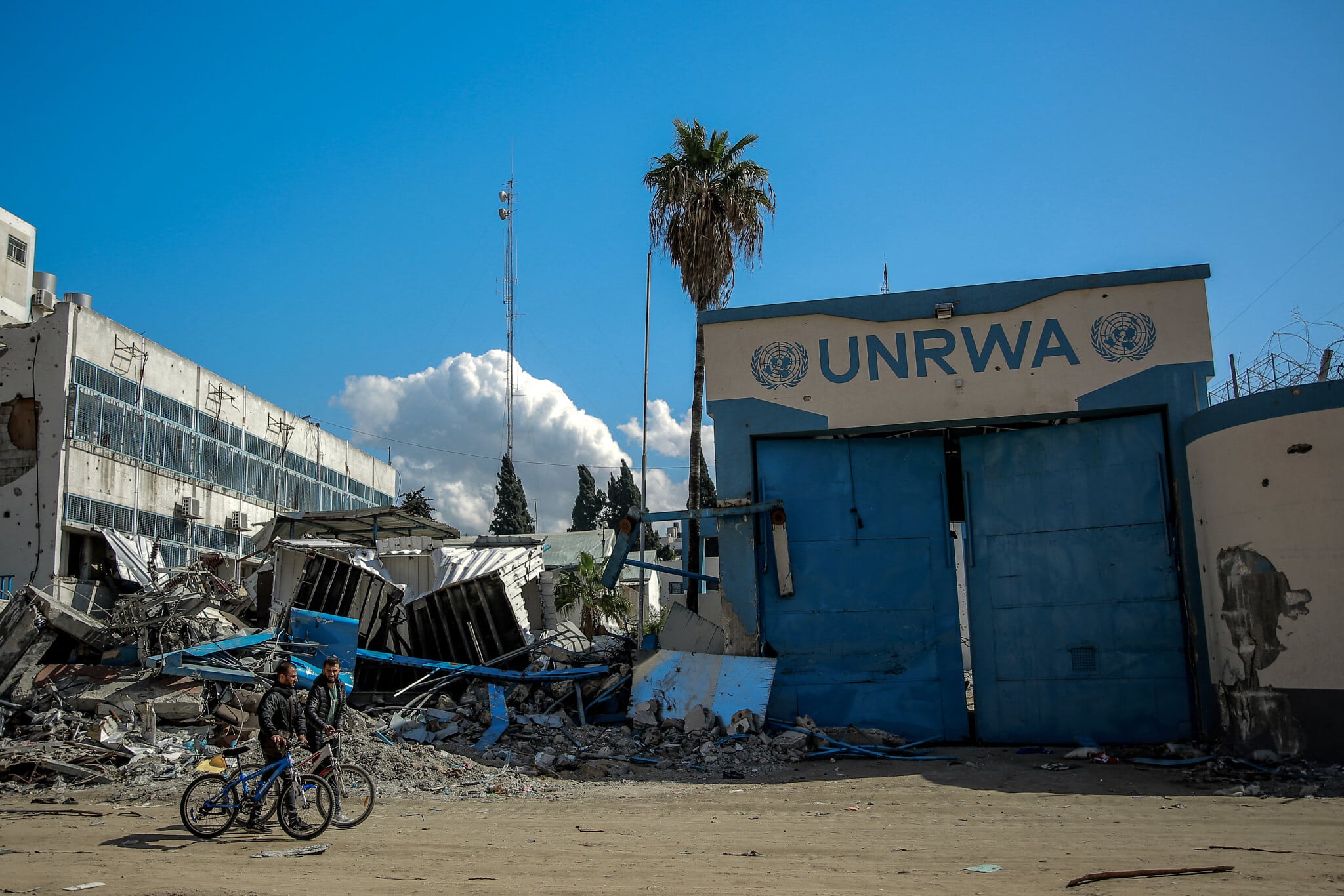
UNRWA Fires 70 Gaza Staff Members, Denies Terminations Validate Hamas Allegations
The UN agency for Palestinian refugees, UNRWA, has dismissed 70 employees in Gaza with immediate effect, citing safety and security risks. The move follows a USAID investigation that referred over 100 UNRWA staff for suspension or dismissal, and longstanding Israeli allegations that significant portions of the agency's workforce have ties to Hamas. The firings mark a significant but contested step in addressing accusations that have dogged the agency since the October 7, 2023 attacks, while UNRWA insists the dismissals are not an admission of guilt.
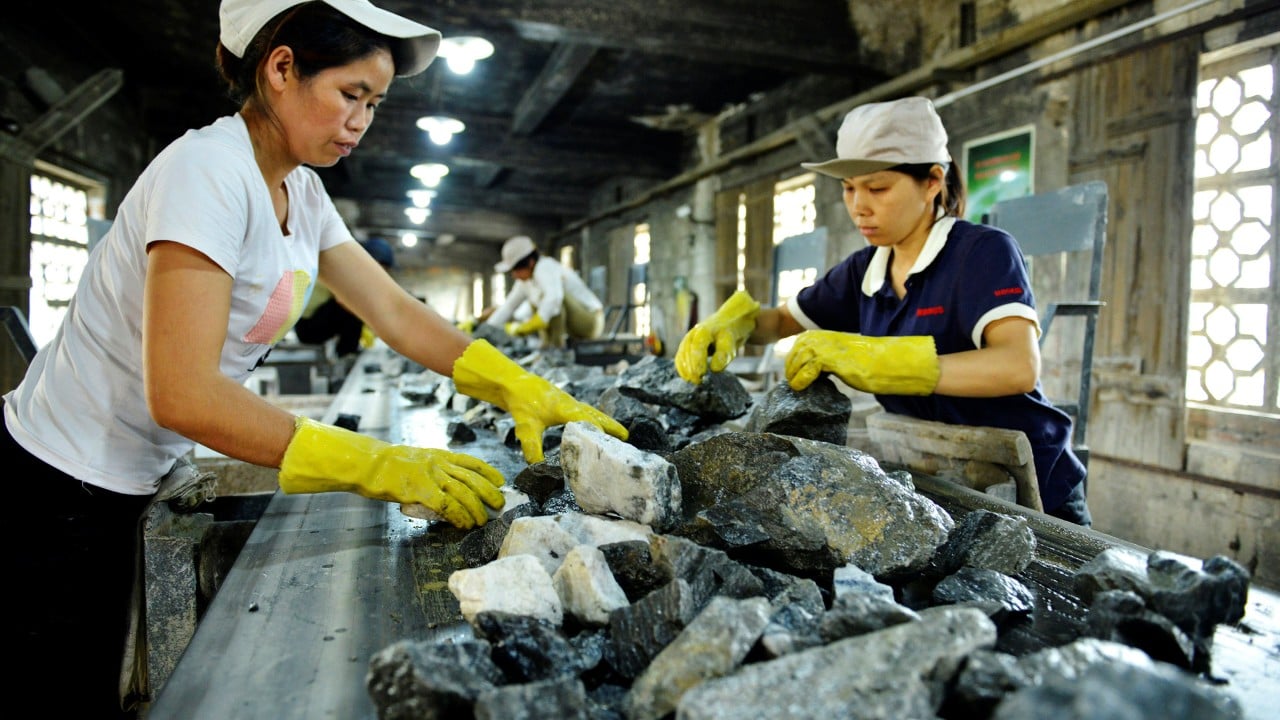
China's Tungsten Export Controls Ripple Through Global Supply Chains, From AI Chips to Weapons
China's 2025 export restrictions on tungsten have triggered price surges, potential production halts at Japanese semiconductor gas manufacturers, and a push to revive domestic mining in the United States. Tungsten, of which China produces over 78 percent of global supply, is critical to both advanced AI chipmaking and military munitions. The disruptions are exposing deep vulnerabilities in Western and Asian supply chains for a material with few short-term substitutes.

Rain Delays Start of India vs Afghanistan 1st ODI in Dharamshala
Persistent drizzle has delayed the toss and cast doubt over the first ODI between India and Afghanistan at the Himachal Pradesh Cricket Association Stadium in Dharamshala. The meteorological department issued an orange alert for June 12 warning of thunderstorms and hail across parts of Himachal Pradesh, with a 60–70% chance of showers forecast throughout the day. The delay threatens what would have been a historically significant match — the first-ever bilateral ODI series between the two nations.