Senator Scott Introduces Bill Requiring States to Report SNAP Fraud Data

Sen. Rick Scott introduced the SNAP Fraud Reporting Act, which would require states to submit fraud data to the Department of Agriculture for compilation into a national report for Congress. The bill comes amid an ongoing dispute between the Trump administration and 21 states plus D.C. over data collection efforts, with states citing privacy and immigration enforcement concerns. The legislation aims to increase transparency and accountability in the federal food assistance program.
Sen. Rick Scott (R-FL) introduced legislation Wednesday that would mandate states to report fraud cases, dollar amounts, and enforcement actions related to the Supplemental Nutrition Assistance Program (SNAP) to the Department of Agriculture. The bill follows a contentious data collection effort by the Trump administration seeking personally identifiable information from SNAP recipients to combat fraud. While 28 states and Guam complied with USDA requests for names, Social Security numbers, and addresses, 21 states and D.C. filed lawsuits citing privacy concerns and fears the data could be used for immigration enforcement, ultimately securing a preliminary injunction from a federal judge. Initial data from cooperating states released last November identified roughly 700,000 cases of suspected SNAP fraud and misuse, with 200,000 instances linked to deceased individuals' Social Security numbers. Scott and co-sponsor Rep. Dave Taylor (R-OH) framed the legislation as necessary to ensure accountability and protect hardworking families from fraud.
What's missing
The article does not provide details on the specific privacy protections or safeguards included in the proposed bill itself, nor does it include statements from states opposing the data collection efforts or from advocates concerned about privacy implications.
What different sources said
- Washington TimesRight
New bill would require states to report food-stamp fraud
Related
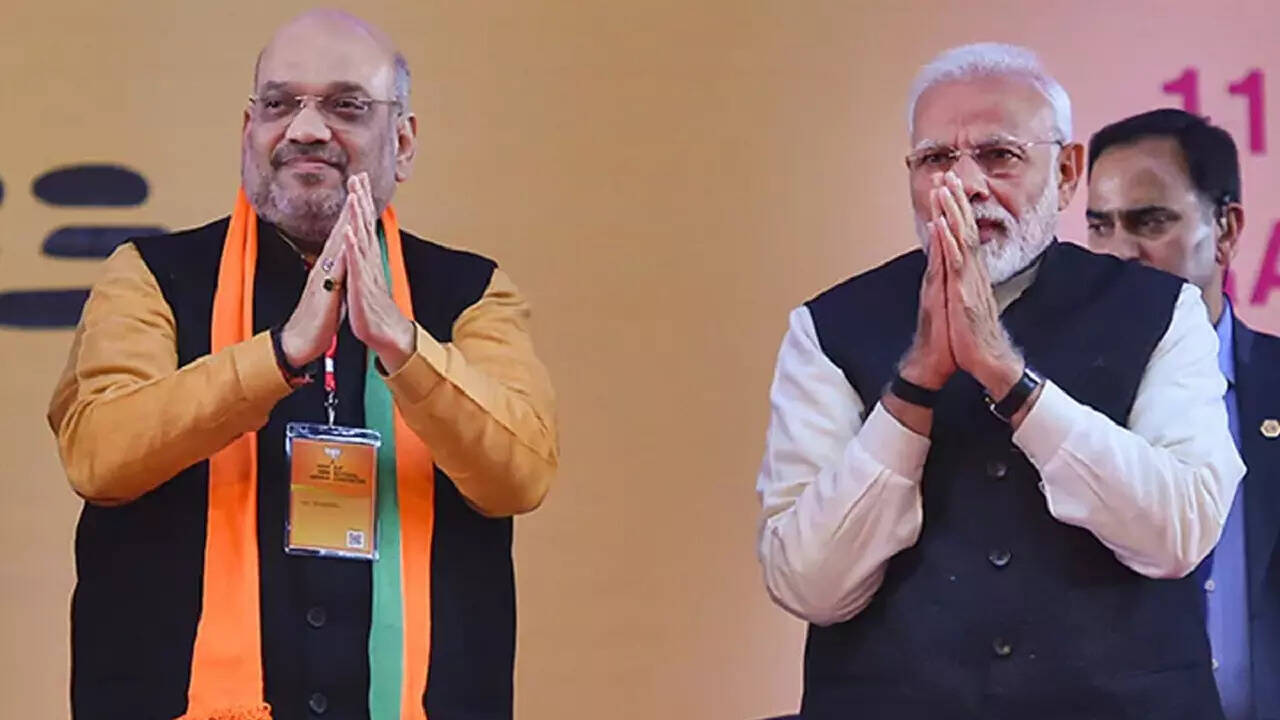
Indian Government Officials Praise Modi's 12-Year Tenure as He Surpasses Nehru's Term
Prime Minister Narendra Modi has completed 12 years in office, surpassing Jawaharlal Nehru's tenure as an elected head of government, prompting celebrations by senior Indian government officials. Home Minister Amit Shah and other cabinet members marked the milestone by praising Modi's leadership for restoring national pride, cultural renaissance, and strong governance. The occasion highlights a significant political milestone in independent India's history, with the ruling BJP framing Modi's tenure as transformative for the nation's development and global standing.

Debate Over Election Integrity Claims in California
A New York Post opinion piece criticizes California Democratic leaders for dismissing questions about recent election results while previously claiming the 2016 election was compromised by Russian interference. The article argues this represents hypocrisy, noting that investigations found no evidence of Russian collusion with the Trump campaign. The piece highlights California's election procedures, including mail-in voting and ballot harvesting, as potential vulnerabilities.
Texas Governor Abbott Proposes Stricter Data Center Regulations to Protect Residential Electricity Costs
Texas Gov. Greg Abbott proposed new regulations requiring data centers to pay for their own electric infrastructure, use water-efficient technology, and lose sales tax exemptions. The proposal reflects growing backlash against data centers across the US due to concerns about energy consumption, water usage, and rising utility costs for residents. The shift is significant because Texas has historically courted data centers with tax breaks and is now moving toward stricter oversight despite the state's pro-business stance.