Senator Cotton Calls for DOJ Investigation Into Alleged Chinese Campaign Against U.S. AI Infrastructure
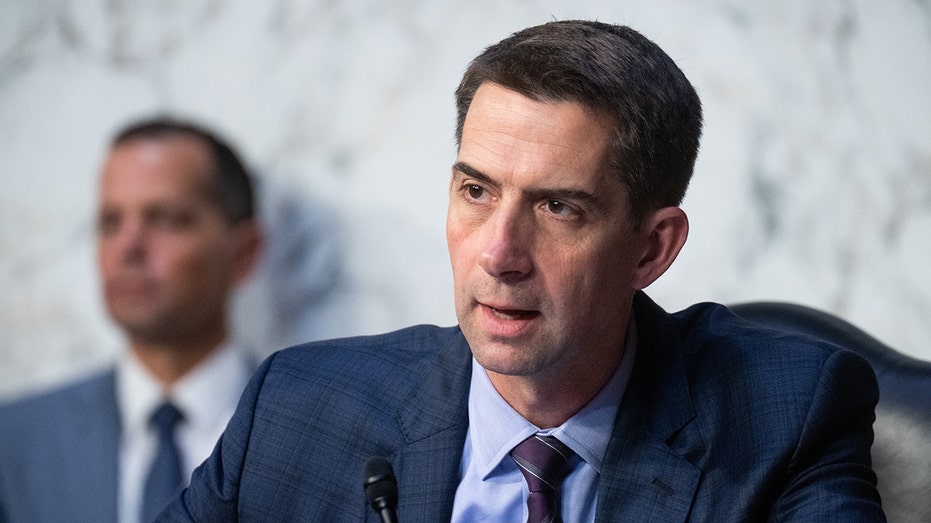
Sen. Tom Cotton has urged the Department of Justice to investigate what he characterizes as a covert Chinese campaign to obstruct American AI and data center development. The request follows a report from the Bitcoin Policy Institute alleging that Chinese state media, foreign-funded groups, and organizations funded by American tech entrepreneur Neville Roy Singham have worked to oppose U.S. data center and AI infrastructure projects. Cotton argues that foreign influence on U.S. policy decisions regarding critical technology infrastructure warrants federal investigation.
Senator Tom Cotton sent a letter to Acting Attorney General Todd Blanche requesting a federal investigation into alleged foreign efforts to shape U.S. public opinion and policy against data centers and AI development. The request follows a Bitcoin Policy Institute report claiming that Chinese state media, foreign-funded advocacy organizations, and nonprofits funded by tech entrepreneur Neville Roy Singham have spent years building opposition to U.S. data center construction. According to Fox News reporting, Singham, a self-described Marxist who now resides in Shanghai, has funneled approximately $278 million into nonprofits including CodePink, the People's Forum, and Tricontinental, which have participated in campaigns opposing AI development and large-scale data center projects. Cotton introduced the "DATA Act of 2026" to lift regulatory controls allowing energy-intensive industries to build separate electricity systems. Congressional inquiries are ongoing into whether these organizations should register as foreign agents under the Foreign Agents Registration Act.
What's missing
The article does not include responses or statements from Neville Roy Singham, the organizations mentioned (CodePink, People's Forum, etc.), or the Bitcoin Policy Institute regarding these allegations. Additionally, no independent verification of the specific claims in the Bitcoin Policy Institute report is provided, nor are there statements from the Justice Department or other federal agencies confirming whether such investigations exist or their scope.
What different sources said
- Fox NewsRight
Sen Tom Cotton urges DOJ to probe Chinese bid to 'kneecap' American AI
Related
Halfway Through 2026 Primary Season: Six Key Takeaways from Congressional Races
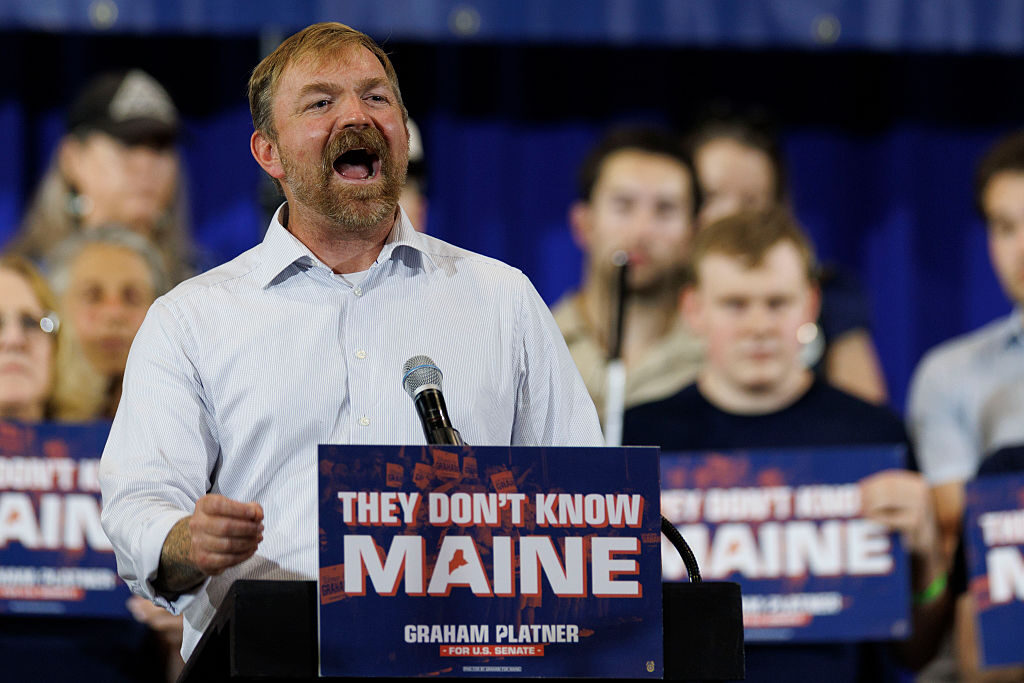
Four more states held primaries this week, bringing the total to 26 states that have completed regular congressional primaries in the 2026 midterm cycle. Key patterns emerging include front-runners not always winning, House members struggling to advance to statewide office, and President Trump's endorsement record remaining largely successful despite low approval ratings. These trends are shaping the competitive landscape for the general election.

Congress Struggles to Build Support for $9 Billion Rayburn House Office Building Renovation
The Architect of the Capitol is pushing for a major renovation of the Rayburn House Office Building, which could cost $9 billion and last until 2045, but lawmakers remain hesitant to commit to the project. The building, constructed in 1965, is experiencing serious deterioration including 16 major leaks in the past year alone and risks of catastrophic system failure. The challenge reflects a broader political difficulty: Congress has historically been reluctant to fund its own infrastructure, with legislative branch spending averaging just 0.15 percent of total budget authority since 1976.

Study Finds College Faculty Lean Significantly Left, Raising Questions About Campus Ideological Diversity
A study commissioned by the Foundation for Individual Rights and Expression found that college faculty donors have an average ideology score of -1.02, comparable to Senator Bernie Sanders's -1.14, indicating strong leftward lean among faculty. The research cross-referenced over 100,000 faculty members with campaign contribution data, and separate surveys found only 20% of faculty believed a conservative scholar would be welcome in their department. The findings raise concerns about ideological diversity in higher education and its potential influence on student political attitudes.