Security threats targeting football fans ahead of FIFA World Cup 2026

As FIFA World Cup 2026 gets underway across the US, Mexico, and Canada, cybersecurity researchers and law enforcement agencies are warning fans of a wide range of online scams. Fraudulent streaming sites, fake ticket platforms, malicious APK apps, and phishing domains have proliferated, with over 10,000 new World Cup-related domains registered since January 2026. The threats put millions of fans at risk of financial theft, malware infection, and personal data compromise.
Cybersecurity firms Arctic Wolf and CYFIRMA, along with India's Kerala Police, have issued warnings about a broad wave of cyber threats exploiting excitement around the FIFA World Cup 2026. Fake streaming websites and apps — some promoted under names like HZ TV, OPEN TV, and MAX TV — lure fans with promises of free match coverage before harvesting credentials, payment data, or gaining full device control via malicious permissions. Fraudulent Telegram channels have been identified selling tickets at prices ranging from $330 to $2,950, while a ticket-themed phishing campaign drops infostealer malware capable of extracting saved passwords, cookies, Wi-Fi credentials, and payment profiles. Researchers found that more than 10,000 new World Cup-related domains were registered since January 2026, with a spike of over 300 per day recorded as early as August–September 2025, many cloning official FIFA interfaces and using AI-generated multilingual phishing emails. Physical venues also pose risks, with rogue public Wi-Fi networks and QR code scams — including one targeting FIFA Philadelphia employees via a fake HR handbook — identified in the wild. Experts urge fans to use only official apps and verified streaming services, avoid unsolicited APK files, and report suspicious activity to cybercrime authorities.
What's missing
Neither source specifies what proportion of the 10,000-plus registered domains have been confirmed malicious versus merely speculative or parked, nor do they detail what enforcement or takedown actions FIFA, platform operators, or law enforcement are taking against identified fraudulent sites and channels.
How coverage differed
TechRadar framed the story broadly as a consumer and enterprise cybersecurity guide with detailed technical breakdowns, while The Hindu focused narrowly on a Kerala Police advisory directed at Indian fans, emphasizing mobile APK scams and local reporting channels. Both outlets were factual and neutral, but differed in geographic scope and audience.
What different sources said
Related

Samsung Galaxy S25 and S25 FE See Significant Price Cuts
Samsung's Galaxy S25 and Galaxy S25 FE smartphones are currently available at notably reduced prices, with the S25 FE dropping $201 (33%) to $449 on Woot for a limited time. The price reductions come amid a competitive smartphone market and ahead of anticipated future Samsung releases. The discounts make previously premium-priced devices more accessible to budget-conscious consumers.

Anthropic Disables Fable 5 and Mythos 5 AI Models Globally After US Government Export Control Order
Anthropic has suspended all public access to its two most advanced AI models, Fable 5 and Mythos 5, after the US Commerce Department issued an export control directive ordering the company to block foreign nationals from accessing them on national security grounds. The order came just three days after Fable 5's public launch and reportedly stems from government concerns about a potential jailbreak that could enable the models to assist with cyberattacks, though Anthropic says it received only verbal evidence of a narrow, non-universal vulnerability. The shutdown affects all customers globally — including enterprise users and Anthropic employees — and marks a significant escalation of US efforts to restrict foreign access to advanced AI models themselves, rather than just the chips that power them.
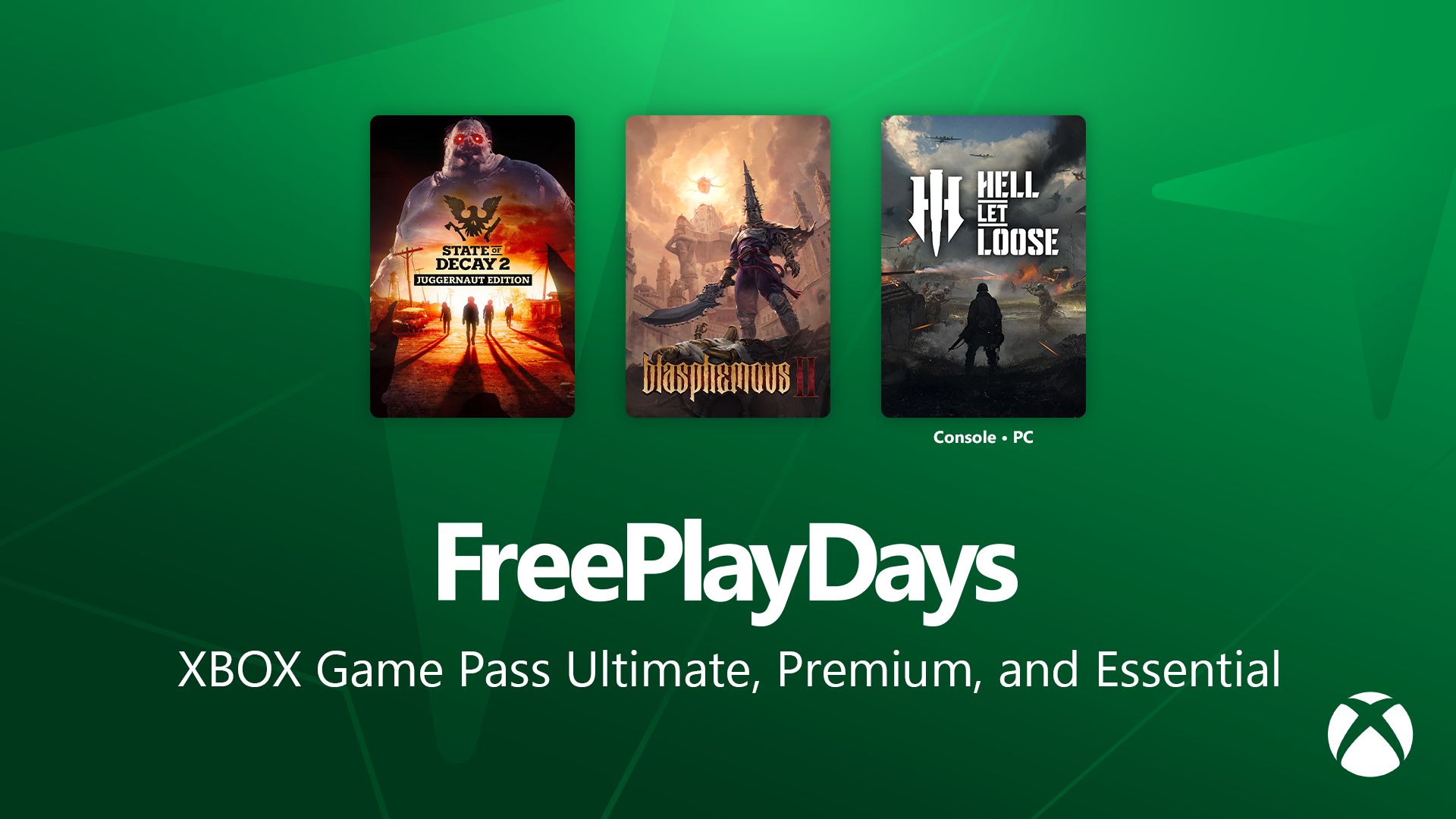
Xbox Free Play Days Offers Three Games Free to Play June 11–14
Microsoft's Xbox Free Play Days program is offering Hell Let Loose, State of Decay 2: Juggernaut Edition, and Blasphemous 2 at no cost from June 11 to June 14. Hell Let Loose requires an Xbox Game Pass Ultimate, Premium, or Essential membership, while State of Decay 2 and Blasphemous 2 (via a five-hour timed trial) are accessible to all Xbox console owners. Players who wish to keep any of the games can purchase them at a limited-time discount and retain any achievements earned during the free period.