Saudi Arabia Lifts 5-Year Ban on Lebanese Imports, Signaling Diplomatic Thaw

Saudi Arabia announced Wednesday it is ending a ban on Lebanese imports that has been in place since 2021, following an order by Crown Prince Mohammed bin Salman. The ban was originally imposed over drug-smuggling concerns and later expanded due to Lebanese political criticism of Saudi Arabia's Yemen campaign and Hezbollah's influence. The move signals a significant diplomatic realignment as Lebanon's new government distances itself from Hezbollah and seeks to rebuild Gulf ties amid a severe economic crisis.
Saudi Arabia's Crown Prince Mohammed bin Salman ordered the resumption of Lebanese exports to the kingdom on June 10, ending a five-year ban that had compounded Lebanon's already severe economic difficulties. The ban began in April 2021 when Saudi Arabia suspended fruit and vegetable imports, citing their use in drug smuggling — including a seizure of over five million Captagon pills hidden in pomegranate shipments — and was later extended to all Lebanese goods after then-Information Minister George Kordahi criticized Saudi Arabia's war in Yemen. Underlying the dispute was Saudi Arabia's broader rivalry with Iran and its displeasure with Hezbollah's dominant role in Lebanese politics. Saudi Arabia's Foreign Ministry attributed the reversal to 'positive steps taken by the Lebanese state,' including rebuilding state institutions and commitments from the Lebanese side, though it did not elaborate further. Lebanon's new government, which took office in early 2025 with President Joseph Aoun — a candidate backed by both Riyadh and Washington — has pledged to give the state a monopoly on weapons and disarm non-state actors including Hezbollah. Hezbollah has been significantly weakened by recent rounds of fighting with Israel, shifting the political landscape in Lebanon. Saudi Arabia was Lebanon's top agricultural export destination in 2019, accounting for 22.1 percent of Lebanese agricultural exports, underscoring the economic significance of the ban's removal.
What's missing
The sources do not specify a timeline for when Lebanese exports will physically resume or what regulatory or customs procedures will govern the resumption. It is also unclear whether the lifting of the ban applies equally to all product categories or whether certain goods remain restricted.
How coverage differed
The Washington Times and AP framed the story primarily around the diplomatic and economic significance of the ban's end, emphasizing Lebanon's reform commitments. The Straits Times provided additional geopolitical context, noting Hezbollah's recent military weakening by Israel and Lebanon's calls for Iran to stop interfering, situating the trade decision within the broader Middle East conflict dynamic.
What different sources said
- The Straits TimesCenter
Saudi Arabia gives go-ahead to Lebanon exports
- AP NewsCenter
Saudi Arabia lifts 5-year ban on Lebanese imports, marking a thaw in Gulf-Lebanon ties
- Washington TimesRight
Saudi Arabia lifts 5-year ban on Lebanese imports, marking a thaw in Gulf-Lebanon ties
Related
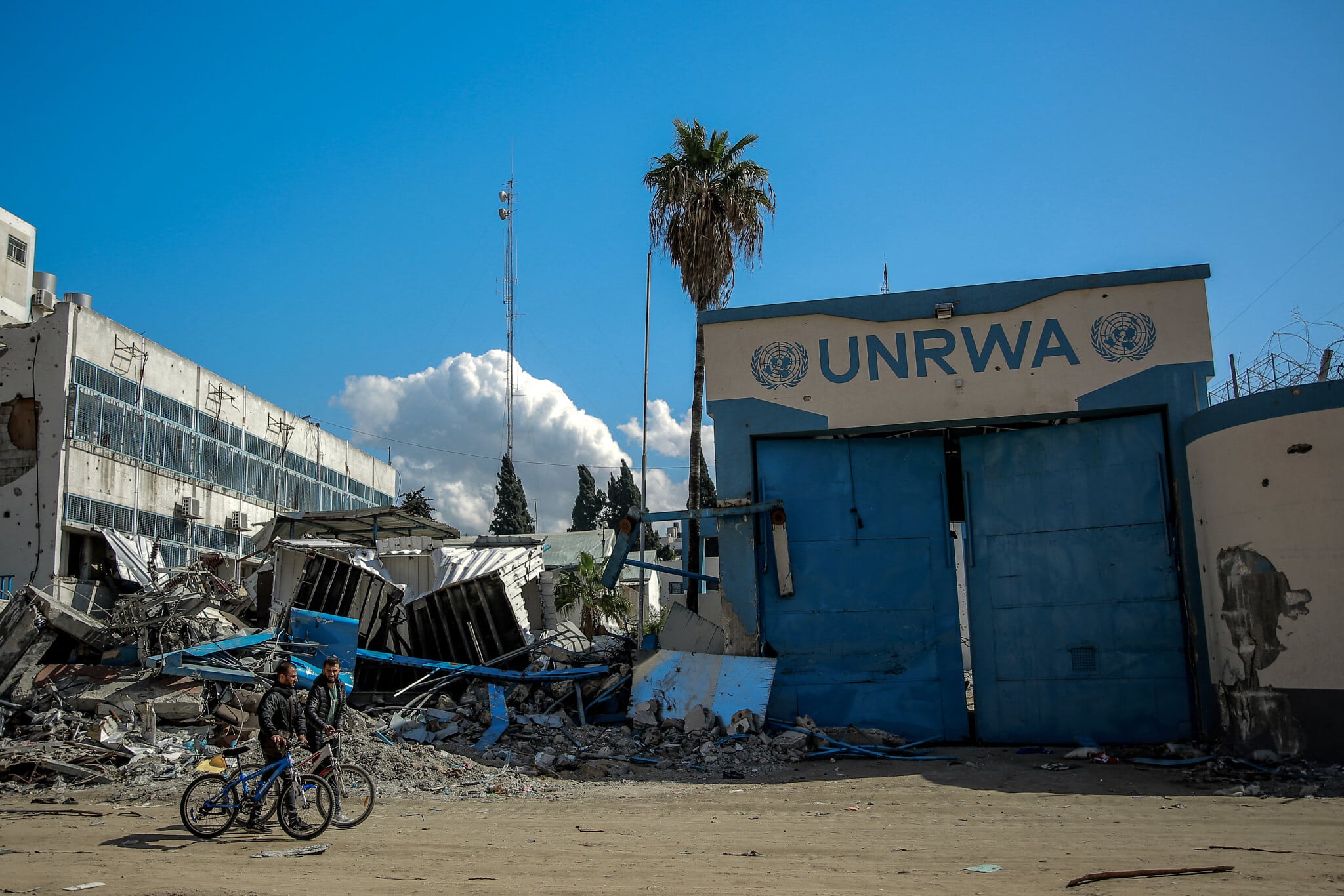
UNRWA Fires 70 Gaza Staff Members, Denies Terminations Validate Hamas Allegations
The UN agency for Palestinian refugees, UNRWA, has dismissed 70 employees in Gaza with immediate effect, citing safety and security risks. The move follows a USAID investigation that referred over 100 UNRWA staff for suspension or dismissal, and longstanding Israeli allegations that significant portions of the agency's workforce have ties to Hamas. The firings mark a significant but contested step in addressing accusations that have dogged the agency since the October 7, 2023 attacks, while UNRWA insists the dismissals are not an admission of guilt.
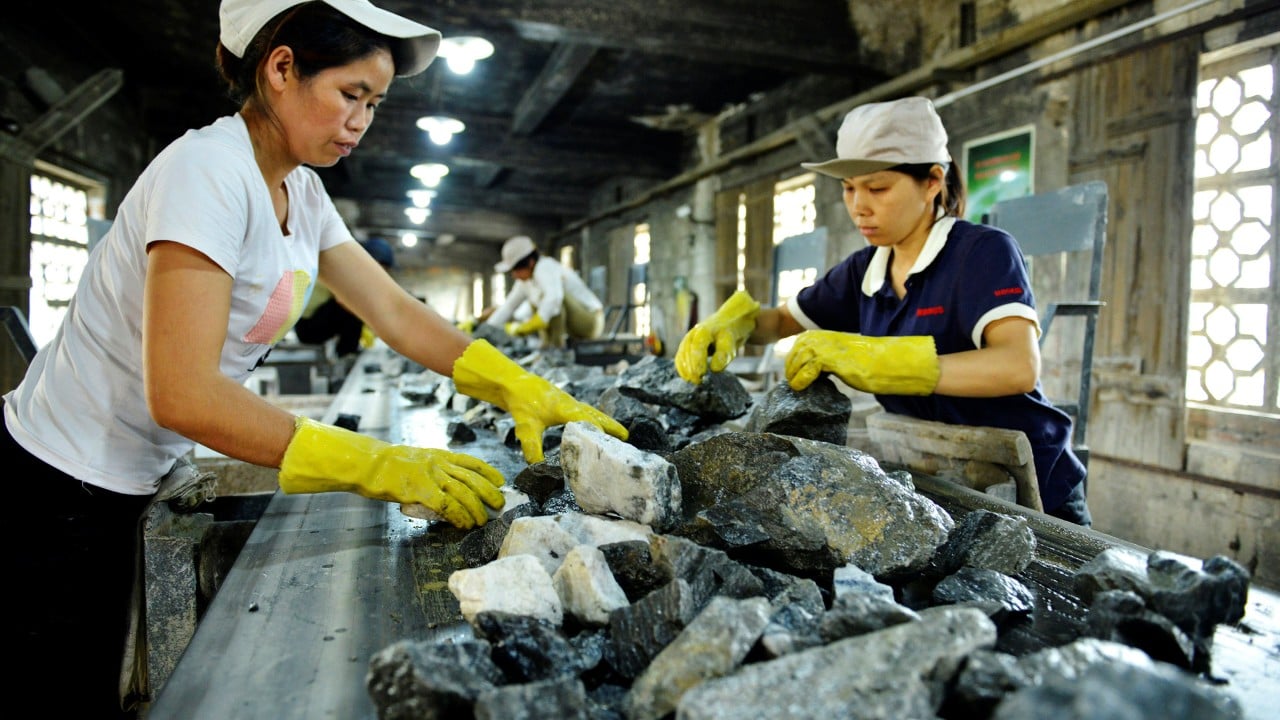
China's Tungsten Export Controls Ripple Through Global Supply Chains, From AI Chips to Weapons
China's 2025 export restrictions on tungsten have triggered price surges, potential production halts at Japanese semiconductor gas manufacturers, and a push to revive domestic mining in the United States. Tungsten, of which China produces over 78 percent of global supply, is critical to both advanced AI chipmaking and military munitions. The disruptions are exposing deep vulnerabilities in Western and Asian supply chains for a material with few short-term substitutes.

Rain Delays Start of India vs Afghanistan 1st ODI in Dharamshala
Persistent drizzle has delayed the toss and cast doubt over the first ODI between India and Afghanistan at the Himachal Pradesh Cricket Association Stadium in Dharamshala. The meteorological department issued an orange alert for June 12 warning of thunderstorms and hail across parts of Himachal Pradesh, with a 60–70% chance of showers forecast throughout the day. The delay threatens what would have been a historically significant match — the first-ever bilateral ODI series between the two nations.