San Francisco Immigration Court Closes, Affecting Over 100,000 Pending Cases

The Justice Department has shut down the main immigration courthouse in San Francisco, relocating over 100,000 pending cases to a court in Concord, California, about an hour away. The San Francisco court was one of the nation's busiest immigration courts and had the highest asylum approval rate in the country, granting asylum in about 70% of cases compared to the national average of 50%. The closure comes as the Trump administration pursues stricter immigration policies, raising concerns among advocates and attorneys that the move is strategically designed to discourage asylum seekers.
The Justice Department announced it would not renew the lease on the San Francisco immigration courthouse at 100 Montgomery Street, which housed 21 courtrooms and served a broad jurisdiction covering California's Central Valley to central Oregon. The closure, accelerated from the end of the year to an earlier date, follows the termination and resignation of nearly all judges at that location. Approximately 100,000 cases will be transferred to the Concord Immigration Court across the San Francisco Bay, while about 17,000 cases will remain at a smaller San Francisco location with only two operating courtrooms. The DOJ cited cost savings as the official reason for the closure and stated that immigration judges can hear cases anywhere in the country to manage caseloads. However, immigration attorneys and legal scholars argue the timing and location of the closure appear strategically designed to create barriers for asylum seekers, particularly given the San Francisco court's historically high approval rate of approximately 70% for asylum applications—significantly above the national average of 50%.
What different sources said
- NPR NewsLeft
San Francisco immigration court shuts down, striking at heart of historic advocacy
Related

Halfway Through 2026 Primary Season: Six Key Takeaways from Congressional Races
Four more states held primaries this week, bringing the total to 26 states that have completed regular congressional primaries in the 2026 midterm cycle. Key patterns emerging include front-runners not always winning, House members struggling to advance to statewide office, and President Trump's endorsement record remaining largely successful despite low approval ratings. These trends are shaping the competitive landscape for the general election.
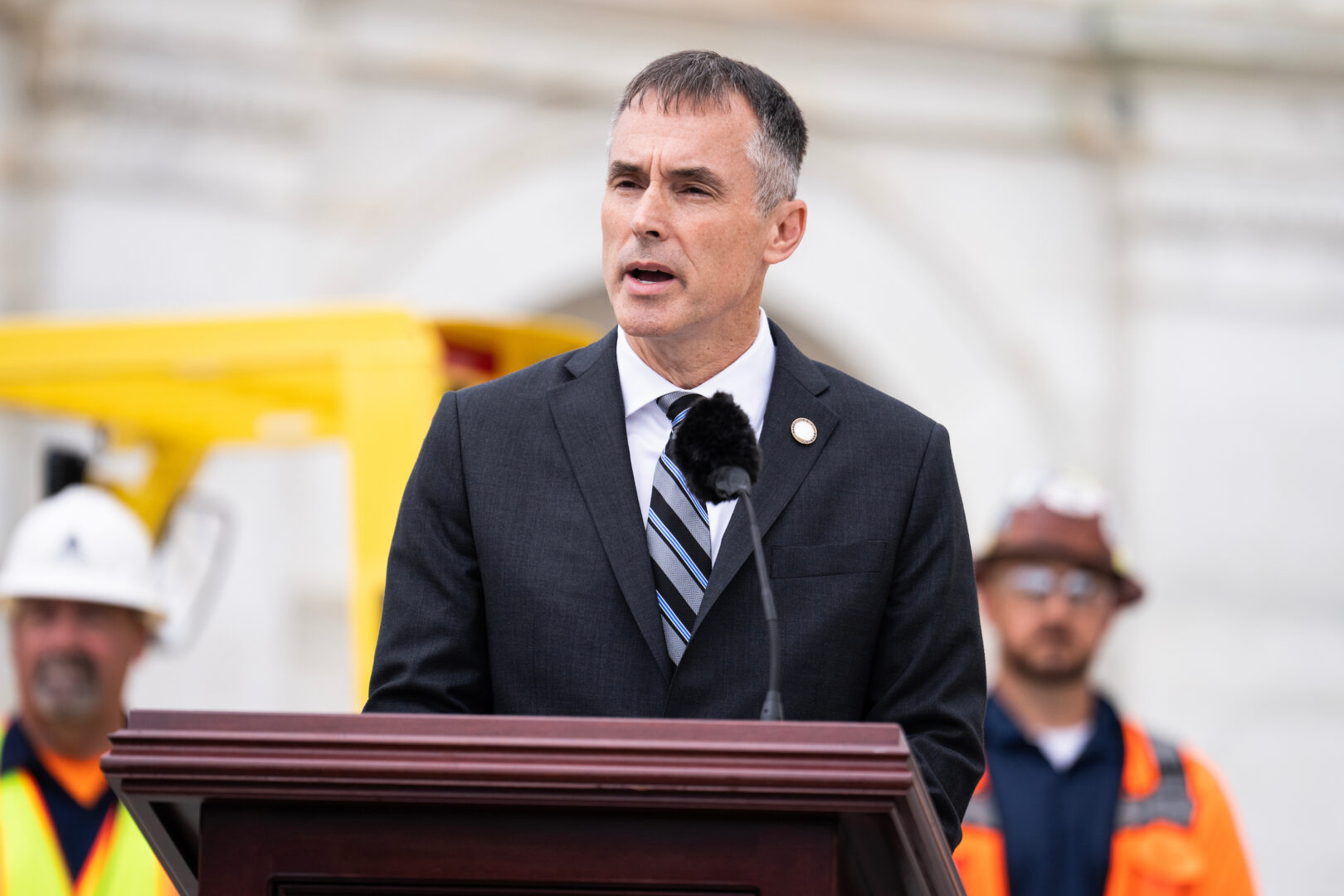
Congress Struggles to Build Support for $9 Billion Rayburn House Office Building Renovation
The Architect of the Capitol is pushing for a major renovation of the Rayburn House Office Building, which could cost $9 billion and last until 2045, but lawmakers remain hesitant to commit to the project. The building, constructed in 1965, is experiencing serious deterioration including 16 major leaks in the past year alone and risks of catastrophic system failure. The challenge reflects a broader political difficulty: Congress has historically been reluctant to fund its own infrastructure, with legislative branch spending averaging just 0.15 percent of total budget authority since 1976.

Study Finds College Faculty Lean Significantly Left, Raising Questions About Campus Ideological Diversity
A study commissioned by the Foundation for Individual Rights and Expression found that college faculty donors have an average ideology score of -1.02, comparable to Senator Bernie Sanders's -1.14, indicating strong leftward lean among faculty. The research cross-referenced over 100,000 faculty members with campaign contribution data, and separate surveys found only 20% of faculty believed a conservative scholar would be welcome in their department. The findings raise concerns about ideological diversity in higher education and its potential influence on student political attitudes.