Russians Resort to Dual Phones and VPNs to Navigate Kremlin's Tightening Internet Controls
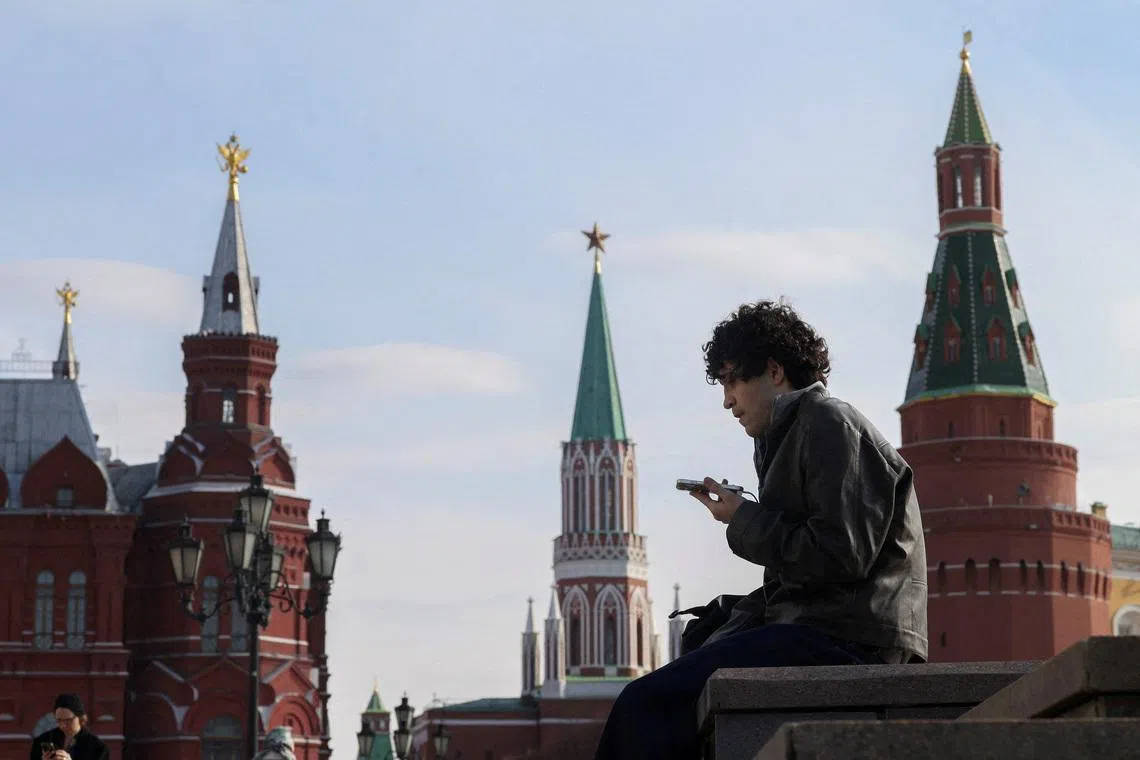
Russians are increasingly using VPNs, multiple phones, and workarounds to access blocked foreign apps like WhatsApp and Telegram as the Kremlin intensifies internet restrictions. The crackdown, the largest under Putin, has disrupted banking, transport, and e-commerce, while pushing citizens toward state-backed alternatives like the app MAX. The digital squeeze has contributed to Putin's lowest approval ratings since the Ukraine war began, raising political concerns ahead of a September parliamentary election.
Russia's most sweeping internet crackdown under President Vladimir Putin has forced ordinary citizens into elaborate digital routines, including toggling VPNs on and off, carrying two phones, and isolating state-controlled apps like MAX on separate devices over surveillance fears. VPN downloads surged dramatically, with 9.2 million downloads of the top five services from Google Play in March alone — 14 times the figure from the same month last year. The share of Russians acknowledging VPN use rose from 23% in 2022 to 36% in 2025, according to the Levada Center. The disruptions have hit commerce hard, with Wildberries, Russia's largest online retailer, seeing a 10% drop in traffic after VPN-enabled users were blocked from its site. Even loyal government officials and Putin's own special envoy Kirill Dmitriev use VPNs, and some officials reportedly remove microphones and cameras from devices running MAX. Facing political blowback ahead of September elections — and with Putin's approval rating falling to 65.6% in April, its lowest since the Ukraine invasion — the Kremlin has softened its rhetoric, postponed a planned data surcharge targeting VPN users, and asked the FSB to protect critical digital services. Analysts expect tighter controls to resume after the election.
What's missing
The articles do not address the technical effectiveness of Russia's deep packet inspection infrastructure (SORM) in actually identifying VPN users, nor do they detail what legal consequences, if any, individuals face for circumventing restrictions — context that would clarify the real risk level for ordinary Russians.
How coverage differed
All three outlets published near-identical Reuters-sourced text with no meaningful differences in framing or emphasis; The Independent's headline slightly foregrounds individual resistance ('one phone at a time'), but the substantive reporting is uniform across sources.
What different sources said
- NDTVCenter
Two Phones And An App: How Russians Skirt Putin's Digital Iron Curtain
- The IndependentLeft
Russians are finding ways to skirt Putin’s digital iron curtain – one phone at a time
- The Straits TimesCenter
Two phones and an app: How Russians skirt Putin's digital iron curtain
Related
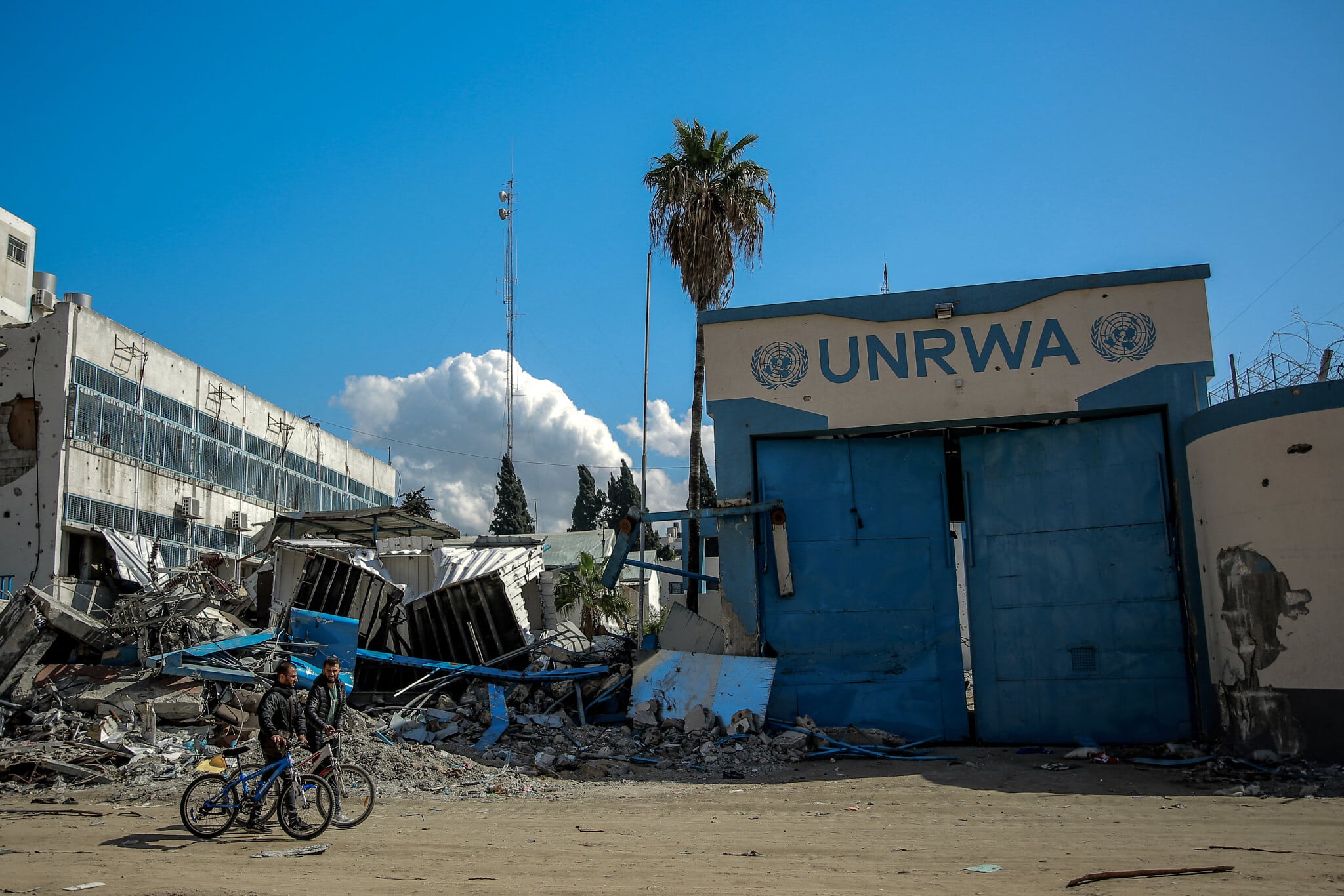
UNRWA Fires 70 Gaza Staff Members, Denies Terminations Validate Hamas Allegations
The UN agency for Palestinian refugees, UNRWA, has dismissed 70 employees in Gaza with immediate effect, citing safety and security risks. The move follows a USAID investigation that referred over 100 UNRWA staff for suspension or dismissal, and longstanding Israeli allegations that significant portions of the agency's workforce have ties to Hamas. The firings mark a significant but contested step in addressing accusations that have dogged the agency since the October 7, 2023 attacks, while UNRWA insists the dismissals are not an admission of guilt.
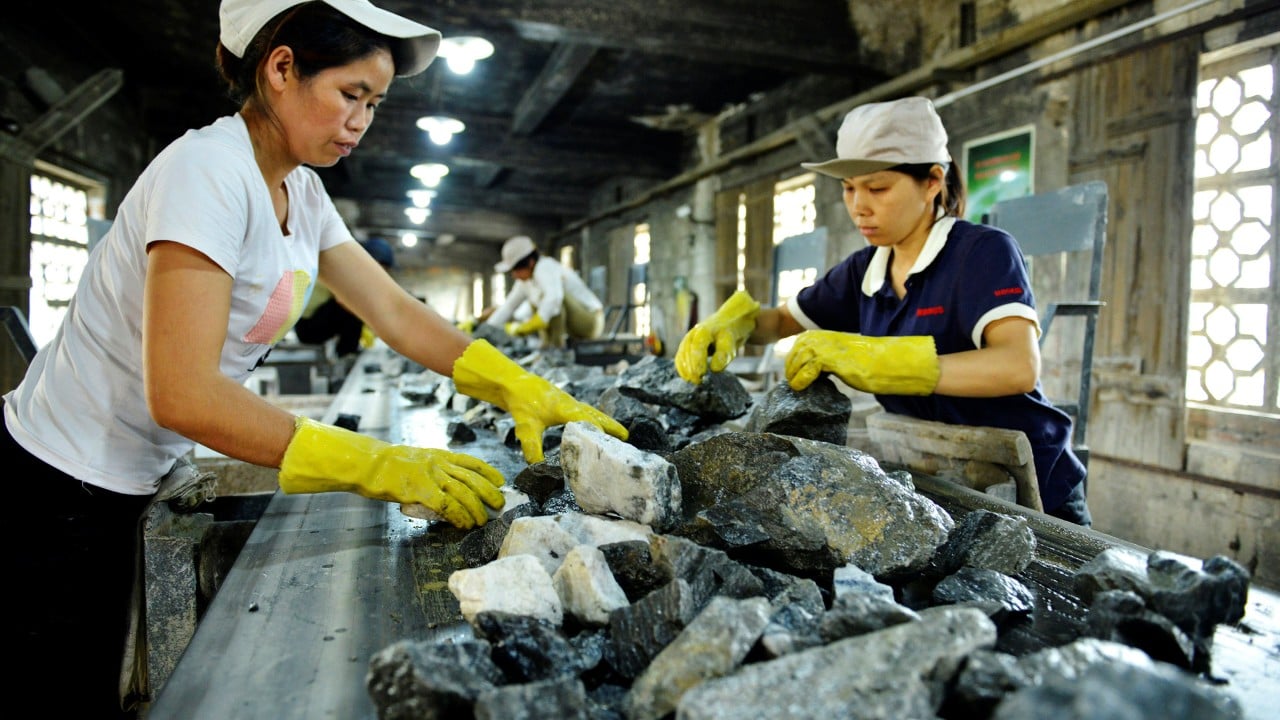
China's Tungsten Export Controls Ripple Through Global Supply Chains, From AI Chips to Weapons
China's 2025 export restrictions on tungsten have triggered price surges, potential production halts at Japanese semiconductor gas manufacturers, and a push to revive domestic mining in the United States. Tungsten, of which China produces over 78 percent of global supply, is critical to both advanced AI chipmaking and military munitions. The disruptions are exposing deep vulnerabilities in Western and Asian supply chains for a material with few short-term substitutes.

Rain Delays Start of India vs Afghanistan 1st ODI in Dharamshala
Persistent drizzle has delayed the toss and cast doubt over the first ODI between India and Afghanistan at the Himachal Pradesh Cricket Association Stadium in Dharamshala. The meteorological department issued an orange alert for June 12 warning of thunderstorms and hail across parts of Himachal Pradesh, with a 60–70% chance of showers forecast throughout the day. The delay threatens what would have been a historically significant match — the first-ever bilateral ODI series between the two nations.