Russia Suspends Jet Fuel Exports Amid Global Supply Pressures

Russia has suspended jet fuel exports due to domestic shortfalls caused by Ukrainian attacks on Russian refineries. The move compounds existing supply constraints from the Iran conflict, which has disrupted Middle Eastern oil and gas exports through the Strait of Hormuz. The suspension is pressuring global airline operations and stock valuations, with carriers already facing elevated fuel costs.
Russia has suspended jet fuel exports, citing domestic supply shortages resulting from Ukrainian attacks on Russian refineries. This decision adds to existing global jet fuel supply constraints stemming from the Iran conflict, which has effectively restricted exports through the Strait of Hormuz. While industry warnings about severe shortages have not fully materialized, the combined effect of reduced Russian and Middle Eastern supplies is creating measurable pressure on the airline sector. Airline stocks have declined following reports of unexpectedly high fuel costs, and some carriers like easyJet have seen share prices affected by Middle East-related supply concerns. Investment groups are reportedly considering acquisitions of affected carriers, signaling market stress in the sector.
What's missing
The article does not specify the duration of Russia's suspension, the volume of jet fuel typically exported by Russia, or concrete projections for how long global supplies will remain constrained. Additionally, no specific timeline or details are provided regarding the Ukrainian attacks on Russian refineries or their scale.
What different sources said
- SemaforCenter
Russia suspends jet fuel exports
Related

U.S. Markets Stage Rebounds Following Chip Stock Selloff
U.S. markets have rebounded twice following a dramatic Friday selloff in chip stocks, with gains at Monday's open and Tuesday afternoon. The Nasdaq 100 remains down 4.25% for the month despite the recoveries, and volatility has increased sharply. The pattern reflects the market's traditional 'buy the dip' behavior as investors resist giving up recent gains.
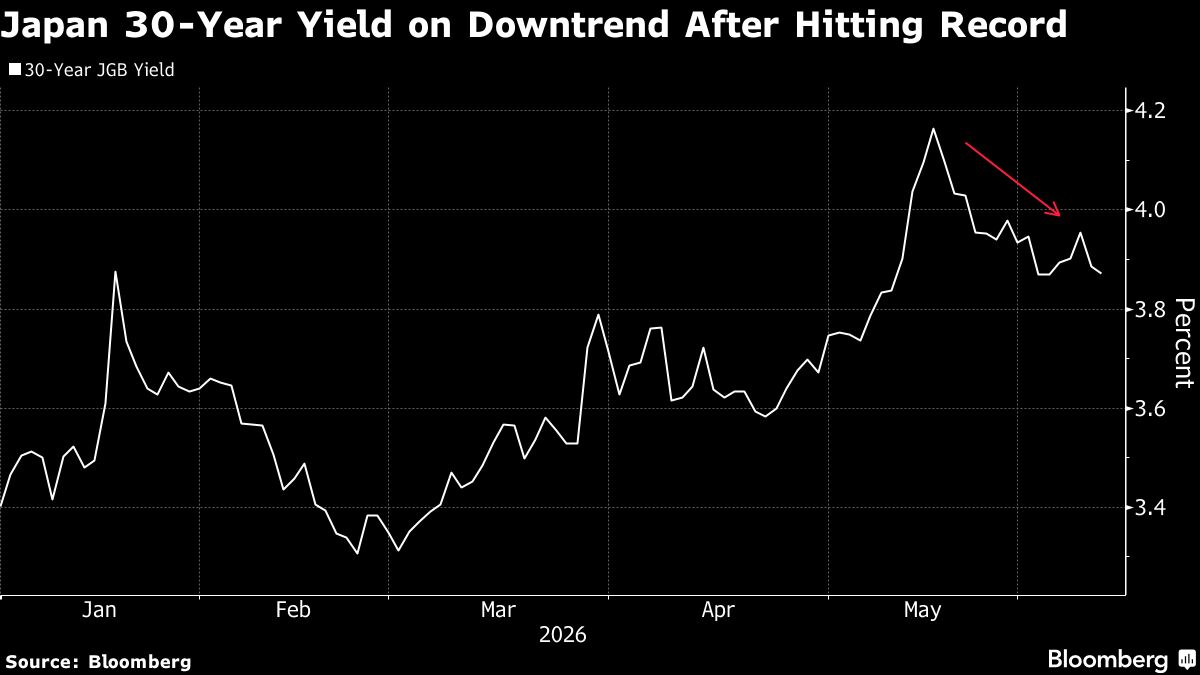
Japan's 30-Year Bond Auction Sees Weakest Demand in Over a Year
Japan's 30-year government bond auction on June 10, 2026 attracted the weakest demand since June 2025, with a bid-to-cover ratio of 2.94 compared to the previous 3.49. The decline reflects investor concerns over inflation and fiscal policy, as well as falling yields reducing appetite for the bonds. Weak bond demand can signal investor anxiety about Japan's economic outlook and fiscal sustainability.
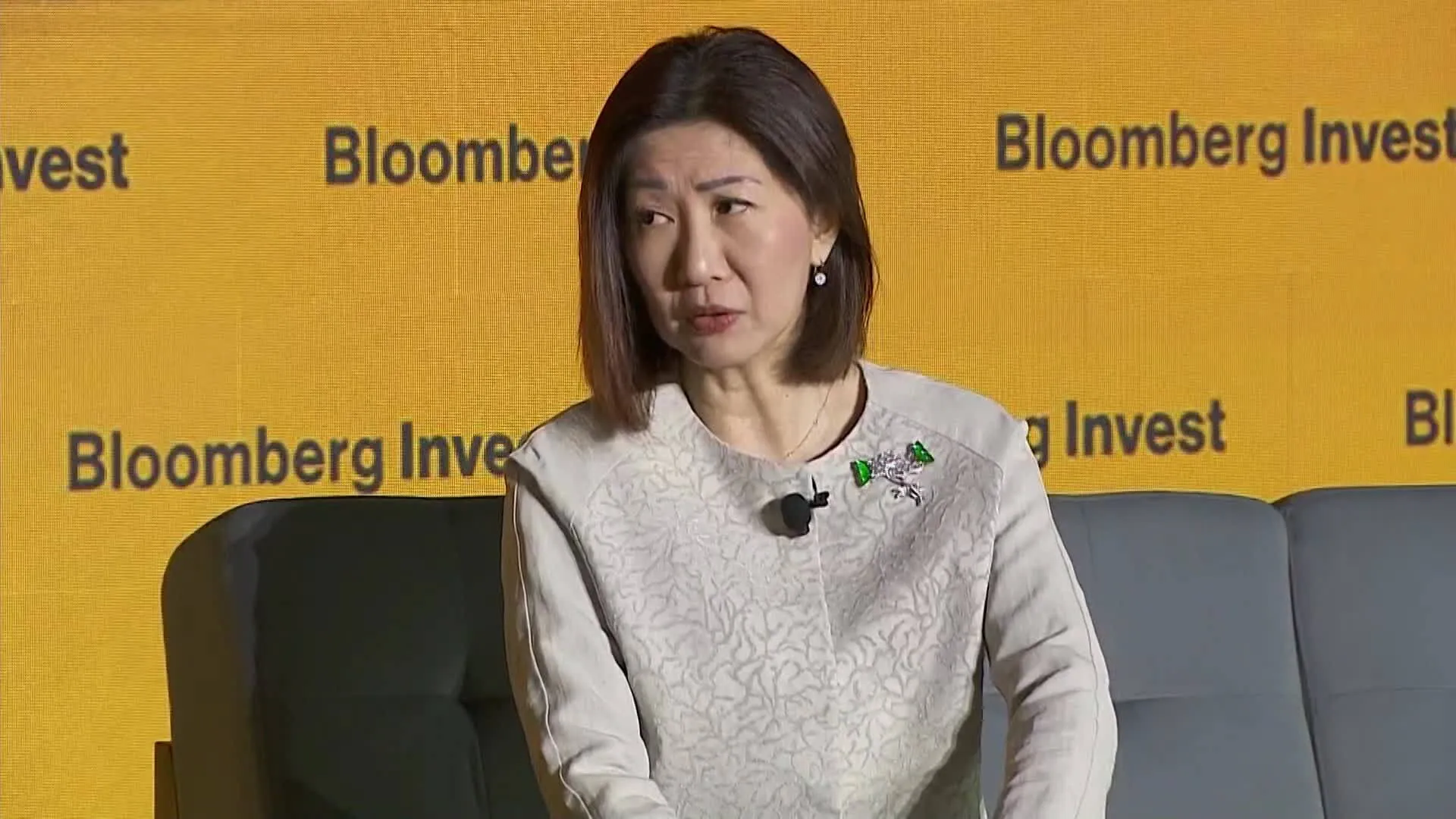
HKEx CEO Bonnie Chan Calls Potential SpaceX Listing an 'Exciting Deal'
Hong Kong Exchanges and Clearing (HKEx) CEO Bonnie Chan expressed enthusiasm about a potential SpaceX listing, describing it as an exciting opportunity. Chan highlighted that Chinese supply chains have broad coverage relevant to such a deal. The statement suggests HKEx's interest in attracting major space industry companies to its exchange.