Researchers Map Brain Networks Associated with Diffuse Midline Glioma Survival in Children
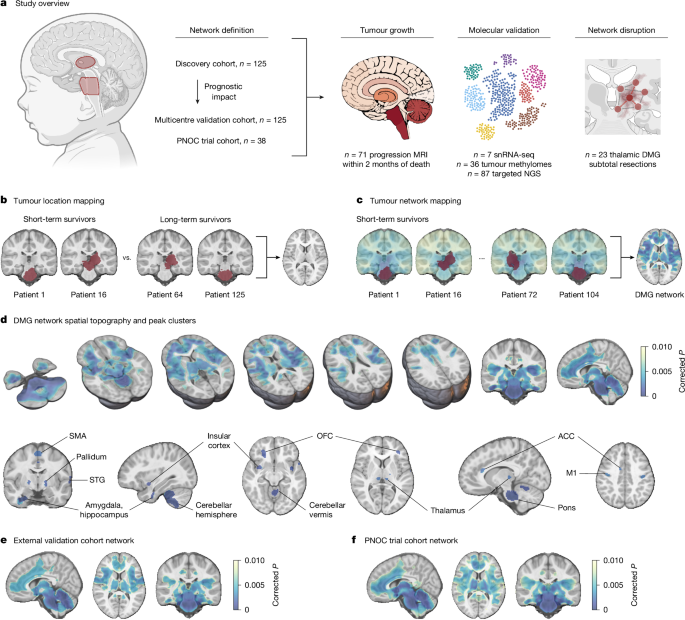
Scientists have identified specific brain network patterns associated with survival outcomes in children with diffuse midline gliomas (DMGs), deadly pediatric brain tumors that have resisted conventional treatments. The study used patient clinical data and human brain connectivity maps to define how these tumors exploit neural circuits and spread through the brain. This research could help explain why these tumors are so aggressive and potentially guide new therapeutic approaches targeting tumor-supporting neural networks.
Diffuse midline gliomas, including diffuse intrinsic pontine gliomas (DIPG), are the leading cause of solid-tumor-related death in children despite decades of clinical trials. A major challenge is that these tumors extensively infiltrate healthy brain tissue and spread to distant brain regions in patterns not fully explained by current tumor evolution models. Recent research has shown that gliomas communicate with healthy neural circuits through chemical signaling and functional synapses, and that neuronal activity may drive tumor progression. This study analyzed 125 children with primary pontine or thalamic DMGs treated at Great Ormond Street Hospital, mapping tumor locations on brain MRI to a pediatric brain template and comparing them between patients with different survival outcomes. By integrating patient clinical data with human pediatric connectomic (brain connectivity) data, the researchers identified the spatial topography of brain network connections associated with short-term survival and delineated circuit-specific trajectories of tumor growth.
What's missing
The article excerpt does not provide the study's key findings regarding which specific brain networks were associated with survival outcomes, the statistical significance of the results, or potential therapeutic implications of targeting these identified circuits. Additionally, the validation cohort results and specific recommendations for clinical application are not included in the provided text.
What different sources said
- Nature NewsCenter
A prognostic human brain network for diffuse midline glioma
Related
Sydney Psychiatrist Retains Medical License After Sexual Assault Conviction
Gopi Ilawala, a Sydney psychiatrist convicted of sexually assaulting an intoxicated colleague in 2022, has been allowed to continue practicing medicine despite the state health regulator seeking to have his registration cancelled. The New South Wales Civil and Administrative Tribunal reprimanded him and imposed conditions rather than striking him off, citing his remorse, lack of prior convictions, and support from two senior psychiatrists. The decision raises questions about professional accountability and public protection in medical regulation.

Australia's TGA to crack down on illegal peptides; government allocates $100m for arthritis research
Australia's Therapeutic Goods Administration has announced a crackdown on illegal peptides due to a surge in imports and online advertising, designating them a priority focus area. The federal government has simultaneously committed $100 million to medical research into arthritis prevention, diagnosis, and treatment. These developments reflect growing regulatory concerns about unregulated drugs and increased investment in chronic disease research.

GLP-1 Drugs Like Ozempic May Help ADHD Symptoms, According to Patient Reports and Clinical Observations
Social media users and some patients are reporting that GLP-1 receptor agonist drugs like Ozempic appear to improve ADHD symptoms, including increased focus, reduced procrastination, and better impulse control. GLP-1s were originally developed to treat Type 2 diabetes but are being studied for various other conditions. While anecdotal reports are growing, no formal clinical trials are currently testing these drugs specifically for ADHD, and the mechanism behind any potential benefit remains unclear.