Republicans Advance Anti-Fraud Legislation Ahead of Midterm Elections

House Republicans have introduced and passed several bills aimed at combating fraud in federal government programs, including measures targeting Medicare, student aid, and child care assistance. The legislative push comes as the party seeks to capitalize on voter frustration over government waste and cost-of-living concerns ahead of midterm elections. Republicans argue the effort addresses both actual fraud cases and broader public dissatisfaction with government competence.
House Republicans have rolled out multiple pieces of anti-fraud legislation, including the Fraud Prevention and Accountability Act, the Stopping Fraudulent Payments Act, and the No Aid for Ghost Students Act, with the Stop Child Care Scams Act passing 217-207 with support from four Democrats. The legislative effort is framed as a response to documented fraud cases, particularly in Minnesota's Medicaid programs where some individuals registered as medical providers and billed for services not rendered, as well as broader voter concerns about government waste and inefficiency. House Majority Whip Tom Emmer characterized the effort as addressing public frustration with both fraud perpetrators and government oversight failures. The Trump administration has separately announced its own anti-fraud initiatives. Republicans are positioning anti-fraud efforts as a contrast with Democratic approaches, betting that the issue will resonate with voters concerned about government competence and cost of living.
What's missing
The article does not include Democratic responses to or critiques of the proposed legislation, nor does it provide details on the specific provisions or estimated fiscal impact of the bills beyond brief descriptions.
What different sources said
- Washington ExaminerRight
Republicans pivot to combating fraud as midterm elections approach
Related
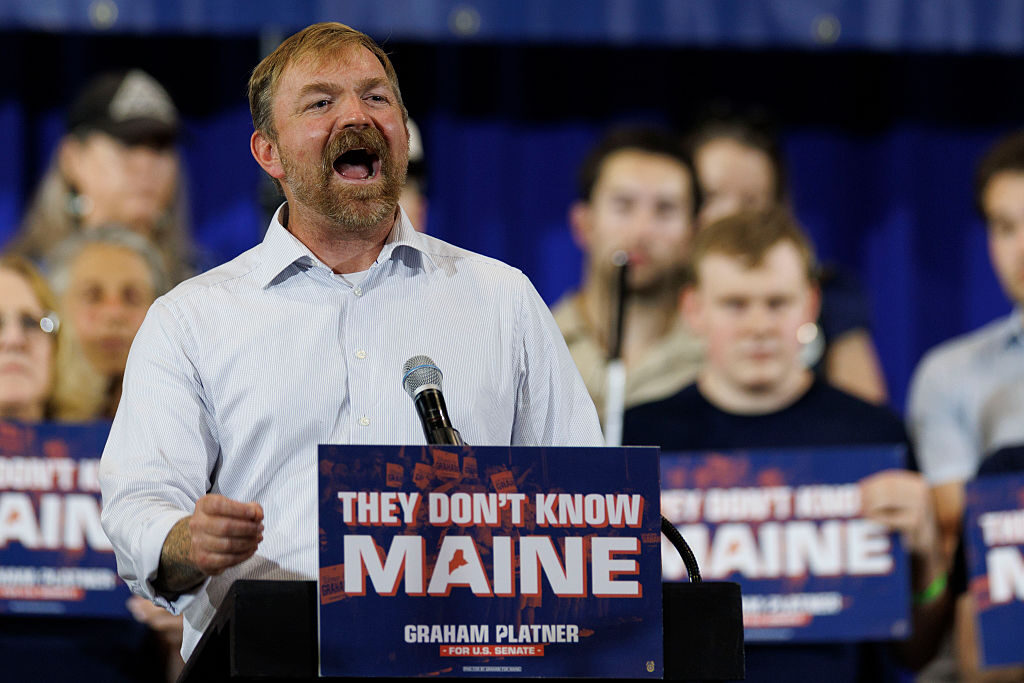
Halfway Through 2026 Primary Season: Six Key Takeaways from Congressional Races
Four more states held primaries this week, bringing the total to 26 states that have completed regular congressional primaries in the 2026 midterm cycle. Key patterns emerging include front-runners not always winning, House members struggling to advance to statewide office, and President Trump's endorsement record remaining largely successful despite low approval ratings. These trends are shaping the competitive landscape for the general election.
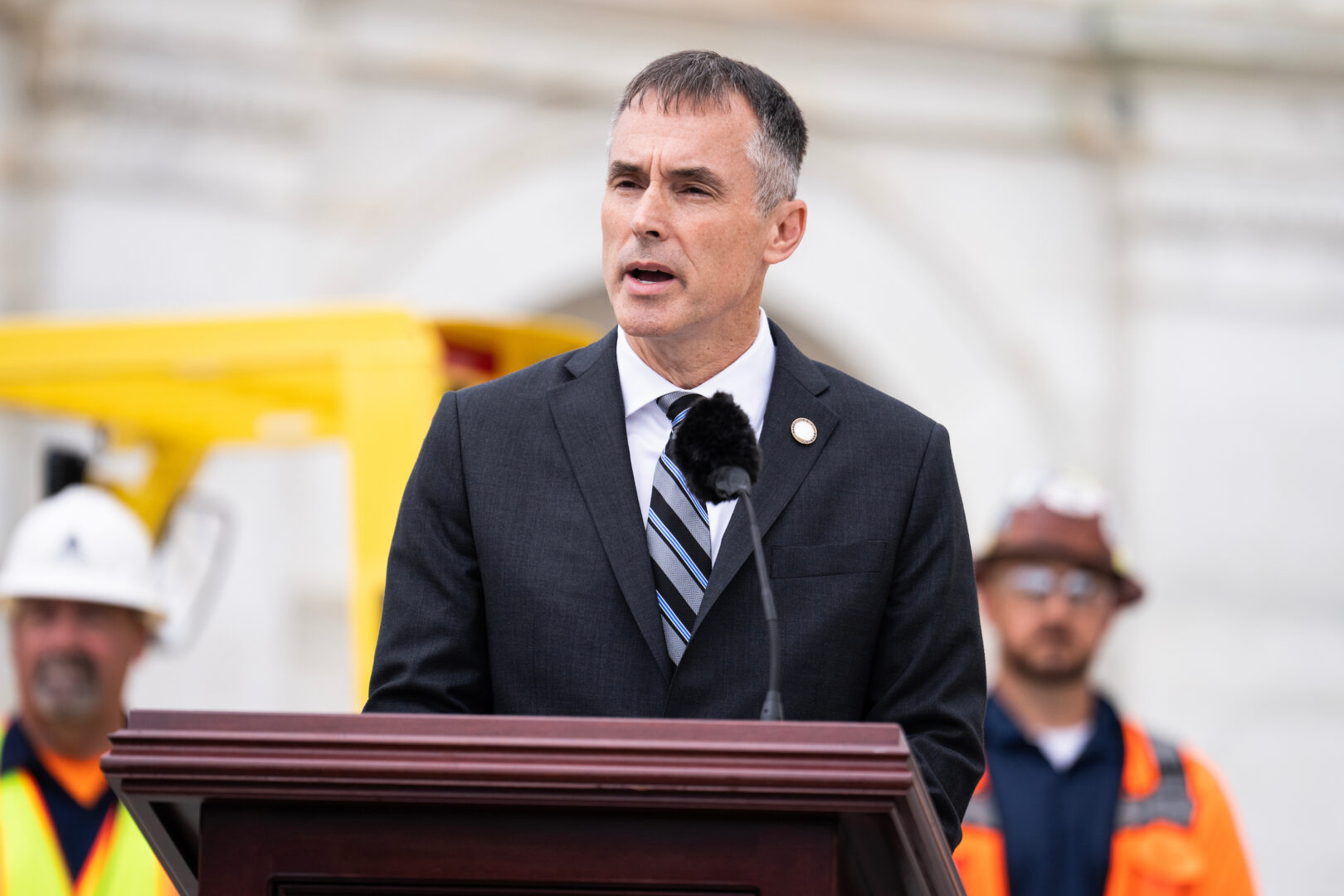
Congress Struggles to Build Support for $9 Billion Rayburn House Office Building Renovation
The Architect of the Capitol is pushing for a major renovation of the Rayburn House Office Building, which could cost $9 billion and last until 2045, but lawmakers remain hesitant to commit to the project. The building, constructed in 1965, is experiencing serious deterioration including 16 major leaks in the past year alone and risks of catastrophic system failure. The challenge reflects a broader political difficulty: Congress has historically been reluctant to fund its own infrastructure, with legislative branch spending averaging just 0.15 percent of total budget authority since 1976.

Study Finds College Faculty Lean Significantly Left, Raising Questions About Campus Ideological Diversity
A study commissioned by the Foundation for Individual Rights and Expression found that college faculty donors have an average ideology score of -1.02, comparable to Senator Bernie Sanders's -1.14, indicating strong leftward lean among faculty. The research cross-referenced over 100,000 faculty members with campaign contribution data, and separate surveys found only 20% of faculty believed a conservative scholar would be welcome in their department. The findings raise concerns about ideological diversity in higher education and its potential influence on student political attitudes.