Republican Investigation Into Climate Law Education Group Amid Broader Dispute Over Judicial Influence

Republican lawmakers are investigating the Environmental Law Institute's Climate Judiciary Project, claiming it improperly influences federal judges in climate litigation cases against fossil fuel companies. The ELI counters that it provides evidence-based education, while law firms defending climate cases argue that fossil fuel-backed organizations are the ones attempting to sway judges through seminars and funding. The outcome could significantly affect how judges rule in climate accountability lawsuits seeking billions in damages from oil companies.
A dispute has emerged over judicial influence in climate litigation, with Republican-led congressional committees investigating the Environmental Law Institute (ELI) and its Climate Judiciary Project for allegedly conducting improper attempts to influence federal judges. The ELI states its seminars provide evidence-based education on climate science and law, but House Judiciary Committee leaders claim the organization has overstepped. Law firms filing climate deception cases on behalf of states and municipalities counter that fossil fuel-backed organizations—particularly the Law and Economics Center at George Mason University—are the actual sources of judicial influence, citing their expense-paid seminars for federal judges and significant funding from oil companies. The investigation has expanded to include law firms like Sher Edling, which has filed over two dozen climate lawsuits. The stakes are substantial: how judges perceive the legitimacy and science behind climate cases could determine outcomes in litigation seeking billions in damages from major fossil fuel defendants.
What's missing
The article does not provide specific details on what evidence the House Judiciary Committee has presented to support its claims of improper influence by ELI, nor does it include statements from the Republican lawmakers leading the investigation or from George Mason University's Law and Economics Center responding to the allegations.
What different sources said
- The Guardian USLeft
The rightwing campaign to control how US judges view the climate crisis
Related
Halfway Through 2026 Primary Season: Six Key Takeaways from Congressional Races
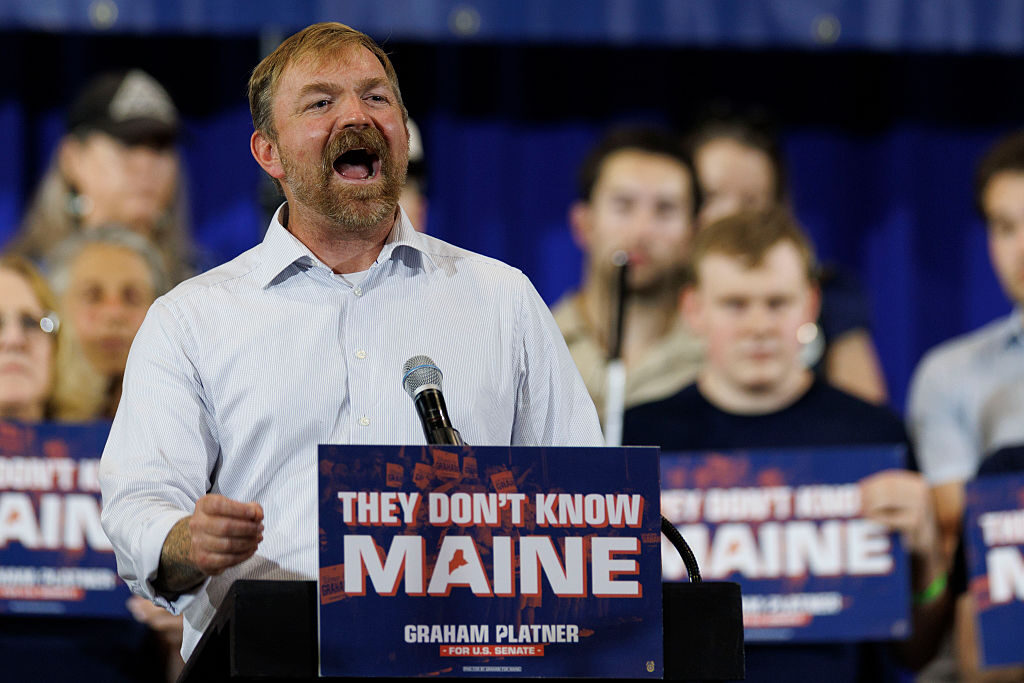
Four more states held primaries this week, bringing the total to 26 states that have completed regular congressional primaries in the 2026 midterm cycle. Key patterns emerging include front-runners not always winning, House members struggling to advance to statewide office, and President Trump's endorsement record remaining largely successful despite low approval ratings. These trends are shaping the competitive landscape for the general election.
Congress Struggles to Build Support for $9 Billion Rayburn House Office Building Renovation
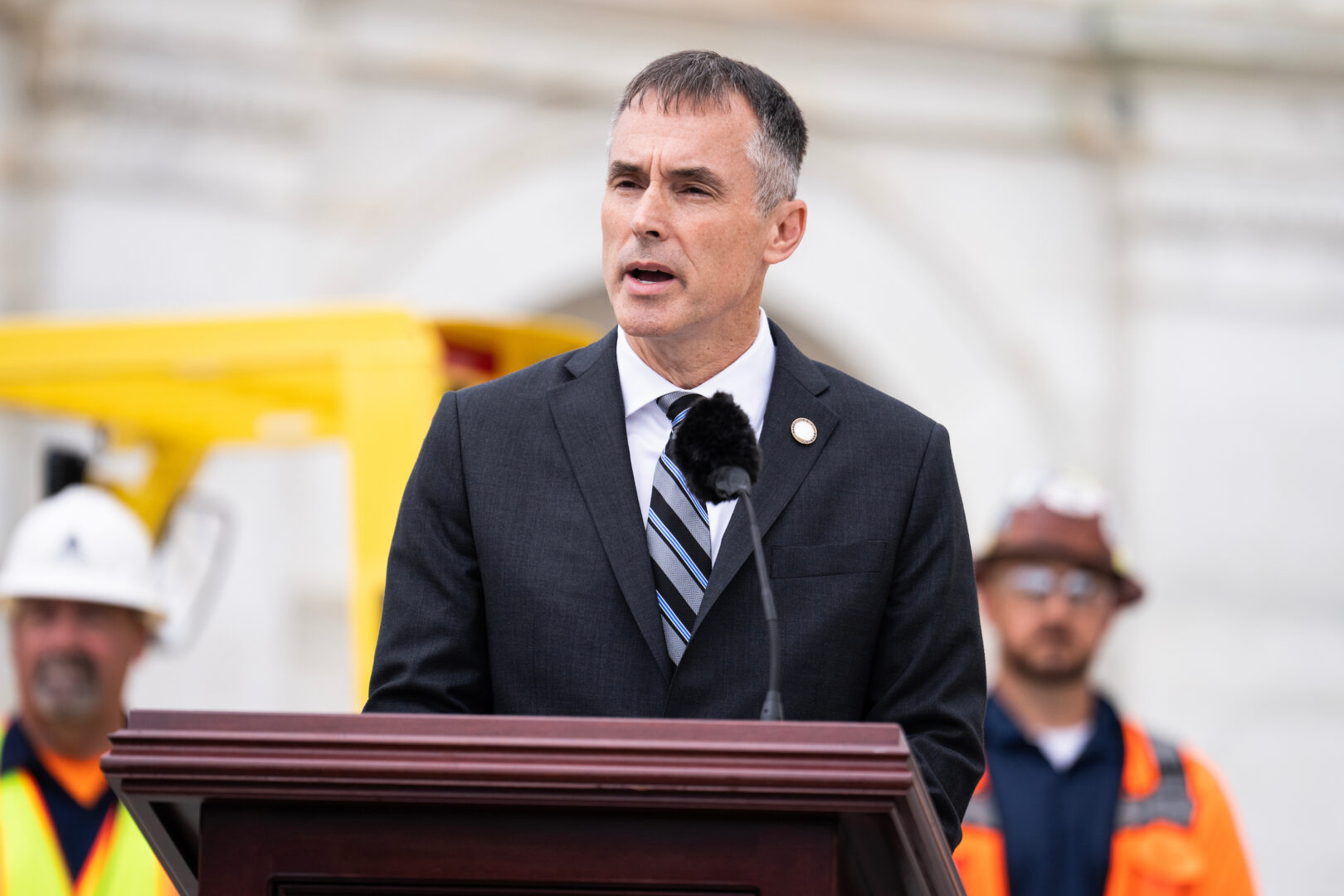
The Architect of the Capitol is pushing for a major renovation of the Rayburn House Office Building, which could cost $9 billion and last until 2045, but lawmakers remain hesitant to commit to the project. The building, constructed in 1965, is experiencing serious deterioration including 16 major leaks in the past year alone and risks of catastrophic system failure. The challenge reflects a broader political difficulty: Congress has historically been reluctant to fund its own infrastructure, with legislative branch spending averaging just 0.15 percent of total budget authority since 1976.

Study Finds College Faculty Lean Significantly Left, Raising Questions About Campus Ideological Diversity
A study commissioned by the Foundation for Individual Rights and Expression found that college faculty donors have an average ideology score of -1.02, comparable to Senator Bernie Sanders's -1.14, indicating strong leftward lean among faculty. The research cross-referenced over 100,000 faculty members with campaign contribution data, and separate surveys found only 20% of faculty believed a conservative scholar would be welcome in their department. The findings raise concerns about ideological diversity in higher education and its potential influence on student political attitudes.