Report Claims Widespread Fraud in Affordable Care Act Subsidies
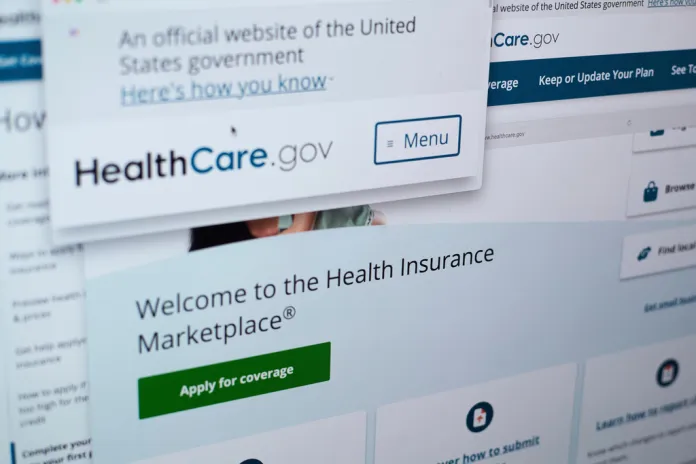
A report from the Paragon Health Institute estimates that 6.2 million people are fraudulently enrolled in Affordable Care Act plans, costing taxpayers approximately $25 billion annually. The fraud reportedly involves health insurance brokers using consumer data to sign up individuals for zero-premium plans without their knowledge, a practice that expanded significantly after Biden-era COVID subsidies increased the percentage of no-premium plans from 15% to 40%. The issue is cited as particularly acute in states relying on the federal Healthcare.gov platform rather than state-based exchanges.
According to a Paragon Health Institute report cited in this article, health insurance brokers are allegedly exploiting the Affordable Care Act by fraudulently enrolling individuals in subsidized plans. The brokers reportedly use online advertisements and purchased consumer data to obtain minimal information needed to enroll real people, then manipulate income and age data to qualify applicants for zero-premium plans. The applicants often remain unaware of their enrollment and are not billed, while taxpayer dollars flow directly to insurance companies through federal subsidies. The article claims brokers earn $20-$30 per enrollee monthly. The fraud reportedly expanded after Biden-era COVID subsidies increased zero-premium plan availability from 15% to 40% of subsidized plans. The article notes the problem is especially severe in red states without state-based exchanges that rely on Healthcare.gov, which allegedly has weaker verification and oversight than state platforms. The Trump administration has reportedly begun removing people simultaneously enrolled in Medicaid and exchange coverage, and the article recommends additional measures including stronger identity verification and minimum premium requirements.
What's missing
The article relies entirely on claims from the Paragon Health Institute report without presenting independent verification of the 6.2 million fraudulent enrollment figure or the $25 billion annual cost estimate. No response from the Biden administration, HHS officials, or health insurance companies is included. The article does not cite the actual Paragon report or provide its methodology, nor does it present alternative explanations for enrollment patterns or acknowledge any limitations in the fraud estimates.
What different sources said
- Washington ExaminerRight
Cleaning up Biden’s Obamacare subsidy fraud
Related
Halfway Through 2026 Primary Season: Six Key Takeaways from Congressional Races
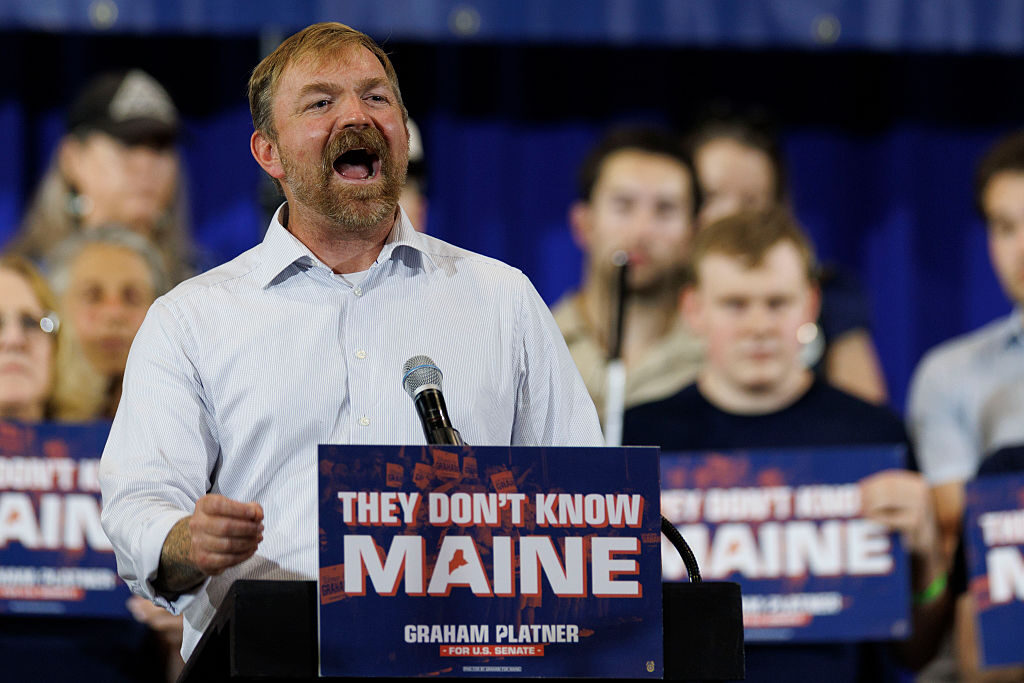
Four more states held primaries this week, bringing the total to 26 states that have completed regular congressional primaries in the 2026 midterm cycle. Key patterns emerging include front-runners not always winning, House members struggling to advance to statewide office, and President Trump's endorsement record remaining largely successful despite low approval ratings. These trends are shaping the competitive landscape for the general election.
Congress Struggles to Build Support for $9 Billion Rayburn House Office Building Renovation
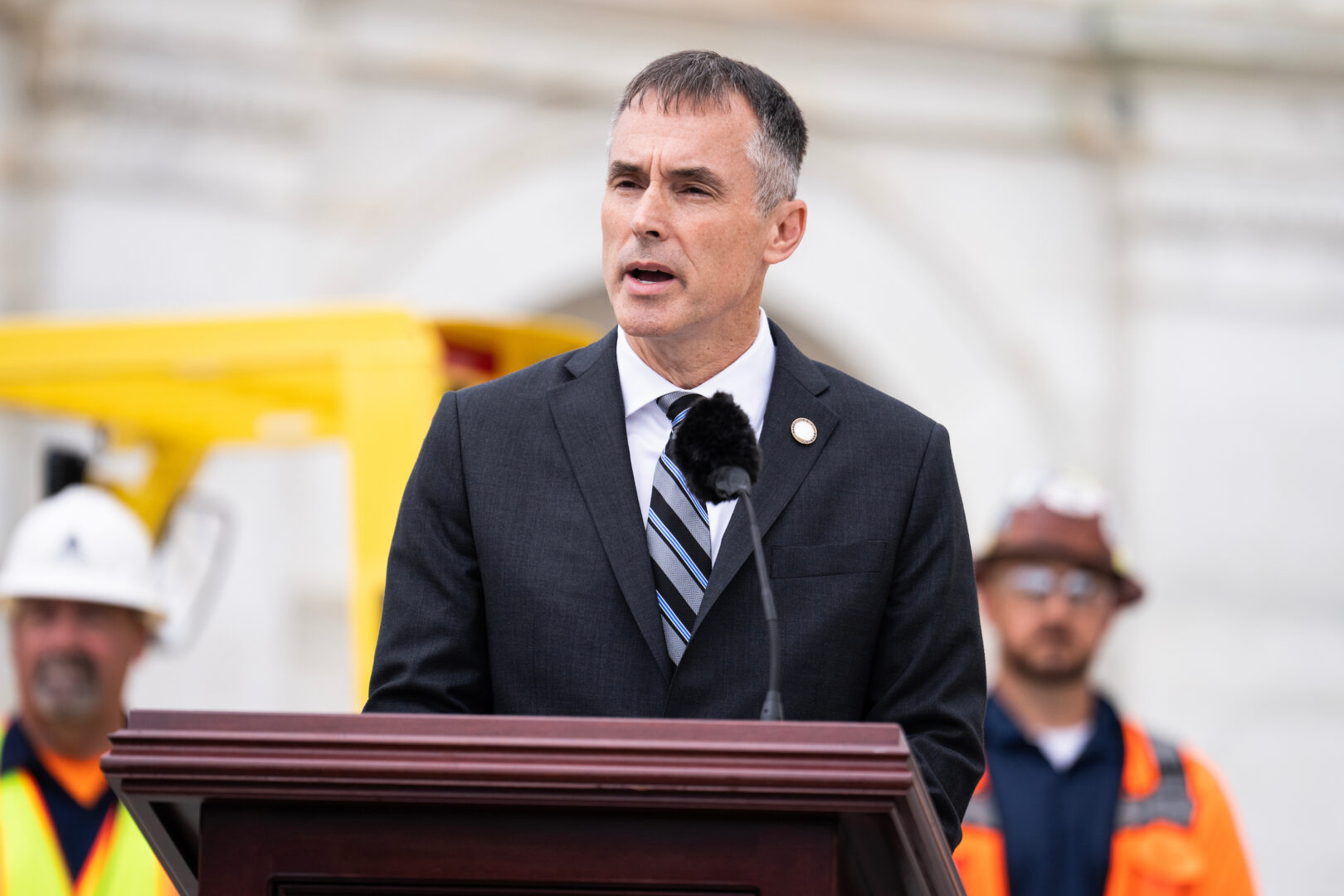
The Architect of the Capitol is pushing for a major renovation of the Rayburn House Office Building, which could cost $9 billion and last until 2045, but lawmakers remain hesitant to commit to the project. The building, constructed in 1965, is experiencing serious deterioration including 16 major leaks in the past year alone and risks of catastrophic system failure. The challenge reflects a broader political difficulty: Congress has historically been reluctant to fund its own infrastructure, with legislative branch spending averaging just 0.15 percent of total budget authority since 1976.

Study Finds College Faculty Lean Significantly Left, Raising Questions About Campus Ideological Diversity
A study commissioned by the Foundation for Individual Rights and Expression found that college faculty donors have an average ideology score of -1.02, comparable to Senator Bernie Sanders's -1.14, indicating strong leftward lean among faculty. The research cross-referenced over 100,000 faculty members with campaign contribution data, and separate surveys found only 20% of faculty believed a conservative scholar would be welcome in their department. The findings raise concerns about ideological diversity in higher education and its potential influence on student political attitudes.