Red Light Therapy: How It Works and What Research Shows
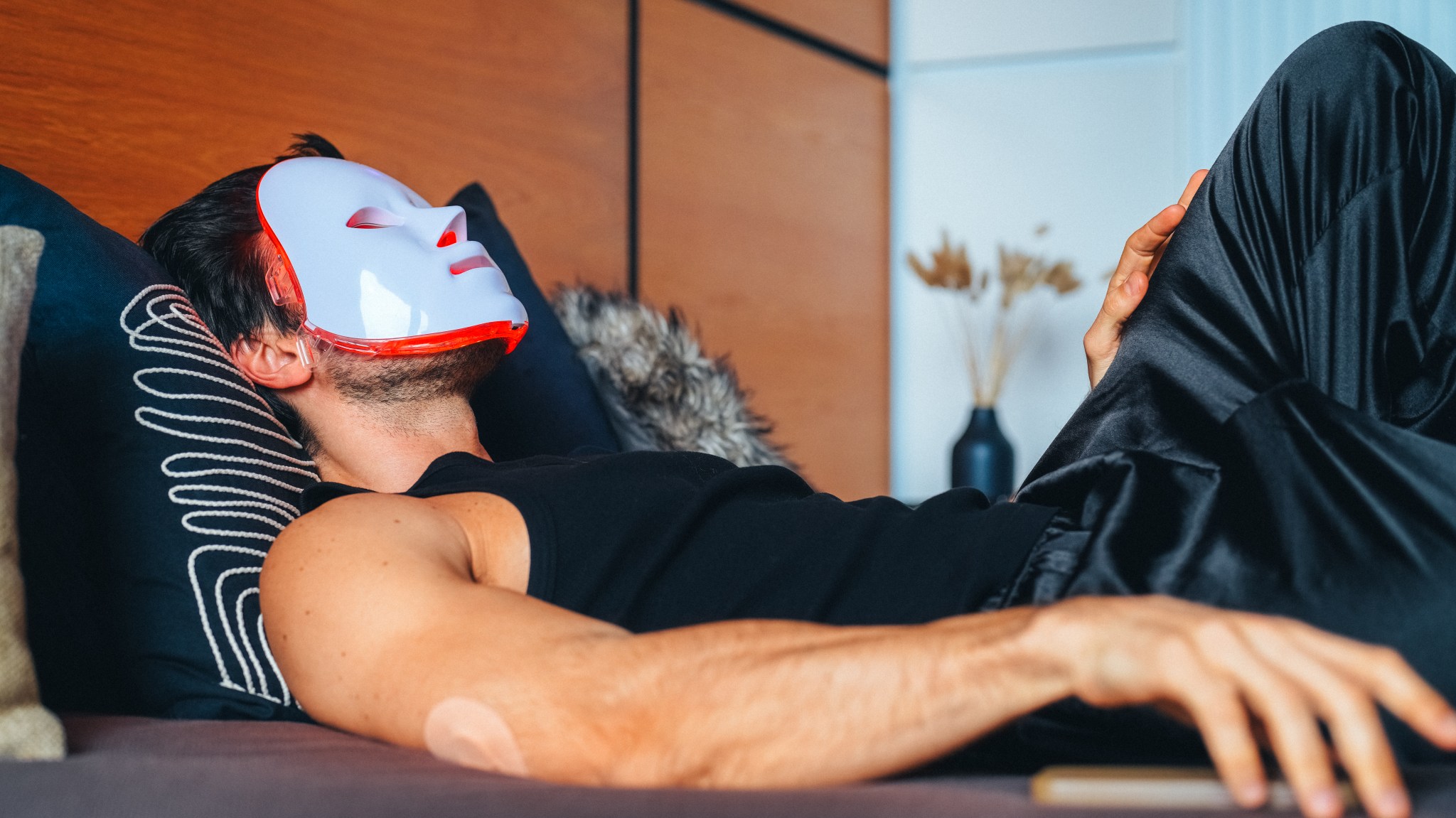
Red light therapy, which uses specific wavelengths of red and near-infrared light to stimulate cellular activity, is gaining popularity for potential benefits including skin health, wound healing, and muscle recovery. The therapy originated from NASA research in the 1990s and works by stimulating mitochondria to produce more ATP (cellular energy). While research is still evolving, medical professionals including dermatologists and sports medicine experts are studying its real-world applications and effectiveness.
Red light therapy exposes skin to wavelengths between 600-850 nanometers to stimulate mitochondrial function and increase ATP production, which may promote cellular repair, reduce inflammation, and improve healing. The therapy originated from NASA's LED experiments in the 1990s when researchers noticed faster wound healing in astronauts. Different wavelengths penetrate skin at varying depths—shorter wavelengths (630-700 nm) work on surface skin concerns like acne and wound healing, while longer wavelengths (800-850 nm) reach deeper tissues affecting muscles and joints. Red light therapy is delivered through various formats including panels, handheld devices, wearable masks, caps, wraps, and full-body beds. Medical experts note that at-home devices are weaker than clinical versions and require consistent use, though FDA-cleared devices may offer worthwhile results when complementing professional treatments.
What's missing
The articles do not provide specific citations to peer-reviewed studies or quantify the strength of evidence for claimed benefits. While experts are quoted, the actual volume and quality of published research supporting various applications (hair regrowth, acne, muscle recovery) are not detailed. Safety concerns or contraindications for specific populations are not discussed.
What different sources said
Related
Sydney Psychiatrist Retains Medical License After Sexual Assault Conviction
Gopi Ilawala, a Sydney psychiatrist convicted of sexually assaulting an intoxicated colleague in 2022, has been allowed to continue practicing medicine despite the state health regulator seeking to have his registration cancelled. The New South Wales Civil and Administrative Tribunal reprimanded him and imposed conditions rather than striking him off, citing his remorse, lack of prior convictions, and support from two senior psychiatrists. The decision raises questions about professional accountability and public protection in medical regulation.

Australia's TGA to crack down on illegal peptides; government allocates $100m for arthritis research
Australia's Therapeutic Goods Administration has announced a crackdown on illegal peptides due to a surge in imports and online advertising, designating them a priority focus area. The federal government has simultaneously committed $100 million to medical research into arthritis prevention, diagnosis, and treatment. These developments reflect growing regulatory concerns about unregulated drugs and increased investment in chronic disease research.

GLP-1 Drugs Like Ozempic May Help ADHD Symptoms, According to Patient Reports and Clinical Observations
Social media users and some patients are reporting that GLP-1 receptor agonist drugs like Ozempic appear to improve ADHD symptoms, including increased focus, reduced procrastination, and better impulse control. GLP-1s were originally developed to treat Type 2 diabetes but are being studied for various other conditions. While anecdotal reports are growing, no formal clinical trials are currently testing these drugs specifically for ADHD, and the mechanism behind any potential benefit remains unclear.