Rare Earth Mining in Myanmar Contaminates Thai Rivers and Food Supply with Arsenic and Heavy Metals
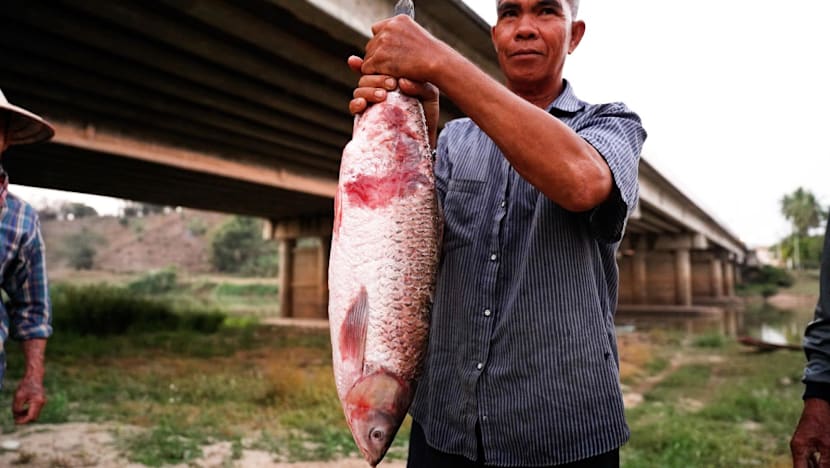
Unregulated rare earth mining in Myanmar's Shan and Kachin states is contaminating northern Thailand's rivers with arsenic and heavy metals, affecting rice crops and fish. The pollution travels via the Sai, Kok, and Ruak rivers into the Mekong system, which supports over 65 million people in the Lower Mekong basin. The crisis highlights the human cost of the global rare earth supply chain and the near-total absence of enforceable cross-border environmental law.
Arsenic and heavy metals originating from roughly 577 rare earth mines in Myanmar's Shan and Kachin states are flowing downstream into northern Thailand, contaminating the rivers, farmland, and food supply of communities in Chiang Rai and Chiang Mai. Water samples collected at Tha Ton — where the Kok River enters Thailand — showed arsenic at 0.0159 mg/L, above the 0.01 mg/L safety standard, while samples from Chiang Rai measured approximately 0.03 mg/L, three times the limit. In March 2025, Thailand's Pollution Control Department detected arsenic in Mekong River sediment at up to 296 mg/kg, nine times the 33 mg/kg safety threshold. A local farmer's urine tests show arsenic at double the acceptable exposure limit, and deformed or lesion-bearing fish have been caught in the affected rivers, with scientists suggesting heavy metals may be suppressing fish immune systems. The mines, many financed by Chinese companies and operated with Chinese technical expertise, expanded into Myanmar after China tightened its own environmental standards in the mid-2010s; Myanmar is now the world's fourth-largest rare earth producer and China's biggest external supplier. Thailand is pursuing diplomatic solutions involving Australia and Japan as intermediaries, and is exploring automated water-monitoring systems, but officials acknowledge there are no legal mechanisms to compel Myanmar or China to act. Experts argue that meaningful change requires China — whose influence over both the Myanmar military and ethnic armed groups is significant — to set and enforce environmental standards for its overseas mining operations.
What's missing
The article does not quantify the total volume of chemical waste or wastewater being discharged into river systems annually. Long-term epidemiological data on arsenic-related illness rates among affected Thai communities is also absent.
What different sources said
- Channel NewsAsiaCenter
How rare earth mining in Myanmar threatens Thailand’s rice and fish
Related
UNRWA Fires 70 Gaza Staff Members, Denies Terminations Validate Hamas Allegations
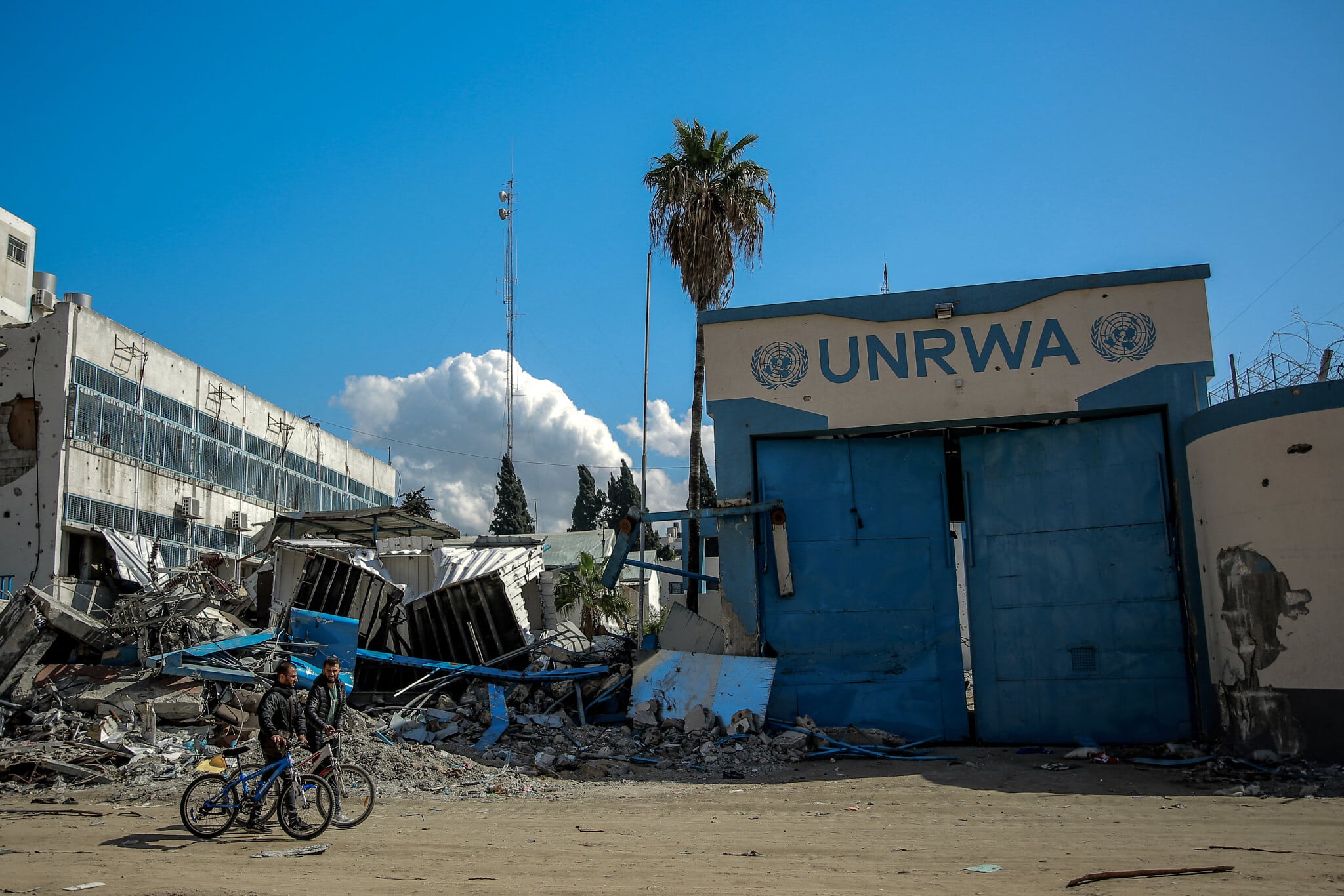
The UN agency for Palestinian refugees, UNRWA, has dismissed 70 employees in Gaza with immediate effect, citing safety and security risks. The move follows a USAID investigation that referred over 100 UNRWA staff for suspension or dismissal, and longstanding Israeli allegations that significant portions of the agency's workforce have ties to Hamas. The firings mark a significant but contested step in addressing accusations that have dogged the agency since the October 7, 2023 attacks, while UNRWA insists the dismissals are not an admission of guilt.
China's Tungsten Export Controls Ripple Through Global Supply Chains, From AI Chips to Weapons
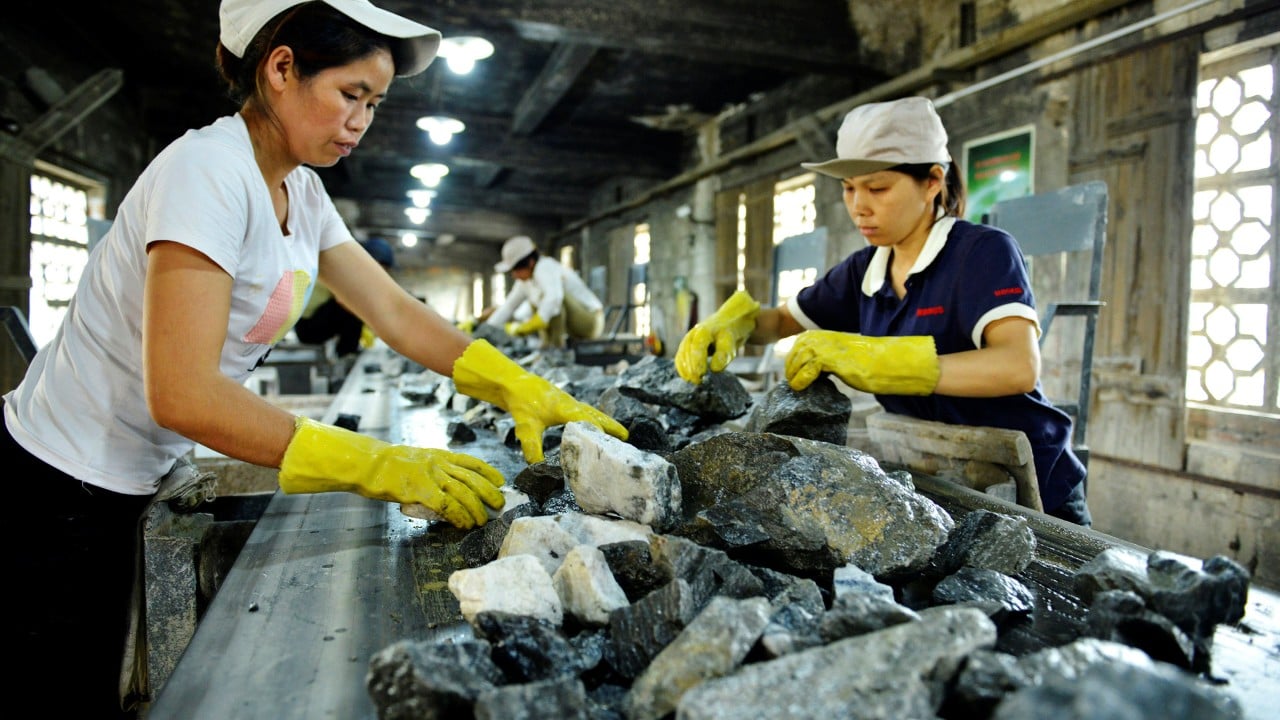
China's 2025 export restrictions on tungsten have triggered price surges, potential production halts at Japanese semiconductor gas manufacturers, and a push to revive domestic mining in the United States. Tungsten, of which China produces over 78 percent of global supply, is critical to both advanced AI chipmaking and military munitions. The disruptions are exposing deep vulnerabilities in Western and Asian supply chains for a material with few short-term substitutes.

Rain Delays Start of India vs Afghanistan 1st ODI in Dharamshala
Persistent drizzle has delayed the toss and cast doubt over the first ODI between India and Afghanistan at the Himachal Pradesh Cricket Association Stadium in Dharamshala. The meteorological department issued an orange alert for June 12 warning of thunderstorms and hail across parts of Himachal Pradesh, with a 60–70% chance of showers forecast throughout the day. The delay threatens what would have been a historically significant match — the first-ever bilateral ODI series between the two nations.