Progressive Democrats Divided Over Who Will Lead Movement After Bernie Sanders Rules Out 2028 Run
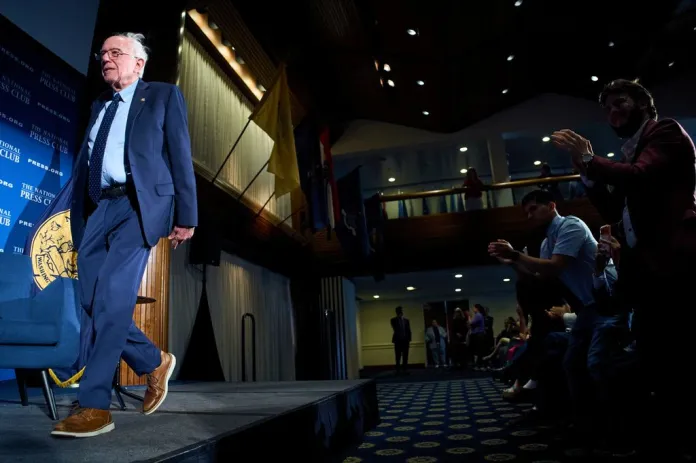
Sen. Bernie Sanders has indicated he will not run for president in 2028, leaving progressives uncertain about who will carry forward his political movement. Potential successors include Reps. Alexandria Ocasio-Cortez and Ro Khanna, both of whom have been visiting early primary states, though neither has committed to a 2028 campaign. The question of Sanders's heir matters because it will shape the direction and leadership of the progressive wing of the Democratic Party heading into the next presidential cycle.
Senator Bernie Sanders appears to have ruled out a 2028 presidential run, prompting speculation about who will lead the progressive movement within the Democratic Party. Representatives Alexandria Ocasio-Cortez and Ro Khanna are frequently mentioned as potential successors, with both having made recent visits to important primary states like South Carolina and Georgia. However, both lawmakers have downplayed the idea of being Sanders's direct heir, with Ocasio-Cortez stating she wants to be "the first me" rather than the next anyone, and Khanna arguing that Sanders's movement will be carried by multiple candidates across different offices. Other progressive Democrats, including Reps. Pramila Jayapal, Jasmine Crockett, and Andre Carson, expressed reluctance to anoint a single successor, with some calling for the primary process to play out organically. Joseph Geevarghese, executive director of Sanders's Our Revolution organization, emphasized that no single candidate has a lock on the progressive base and suggested there could be surprise candidates.
What different sources said
- Washington ExaminerRight
No heir apparent: Progressives split over who carries Bernie Sanders’s torch in 2028
Related
Halfway Through 2026 Primary Season: Six Key Takeaways from Congressional Races
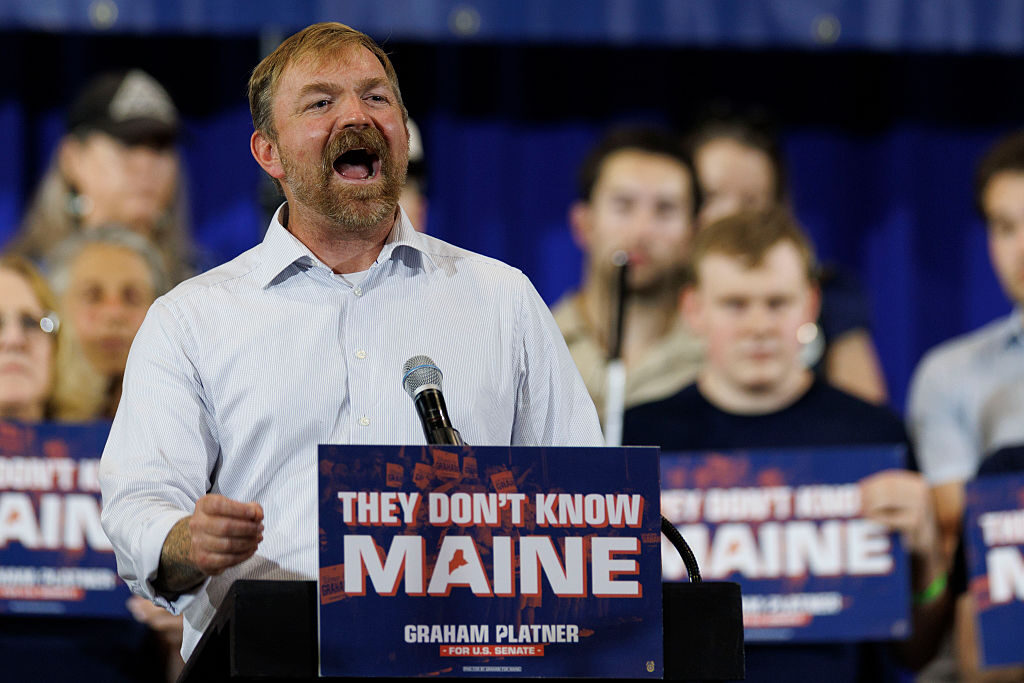
Four more states held primaries this week, bringing the total to 26 states that have completed regular congressional primaries in the 2026 midterm cycle. Key patterns emerging include front-runners not always winning, House members struggling to advance to statewide office, and President Trump's endorsement record remaining largely successful despite low approval ratings. These trends are shaping the competitive landscape for the general election.
Congress Struggles to Build Support for $9 Billion Rayburn House Office Building Renovation
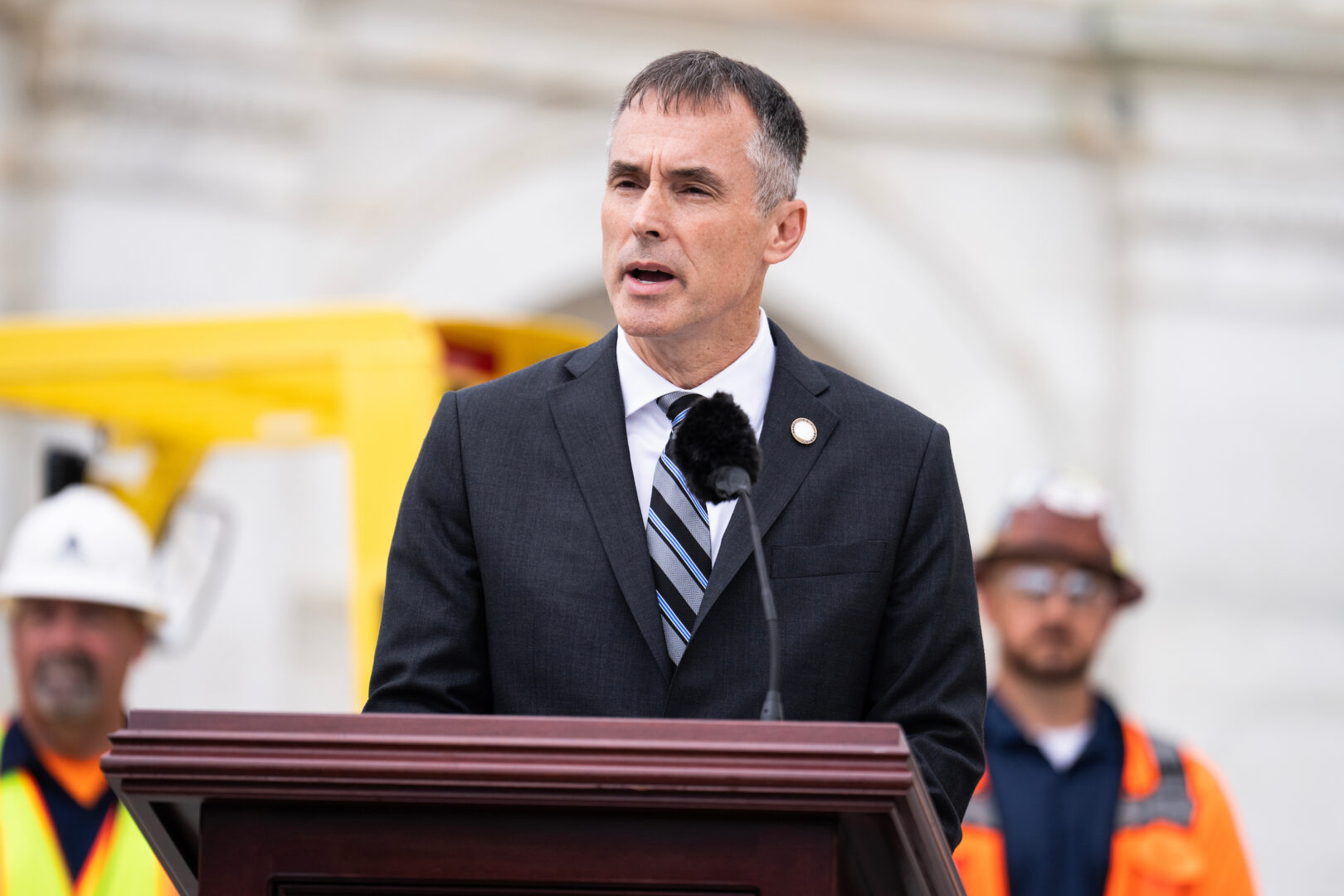
The Architect of the Capitol is pushing for a major renovation of the Rayburn House Office Building, which could cost $9 billion and last until 2045, but lawmakers remain hesitant to commit to the project. The building, constructed in 1965, is experiencing serious deterioration including 16 major leaks in the past year alone and risks of catastrophic system failure. The challenge reflects a broader political difficulty: Congress has historically been reluctant to fund its own infrastructure, with legislative branch spending averaging just 0.15 percent of total budget authority since 1976.

Study Finds College Faculty Lean Significantly Left, Raising Questions About Campus Ideological Diversity
A study commissioned by the Foundation for Individual Rights and Expression found that college faculty donors have an average ideology score of -1.02, comparable to Senator Bernie Sanders's -1.14, indicating strong leftward lean among faculty. The research cross-referenced over 100,000 faculty members with campaign contribution data, and separate surveys found only 20% of faculty believed a conservative scholar would be welcome in their department. The findings raise concerns about ideological diversity in higher education and its potential influence on student political attitudes.