Prediction Markets Expanding into Insurance and Risk Transfer, Raising Questions About Intent and Regulation

Prediction markets like Kalshi are increasingly being used to transfer financial risks traditionally handled by insurance companies, as exemplified by a Spanish soccer team's relegation hedge that ended up on the platform. The distinction between legitimate hedging and speculation hinges on whether the party taking the bet would suffer from the outcome occurring, a principle established in insurance law since 1745 but absent from current prediction market regulations. The trend highlights both the utility of prediction markets for risk transfer and potential regulatory gaps that may eventually require clearer rules around "insurable interest."
Prediction markets are expanding beyond their traditional role into insurance and risk-transfer functions, with platforms like Kalshi facilitating hedges that were historically handled by traditional insurers like Lloyd's of London. The case of Spanish soccer club Atlético Osasuna purchasing a $7 million relegation insurance policy illustrates this shift—the club contracted with Howden for standard relegation coverage, which was subsequently transferred through reinsurance channels to Kalshi. The core question raised is when a hedge becomes a bet: the distinction depends on intent and whether the hedging party would suffer if the bad outcome occurs. Insurance law has long required "insurable interest"—the principle that you can only insure what you stand to lose—dating back to 1745 British regulations against death-market speculation. However, prediction market platforms and CFTC regulations currently lack equivalent safeguards. While prediction markets demonstrate utility in modernizing risk transfer, the absence of insurable-interest requirements may eventually necessitate regulatory clarification to prevent pure speculation disguised as hedging.
What different sources said
- SemaforCenter
Prediction markets are rebuilding insurance and it’s getting weird
Related

U.S. Markets Stage Rebounds Following Chip Stock Selloff
U.S. markets have rebounded twice following a dramatic Friday selloff in chip stocks, with gains at Monday's open and Tuesday afternoon. The Nasdaq 100 remains down 4.25% for the month despite the recoveries, and volatility has increased sharply. The pattern reflects the market's traditional 'buy the dip' behavior as investors resist giving up recent gains.
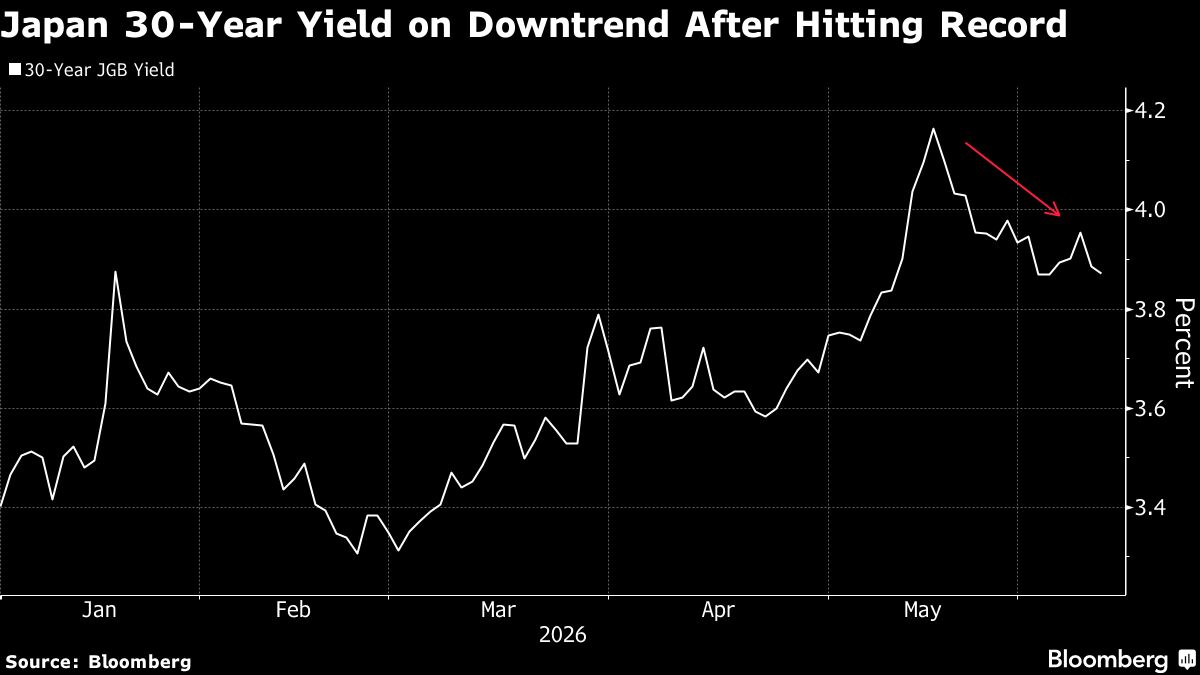
Japan's 30-Year Bond Auction Sees Weakest Demand in Over a Year
Japan's 30-year government bond auction on June 10, 2026 attracted the weakest demand since June 2025, with a bid-to-cover ratio of 2.94 compared to the previous 3.49. The decline reflects investor concerns over inflation and fiscal policy, as well as falling yields reducing appetite for the bonds. Weak bond demand can signal investor anxiety about Japan's economic outlook and fiscal sustainability.
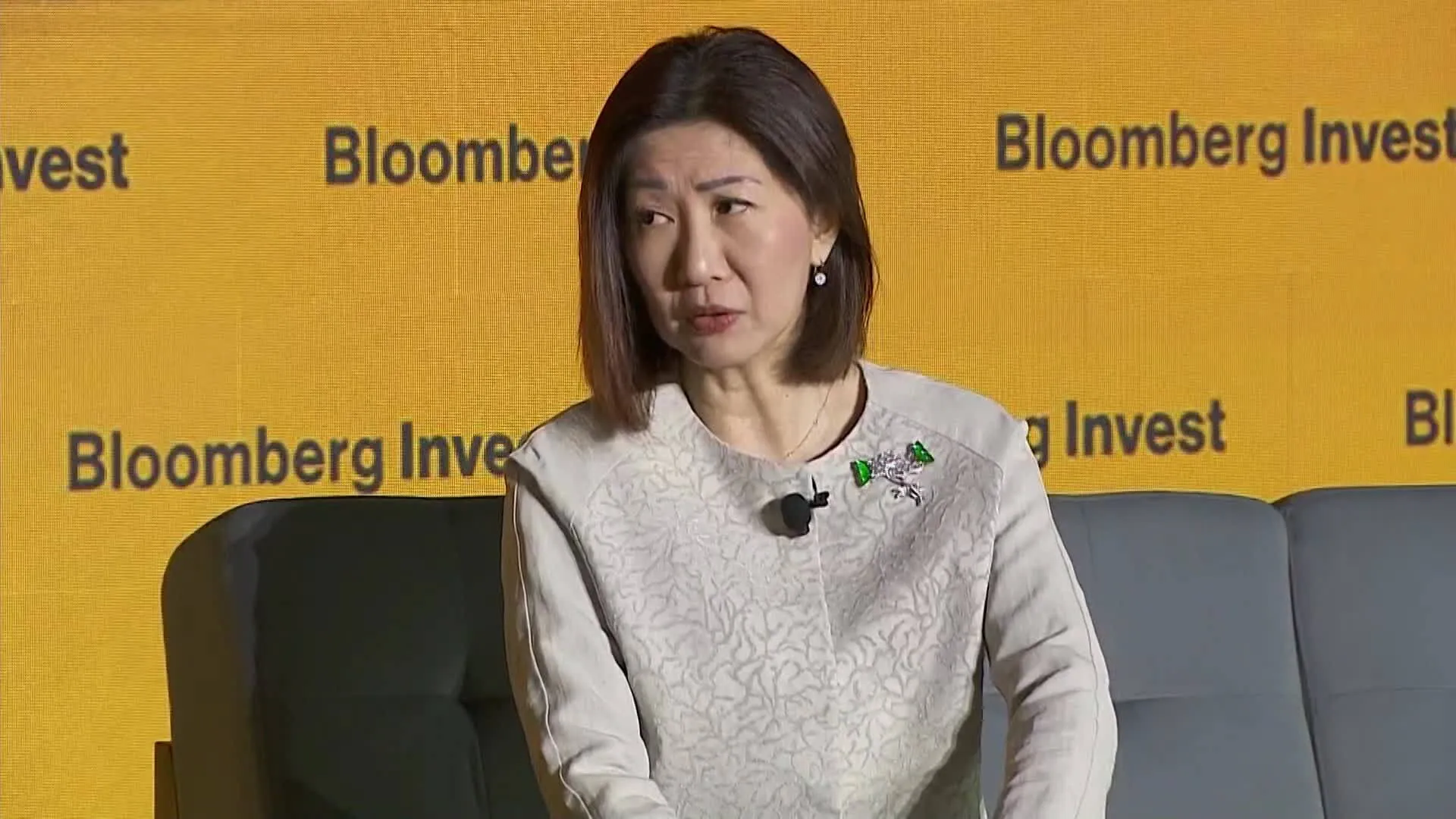
HKEx CEO Bonnie Chan Calls Potential SpaceX Listing an 'Exciting Deal'
Hong Kong Exchanges and Clearing (HKEx) CEO Bonnie Chan expressed enthusiasm about a potential SpaceX listing, describing it as an exciting opportunity. Chan highlighted that Chinese supply chains have broad coverage relevant to such a deal. The statement suggests HKEx's interest in attracting major space industry companies to its exchange.