Poll: Majority of Americans Believe Intelligent Extraterrestrial Life Exists; One in Five Think Contact Already Made
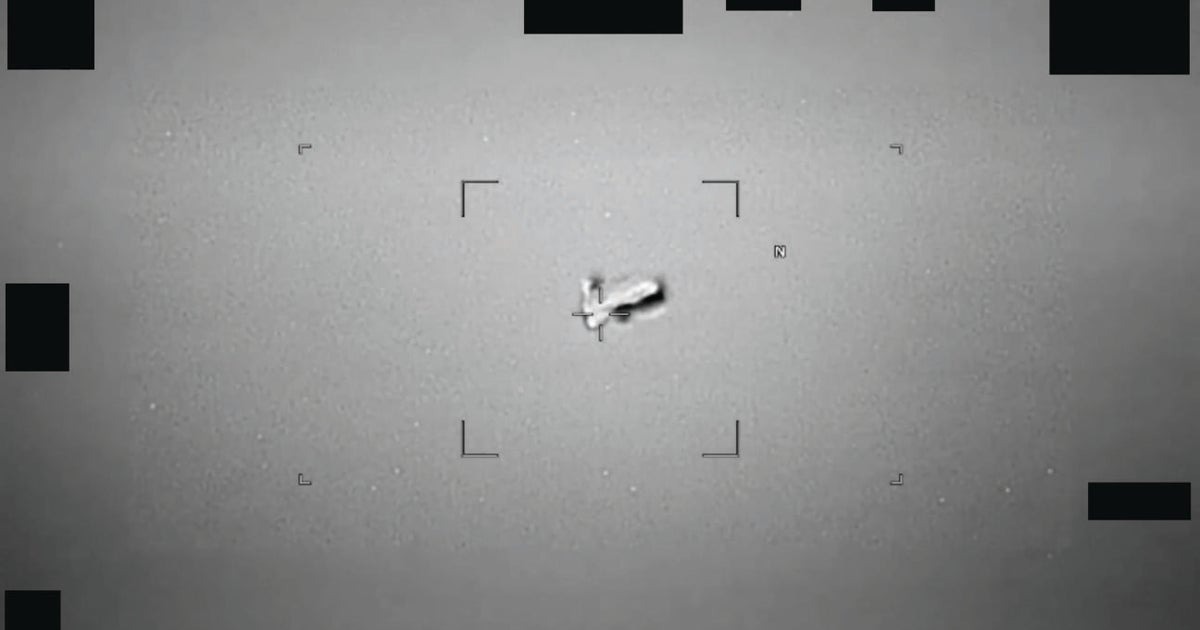
A new CBS News/YouGov poll of 2,023 U.S. adults finds that 63% believe intelligent life exists on other planets, and 21% believe humans have already made contact with extraterrestrials. Belief in intelligent alien life has risen sharply since 2010, when fewer than half of Americans held that view, and the recent government release of UFO files appears to have reinforced existing beliefs for some. The findings reflect growing public openness to the possibility of extraterrestrial contact and widespread skepticism that the government is being fully transparent about what it knows.
Conducted June 2–4, 2026, the CBS News/YouGov survey found that 63% of Americans believe intelligent life exists on other planets, up from 47% in 2010 and a slight dip from a peak of 66% in 2021. When asked about the timing of human contact with extraterrestrials, 21% said contact has already occurred, 46% expect it to happen in the future, and 33% said it will never happen. If such an encounter were to take place, 67% said they would feel curious, 47% nervous, 32% excited, and 31% scared. Seventeen percent of respondents reported personally seeing something they believed was a UFO, consistent with recent Gallup findings but higher than 1970s figures. The Trump administration's recent release of UFO-related government files had some impact on public opinion: 29% of all respondents said the release made them more likely to believe aliens have visited Earth, rising to 40% among those who actually watched the videos. An overwhelming 84% of Americans believe the U.S. government knows more about UFOs than it is disclosing, a view shared across party lines by Democrats, Republicans, and independents alike. Public opinion on the nature of UFO sightings is nearly evenly split overall, with 51% saying they might sometimes be alien spacecraft and 49% attributing them to human or natural activity.
Data: CBS News Poll / YouGov
What's missing
The poll does not break down the 21% who believe contact has already occurred by demographic subgroups (e.g., age, party affiliation, or prior UFO sighting experience), which would help contextualize who holds that belief. Additionally, the survey does not ask respondents to distinguish between belief in microbial or simple life versus intelligent life, nor does it probe what specific evidence or events most influenced shifts in belief since 2021.
How coverage differed
CBS News presented the poll findings in a straightforward, data-driven format with historical context and methodological detail. The New York Post covered the same data with more sensationalized framing — using phrases like 'out-of-this-world' and 'eye-popping' — and selectively emphasized the more dramatic figures, such as the 21% who believe contact has already occurred, without providing the same historical trend context.
What different sources said
- New York PostRight
1 in 5 Americans believe aliens are already among us, out-of-this-world poll says
- CBS PoliticsCenter
Poll: Most believe extraterrestrial life exists – and some think it's already here
Related

CIS Study: Non-Citizen Households Use Welfare at Higher Rates Than U.S.-Born Households in Nearly Every State
A new analysis by the Center for Immigration Studies found that 47% of non-citizen-headed households used at least one means-tested welfare program, compared to 28% of U.S.-born-headed households. The study drew on five years of Census Bureau data and found the gap persisted across nearly every state, with the largest disparities in New York, Massachusetts, and California. The findings reignite a long-running debate over immigration and public benefit usage, though the methodology has been contested by other researchers.

Pilot Killed in Small Plane Crash Near Twin Oaks Airpark in Washington County, Oregon
A small two-seater experimental plane crashed into a grassy field near Twin Oaks Airpark in Hillsboro, Oregon on Friday afternoon, killing its sole occupant. The crash occurred during takeoff and sparked a grass fire that spread to a nearby field before firefighters contained it. The NTSB and FAA are investigating the cause, and flights at the airpark were canceled for the remainder of the day.

Ohio Police Chief Arrested in Florida on 70-Count Child Sex Indictment
Bethel Police Chief Chad Essert, 44, was arrested Tuesday night in Seminole, Florida, following a Clermont County grand jury indictment on 56 counts of sexual battery and 14 counts of unlawful sexual conduct with a minor. The alleged offenses occurred between 2005 and 2010, when Essert was an instructor with the Young Marines program and a teacher at Scarlet Oaks Career Campus in Sharonville, Ohio. If convicted on all counts, Essert faces a maximum of 280 years in prison, and authorities are urging any additional potential victims to come forward.