PgDog, a Postgres scaling proxy, secures $5.5M in funding

PgDog, a three-person startup, announced it has raised $5.5M in funding to scale its Postgres horizontal scaling proxy product. The tool aims to make Postgres handle massive workloads (100TB+ tables, 1M+ queries per second) without requiring alternative databases like MongoDB or DynamoDB. The company claims over 1.4M Docker pulls and is currently serving 2M+ queries per second across production deployments.
PgDog is a proxy layer designed to make PostgreSQL horizontally scalable, addressing what the founders identify as Postgres's primary limitation that has driven adoption of alternative databases. The startup, founded by infrastructure engineers with prior experience scaling Postgres at companies like Instacart, has already deployed the open-source tool across dozens of production systems handling over 2M queries per second and sharding more than 20TB of data. With $5.5M in funding from investors including Basis Set, Y Combinator, and Pioneer Fund, the team plans to develop an enterprise edition with AWS integration and SLA-backed support. The product is available as open source with weekly releases and operates without vendor lock-in, deployable on-premises, in cloud accounts, or locally.
What's missing
The announcement does not provide independent verification of the claimed metrics (2M queries per second, 1.4M Docker pulls, 20TB sharded), nor does it discuss potential limitations of the proxy approach, competitive alternatives in the Postgres scaling space, or technical details about how sharding is implemented.
What different sources said
- Hacker NewsCenter
PgDog is funded and coming to a database near you
Related
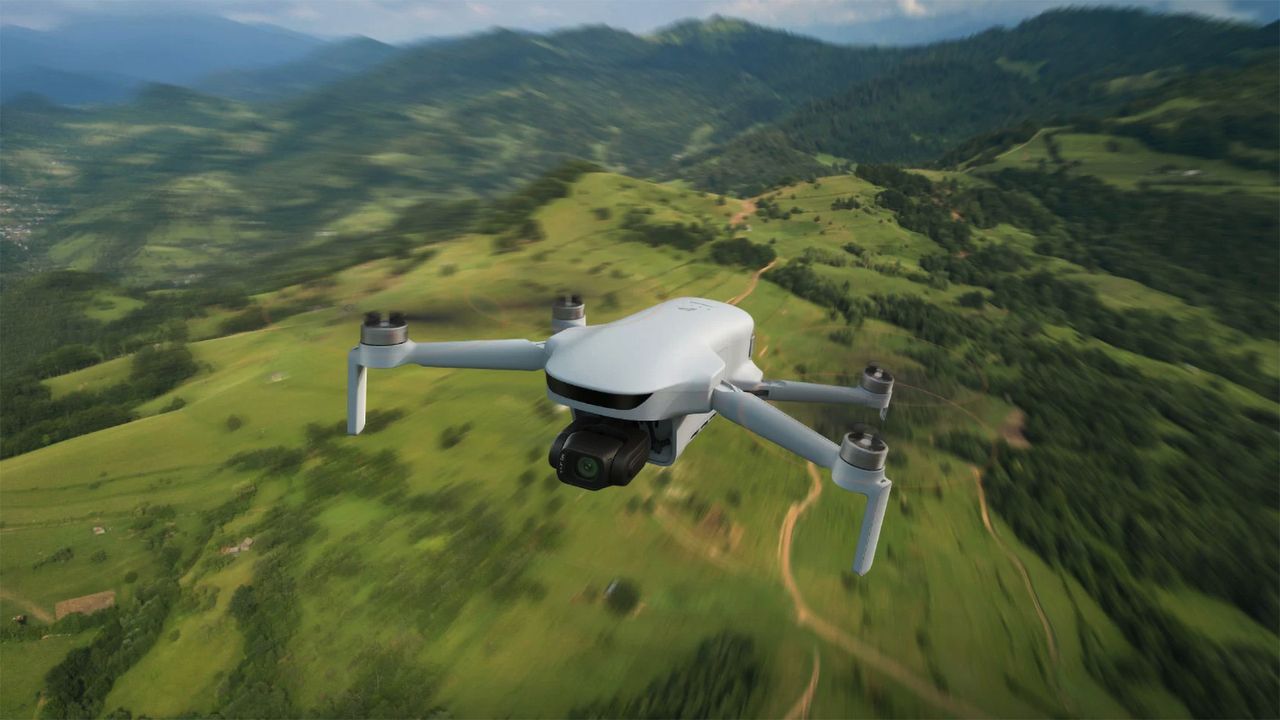
Potensic Atom 3 Drone Offers DJI Alternative for Global Markets, But Faces US Import Ban
Potensic has released the Atom 3, an upgraded beginner drone featuring a larger sensor, 4K 60fps video, improved battery life, and AI tracking capabilities at competitive pricing ($429.99-$549.99). The drone competes directly with DJI's Lito X1 but faces the same regulatory barriers as DJI in the US market due to a ban on foreign-made drones. The availability restrictions highlight ongoing US trade restrictions on Chinese drone manufacturers and limit consumer choice in the American market.

Wing and Walmart Expand Drone Delivery to Seven Additional U.S. Cities
Alphabet-owned Wing and Walmart are expanding their drone delivery partnership to seven new U.S. cities including Memphis, New Orleans, Philadelphia, Phoenix, San Diego, the San Francisco Bay Area, and Salt Lake City. The expansion is part of a plan to reach over 270 Walmart locations by next year, building on successful deployments in Atlanta, Dallas-Fort Worth, and Houston. The move signals that drone delivery is transitioning from a novelty service to a mainstream logistics option, with Wing having completed over 1 million commercial deliveries.

Anthropic CEO Calls for FAA-Style Regulation of Powerful AI Models
Anthropic CEO Dario Amodei published an essay calling for government regulation of powerful AI models, comparing the approach to FAA oversight of commercial aviation. The proposal includes mandatory third-party testing for frontier models and potential government authority to block or delay their deployment if they pose safety risks. The call comes as Anthropic released Claude Fable 5 and an updated Claude Mythos 5 model with advanced cybersecurity capabilities.