Permitting Reform Needed to Strengthen U.S. Defense Industrial Base Against China, Senator Argues
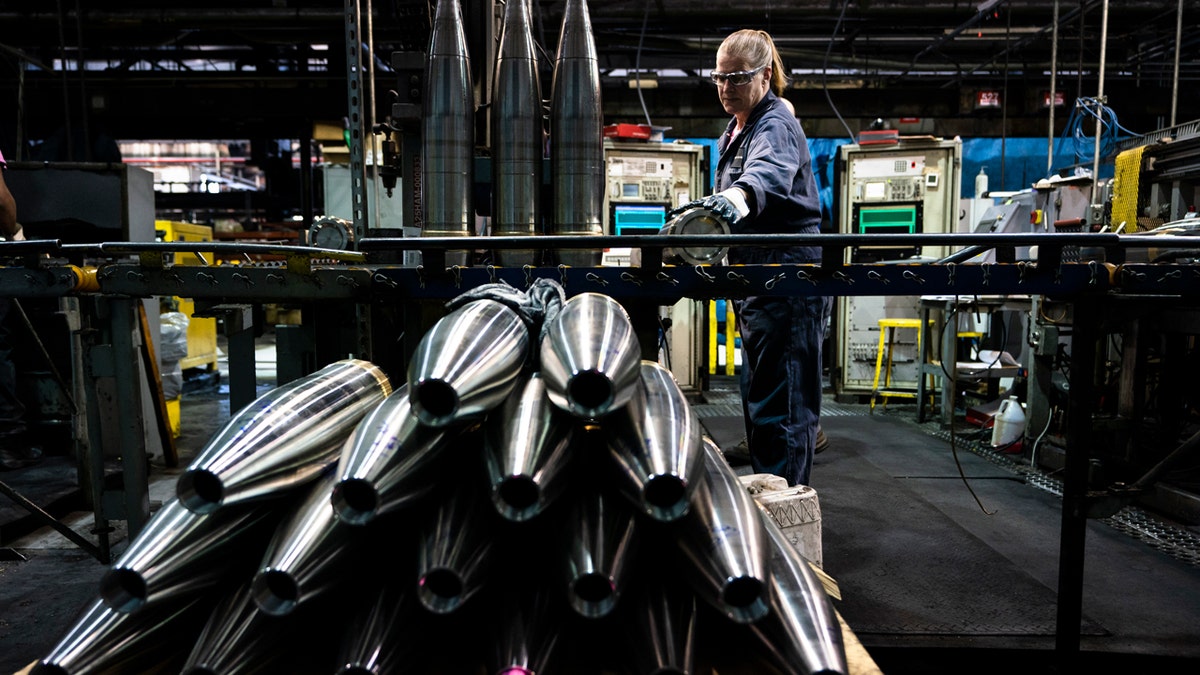
Sen. Kevin Cramer argues that streamlined permitting processes are essential for rebuilding America's defense industrial capacity to compete with China's manufacturing dominance. China currently outproduces the U.S. in steel by 12-to-1 and possesses shipbuilding capacity roughly 230 times larger, while recent conflicts have exposed fragile U.S. munitions supply chains. Cramer contends that permitting reform is critical to national security and the ability to deter or prevail in a potential major conflict.
Sen. Kevin Cramer makes a national security case for permitting reform, arguing that regulatory bottlenecks have hollowed out America's defense industrial base over two decades. He cites stark manufacturing disparities: China's steel production exceeds the U.S. by roughly 12-to-1, and its shipbuilding capacity is approximately 230 times larger. Recent conflicts illustrate the consequences—the U.S. ramped 155mm artillery shell production from 14,000 to 40,000 monthly but fell far short of Ukraine's estimated needs of 150,000-200,000 shells. Cramer draws historical parallels to World War II and the Civil War, when American manufacturing dominance proved decisive, and argues that today's equivalent advantage lies in artificial intelligence and reliable power infrastructure. He contends that China's defense industrial base can shift to wartime production with minimal bureaucratic constraints, while the U.S. remains hampered by environmental reviews and regulatory procedures.
What's missing
The article does not provide independent verification of the specific manufacturing ratios cited (12-to-1 steel production, 230-to-1 shipbuilding capacity), nor does it present counterarguments from those who argue that permitting reform could have environmental or other costs, or alternative perspectives on how to address defense industrial capacity.
What different sources said
- Fox NewsRight
SEN KEVIN CRAMER: China builds for war while America waits on permits
Related
Halfway Through 2026 Primary Season: Six Key Takeaways from Congressional Races
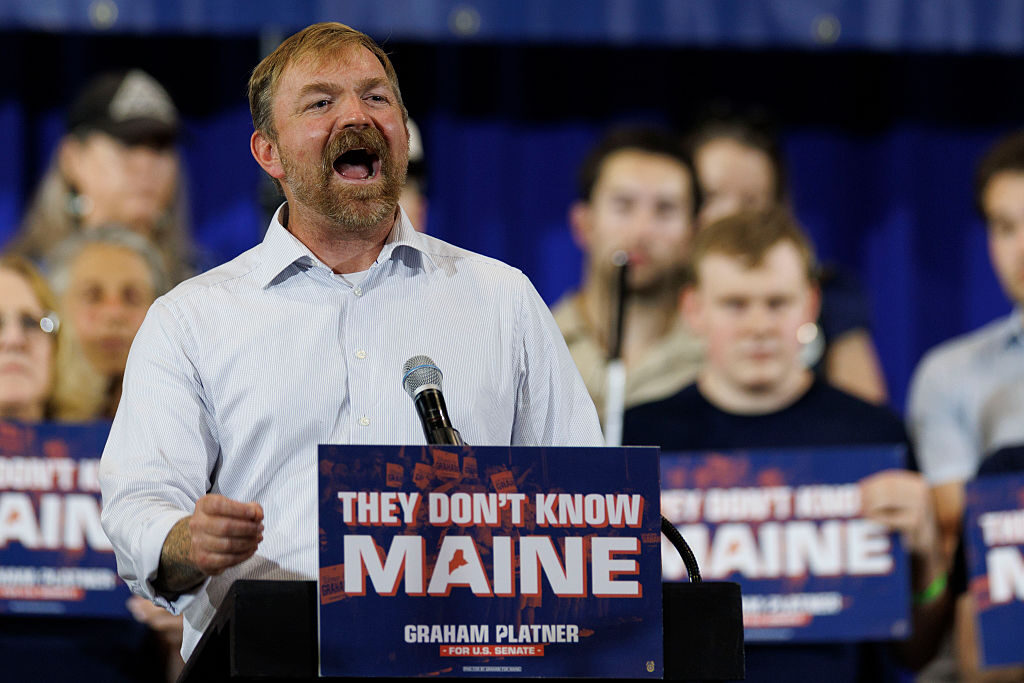
Four more states held primaries this week, bringing the total to 26 states that have completed regular congressional primaries in the 2026 midterm cycle. Key patterns emerging include front-runners not always winning, House members struggling to advance to statewide office, and President Trump's endorsement record remaining largely successful despite low approval ratings. These trends are shaping the competitive landscape for the general election.
Congress Struggles to Build Support for $9 Billion Rayburn House Office Building Renovation
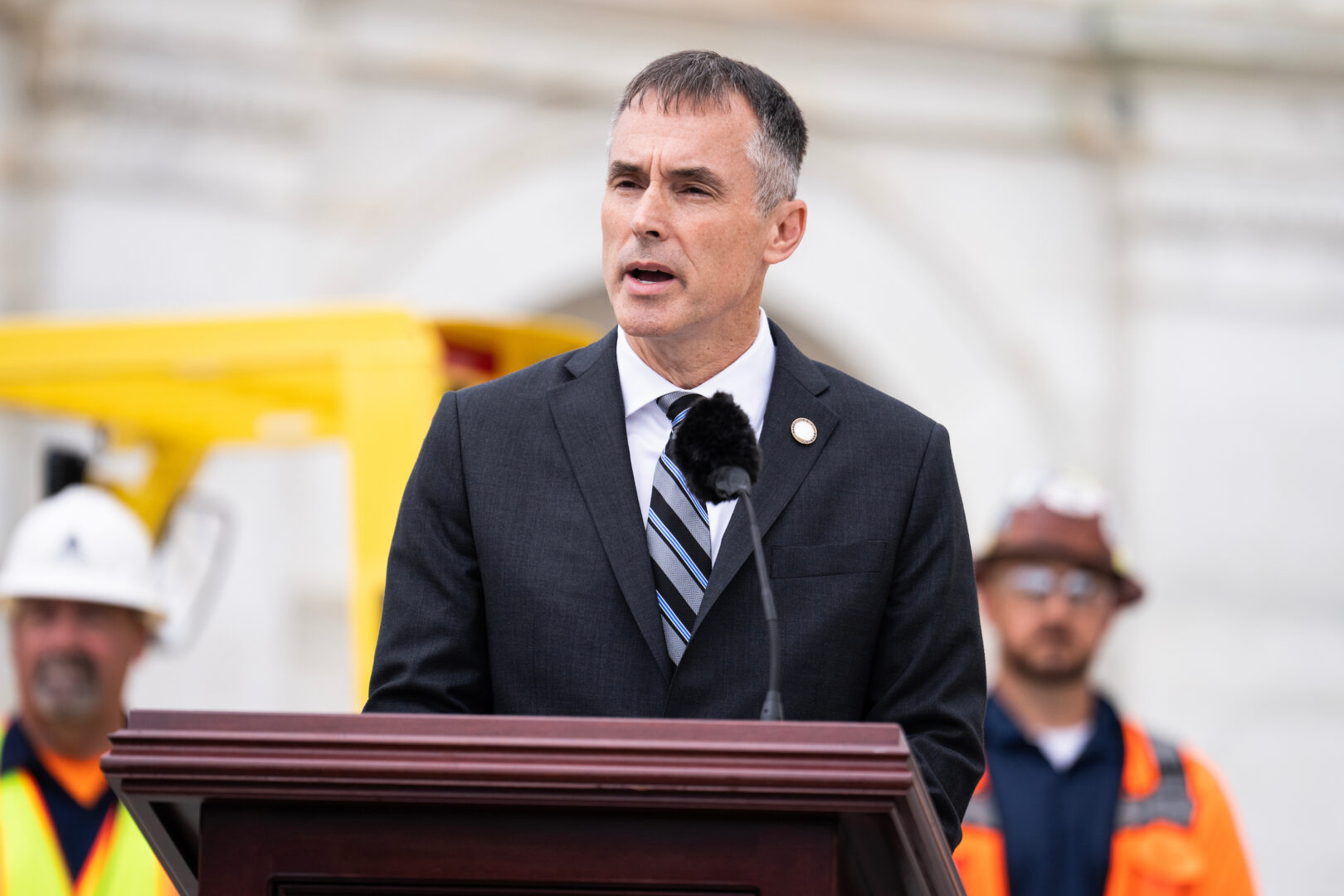
The Architect of the Capitol is pushing for a major renovation of the Rayburn House Office Building, which could cost $9 billion and last until 2045, but lawmakers remain hesitant to commit to the project. The building, constructed in 1965, is experiencing serious deterioration including 16 major leaks in the past year alone and risks of catastrophic system failure. The challenge reflects a broader political difficulty: Congress has historically been reluctant to fund its own infrastructure, with legislative branch spending averaging just 0.15 percent of total budget authority since 1976.

Study Finds College Faculty Lean Significantly Left, Raising Questions About Campus Ideological Diversity
A study commissioned by the Foundation for Individual Rights and Expression found that college faculty donors have an average ideology score of -1.02, comparable to Senator Bernie Sanders's -1.14, indicating strong leftward lean among faculty. The research cross-referenced over 100,000 faculty members with campaign contribution data, and separate surveys found only 20% of faculty believed a conservative scholar would be welcome in their department. The findings raise concerns about ideological diversity in higher education and its potential influence on student political attitudes.