People Inc. Invests in Vertical Microseries to Adapt Legacy Media Brands for Modern Audiences

People Inc., owner of PEOPLE and InStyle magazines, is producing original episodic vertical content designed to build recurring audience loyalty on mobile platforms. The company views vertical microseries not as a passing trend but as a legitimate format for building franchises and IP suited to how audiences consume content today. This strategy allows legacy media brands with decades of equity to reach younger, mobile-first audiences without compromising editorial integrity.
People Inc. has made a deliberate investment in vertical microseries—short episodic content designed for mobile screens—as a way to adapt its iconic media brands to changing consumption habits. According to Leah Wyar, President of the Entertainment, Beauty & Style Group, the company recognized that vertical content could function as appointment viewing with recurring audiences, similar to traditional television programming. The company applies brand-specific strategies: InStyle leverages its fashion authority through personality-driven formats like "The Intern" and "The Boss," while PEOPLE uses its access and audience trust to develop storytelling-focused series like "The Fourth Wall." Wyar emphasizes that editorial integrity and brand authenticity remain central to the approach, arguing that audiences detect over-produced or inauthentic content regardless of format. The company looks for three key elements in brands suited to the format: a clear point of view, talent audiences want to follow, and reasons for recurring engagement.
What's missing
The article does not provide viewership metrics, audience engagement data, or financial performance figures for the vertical microseries produced. It also lacks information about competitive strategies from other legacy media companies pursuing similar vertical content initiatives, or broader industry adoption rates for this format.
What different sources said
- ForbesCenter
How People Inc. Is Turning Iconic Media Brands Into Vertical Entertainment Franchises
Related

Documentary 'Hollywood Does Abortion' Claims Entertainment Industry Stigmatized Abortion Through Misleading Portrayals
A new documentary premiered at the Tribeca Film Festival arguing that Hollywood films and television shows have historically depicted abortion in a stigmatized and inaccurate manner, from the 1970s to recent years. The filmmakers contend that portrayals often featured false medical complications, miscarriages that prevented characters from making abortion decisions, or exaggerated post-abortion regret. The documentary's claims have drawn responses from both abortion-rights and pro-life advocates, with disagreement over the accuracy of abortion's depiction in media and its real-world consequences.
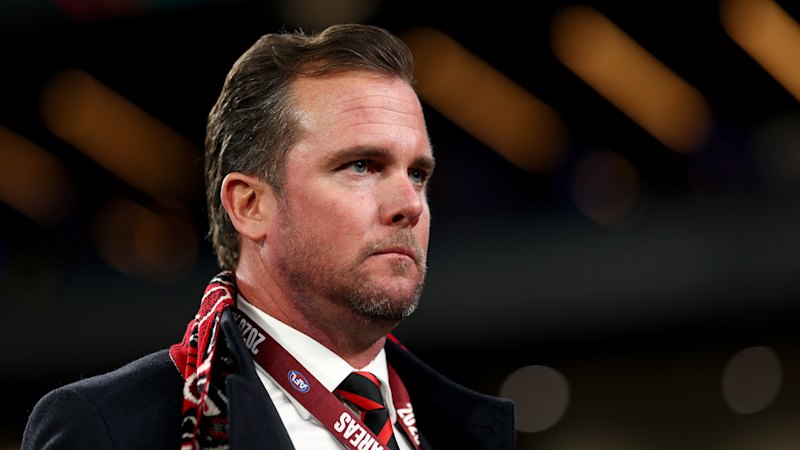
Richmond's 2009 Exhaustive Coaching Search: A Model for AFL Recruitment
An opinion piece examines Richmond's comprehensive two-stage coaching search process in 2009 that ultimately selected Damien Hardwick, who led the club to three premierships in four years. The process involved eight initial candidates and a rigorous evaluation of coaching philosophies, tactical knowledge, and team-building approaches. The article argues the process succeeded not only in selecting the right coach but in identifying a strong pool of candidates who collectively became successful AFL coaches.
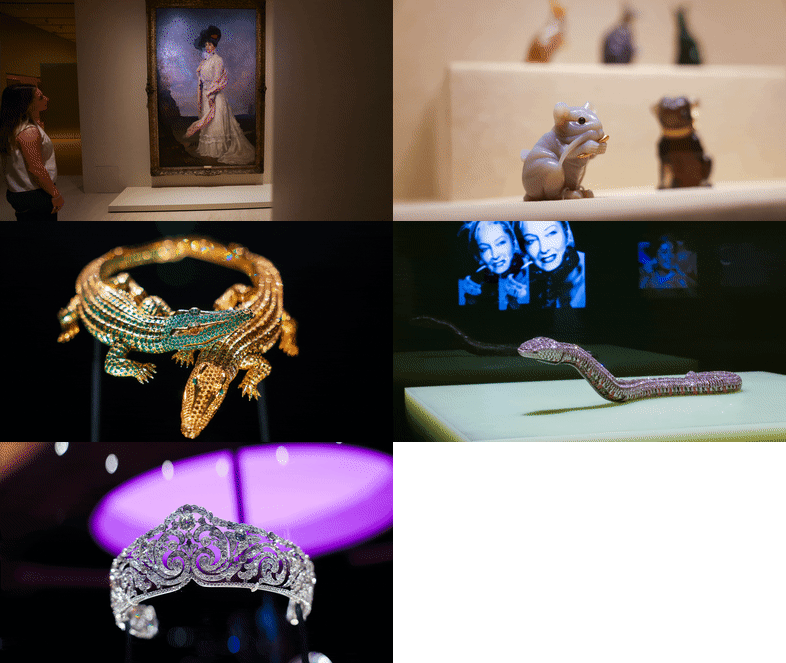
NGV's Cartier Exhibition Showcases Luxury Craftsmanship Amid Questions About Brand-Focused Museum Programming
The National Gallery of Victoria has opened a major Cartier jewelry exhibition featuring hundreds of pieces spanning over a century, originated from London's Victoria & Albert Museum. The show displays exceptional craftsmanship and historical context tracing the brand's evolution from a family business founded in 1847 through its association with royalty, industrialists, and celebrities. The exhibition raises ongoing questions about whether major cultural institutions should dedicate significant space to luxury brand showcases rather than art-focused programming.