Pentagon Official Suggests Human Trafficking Victims May Have Been Killed in Caribbean Boat Strike

A top Pentagon official admitted in classified briefings that some of the 11 people killed in a U.S. military strike on a boat in September 2025 may have been victims of human trafficking rather than drug smugglers. The strike was the first in a Trump administration campaign that has conducted over 60 attacks resulting in more than 200 deaths in the Caribbean and Pacific. The revelation raises questions about the targeting and execution of the operation, which a high-ranking Pentagon official previously called a criminal attack on civilians.
According to The Intercept's reporting based on government sources, a high-ranking Pentagon official acknowledged in classified Capitol Hill briefings that victims of the September 2, 2025 boat strike may have been human trafficking victims. The strike killed 11 people aboard a 40-foot speedboat that departed from Venezuela's Paria Peninsula, making it the deadliest single attack in the Trump administration's campaign against suspected drug smuggling vessels in the Caribbean and Pacific. The unusual crew size—between one and four people typically died in other strikes—prompted questions from lawmakers and military officials about why the boat was so heavily populated. A secret Special Operations aircraft with hidden munitions conducted the strike under orders signed by War Secretary Pete Hegseth, with Admiral Frank Bradley, then head of JSOC, authorizing SEAL Team 6 operators to attack. Military officials watched the operation live from Fort Bragg, North Carolina, and the plane's approach apparently caused the boat to turn back toward Venezuela before the strike occurred.
What's missing
The article does not provide independent confirmation of the Pentagon official's admission from other outlets, official Pentagon statements, or responses from the Trump administration or military leadership to these allegations. The full scope and legal justification for the broader campaign against suspected drug boats, as well as any official investigation into the September 2 strike, is not detailed.
What different sources said
- The InterceptLeft
Top Pentagon Official Admits Boat Strike May Have Killed Victims of Human Trafficking
Related
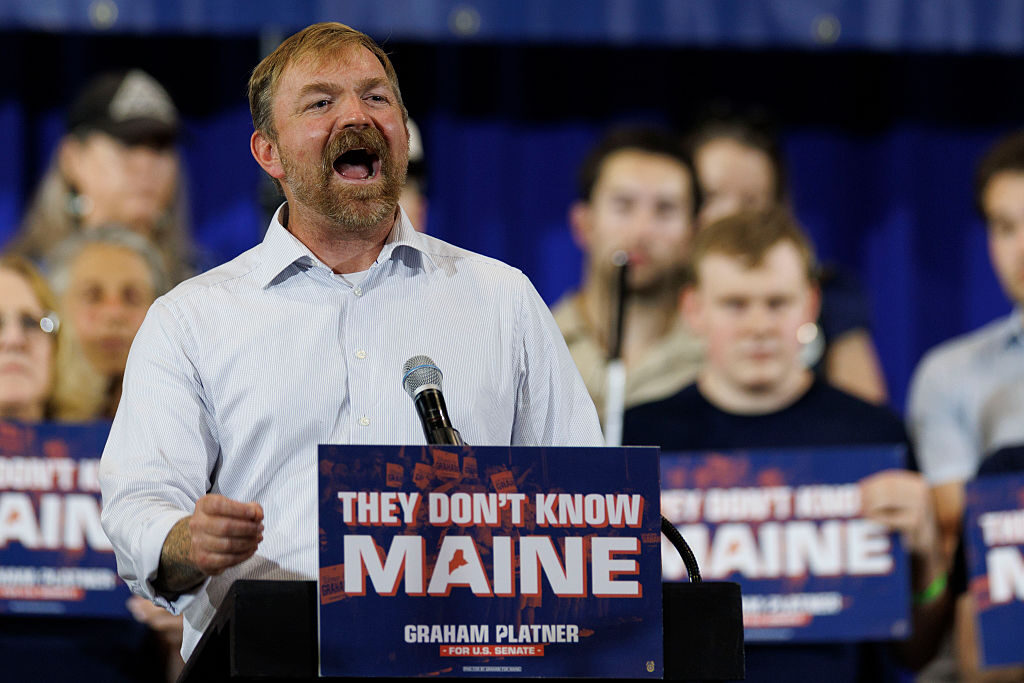
Halfway Through 2026 Primary Season: Six Key Takeaways from Congressional Races
Four more states held primaries this week, bringing the total to 26 states that have completed regular congressional primaries in the 2026 midterm cycle. Key patterns emerging include front-runners not always winning, House members struggling to advance to statewide office, and President Trump's endorsement record remaining largely successful despite low approval ratings. These trends are shaping the competitive landscape for the general election.
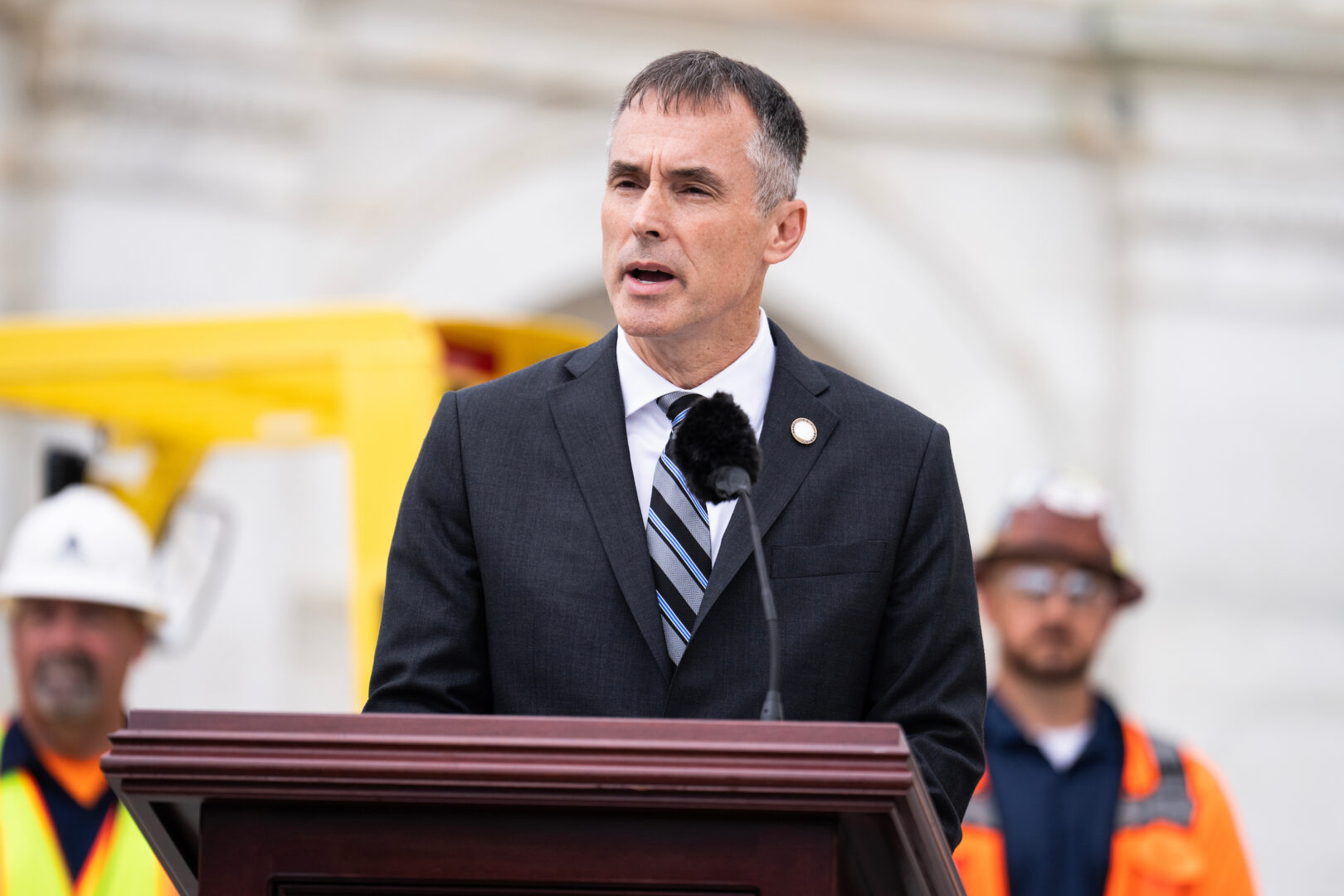
Congress Struggles to Build Support for $9 Billion Rayburn House Office Building Renovation
The Architect of the Capitol is pushing for a major renovation of the Rayburn House Office Building, which could cost $9 billion and last until 2045, but lawmakers remain hesitant to commit to the project. The building, constructed in 1965, is experiencing serious deterioration including 16 major leaks in the past year alone and risks of catastrophic system failure. The challenge reflects a broader political difficulty: Congress has historically been reluctant to fund its own infrastructure, with legislative branch spending averaging just 0.15 percent of total budget authority since 1976.

Study Finds College Faculty Lean Significantly Left, Raising Questions About Campus Ideological Diversity
A study commissioned by the Foundation for Individual Rights and Expression found that college faculty donors have an average ideology score of -1.02, comparable to Senator Bernie Sanders's -1.14, indicating strong leftward lean among faculty. The research cross-referenced over 100,000 faculty members with campaign contribution data, and separate surveys found only 20% of faculty believed a conservative scholar would be welcome in their department. The findings raise concerns about ideological diversity in higher education and its potential influence on student political attitudes.