Over 800 residents petition Joondalup Council to eliminate ratepayer-funded alcohol in councillors' lounge
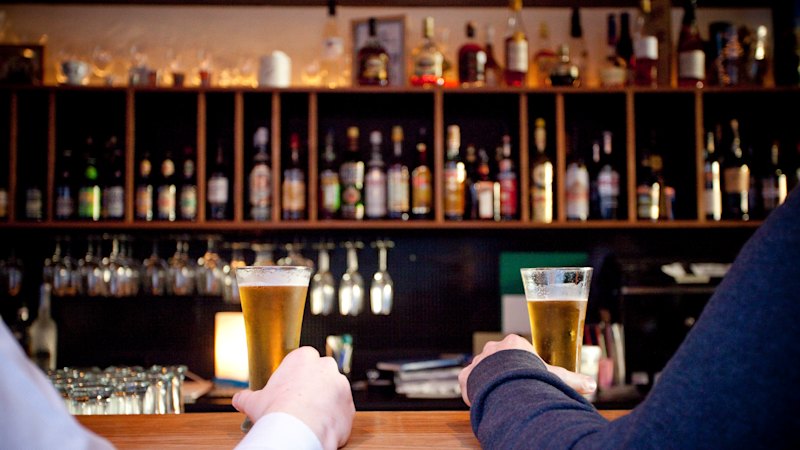
More than 894 residents have signed a petition calling for the City of Joondalup to stop providing alcohol in the elected members' lounge, citing concerns about ratepayers subsidizing what they view as a luxury. The council spends approximately $1,000 annually on alcohol and refreshments, though Mayor Daniel Kingston noted that more than half of the 13 councillors do not drink in the lounge. The petition has prompted the council to reconsider the practice, with residents arguing the alcohol serves no official purpose and represents outdated entitlement.
Residents of Joondalup have launched a successful petition drive, gathering 894 signatures in eight days to pressure their local council into eliminating alcohol from the elected members' lounge. The petition specifically targets ratepayer-funded alcohol consumption outside of formal functions and events, with residents arguing that public money should not subsidize what they characterize as a personal luxury. According to council records, approximately $1,000 is spent annually on alcohol and refreshments, with most bottles—except for a bottle of Sherry—remaining unpurchased since 2024. Mayor Daniel Kingston revealed that seven of the 13 elected members do not consume alcohol in the lounge, and most of these councillors avoid the lounge altogether. The council's newly appointed chief executive, Craig Lloyd, noted that his two previous Victorian councils both had policies opposing alcohol on premises, with rare exceptions only for special events. Residents have emphasized that council policy already prohibits alcohol consumption while councillors are undertaking their official roles, suggesting the alcohol serves no legitimate governmental purpose.
What different sources said
- Sydney Morning HeraldCenter
More than 800 locals sign petition to cut off Joondalup councillors’ alcohol
Related
Halfway Through 2026 Primary Season: Six Key Takeaways from Congressional Races
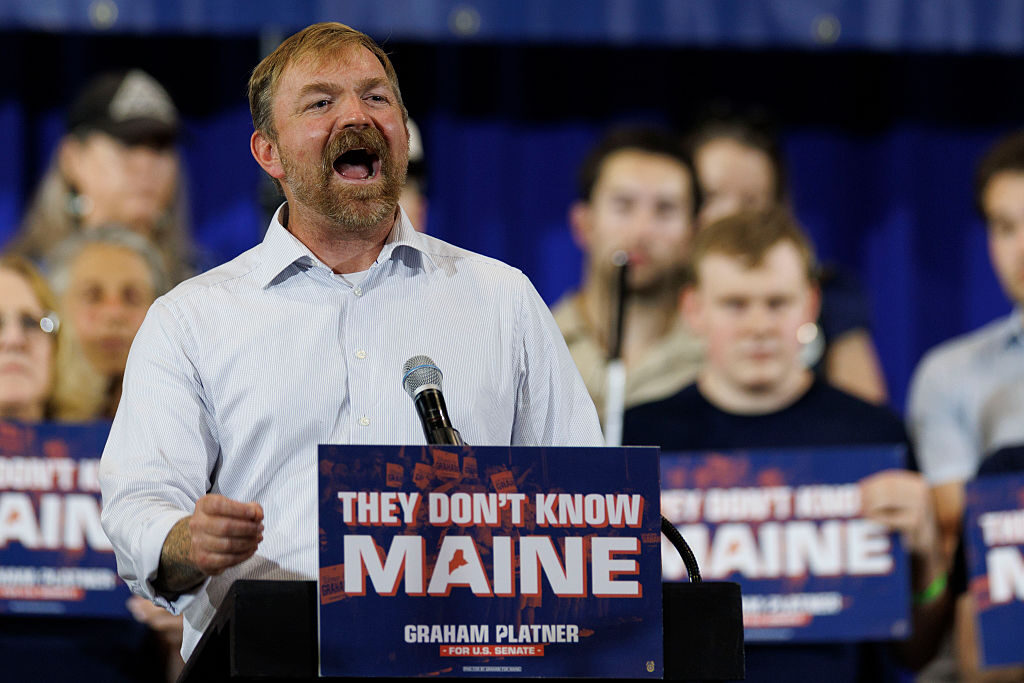
Four more states held primaries this week, bringing the total to 26 states that have completed regular congressional primaries in the 2026 midterm cycle. Key patterns emerging include front-runners not always winning, House members struggling to advance to statewide office, and President Trump's endorsement record remaining largely successful despite low approval ratings. These trends are shaping the competitive landscape for the general election.
Congress Struggles to Build Support for $9 Billion Rayburn House Office Building Renovation
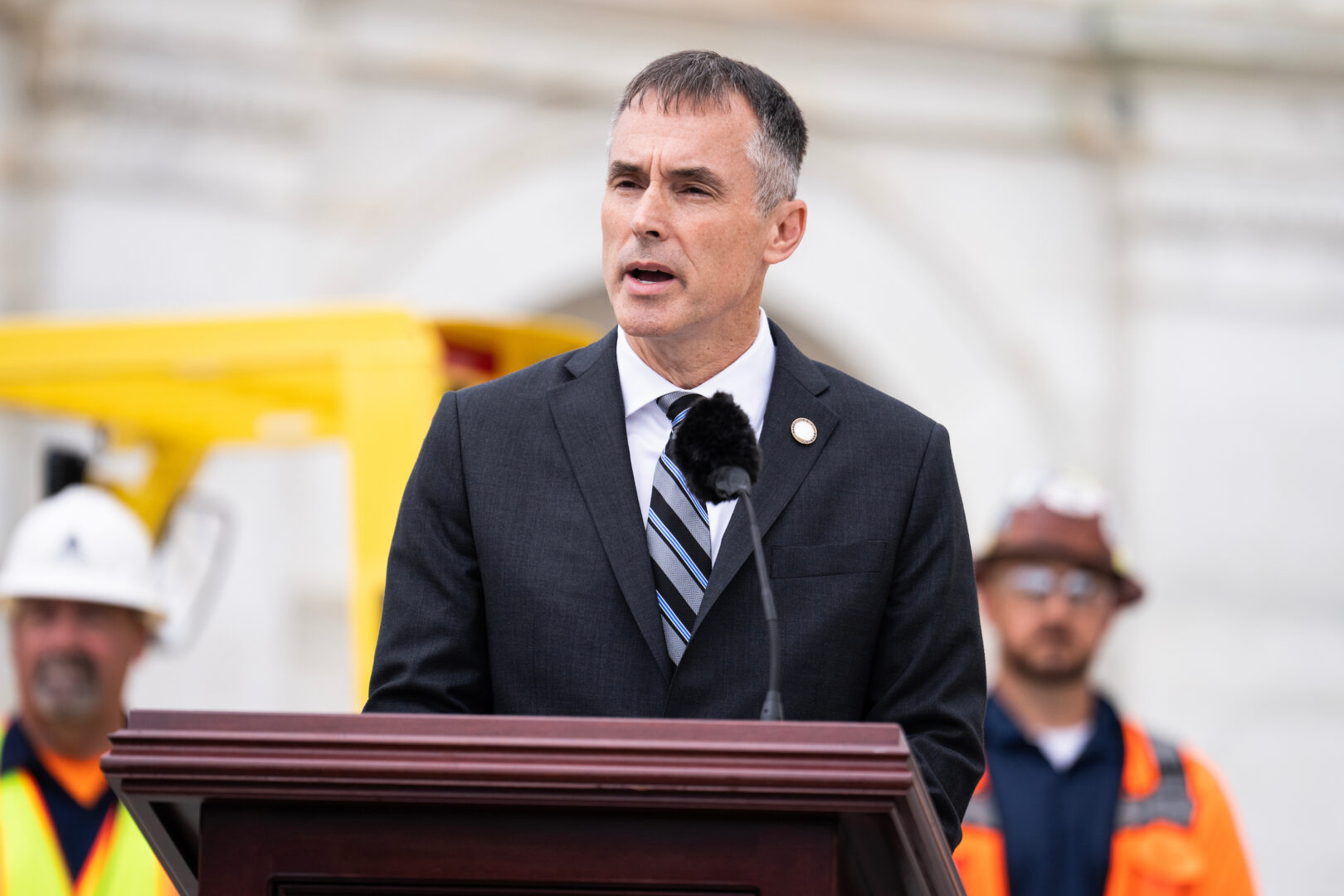
The Architect of the Capitol is pushing for a major renovation of the Rayburn House Office Building, which could cost $9 billion and last until 2045, but lawmakers remain hesitant to commit to the project. The building, constructed in 1965, is experiencing serious deterioration including 16 major leaks in the past year alone and risks of catastrophic system failure. The challenge reflects a broader political difficulty: Congress has historically been reluctant to fund its own infrastructure, with legislative branch spending averaging just 0.15 percent of total budget authority since 1976.

Study Finds College Faculty Lean Significantly Left, Raising Questions About Campus Ideological Diversity
A study commissioned by the Foundation for Individual Rights and Expression found that college faculty donors have an average ideology score of -1.02, comparable to Senator Bernie Sanders's -1.14, indicating strong leftward lean among faculty. The research cross-referenced over 100,000 faculty members with campaign contribution data, and separate surveys found only 20% of faculty believed a conservative scholar would be welcome in their department. The findings raise concerns about ideological diversity in higher education and its potential influence on student political attitudes.