Oman Invests $4.2 Billion in Agriculture Development to Boost Food Security
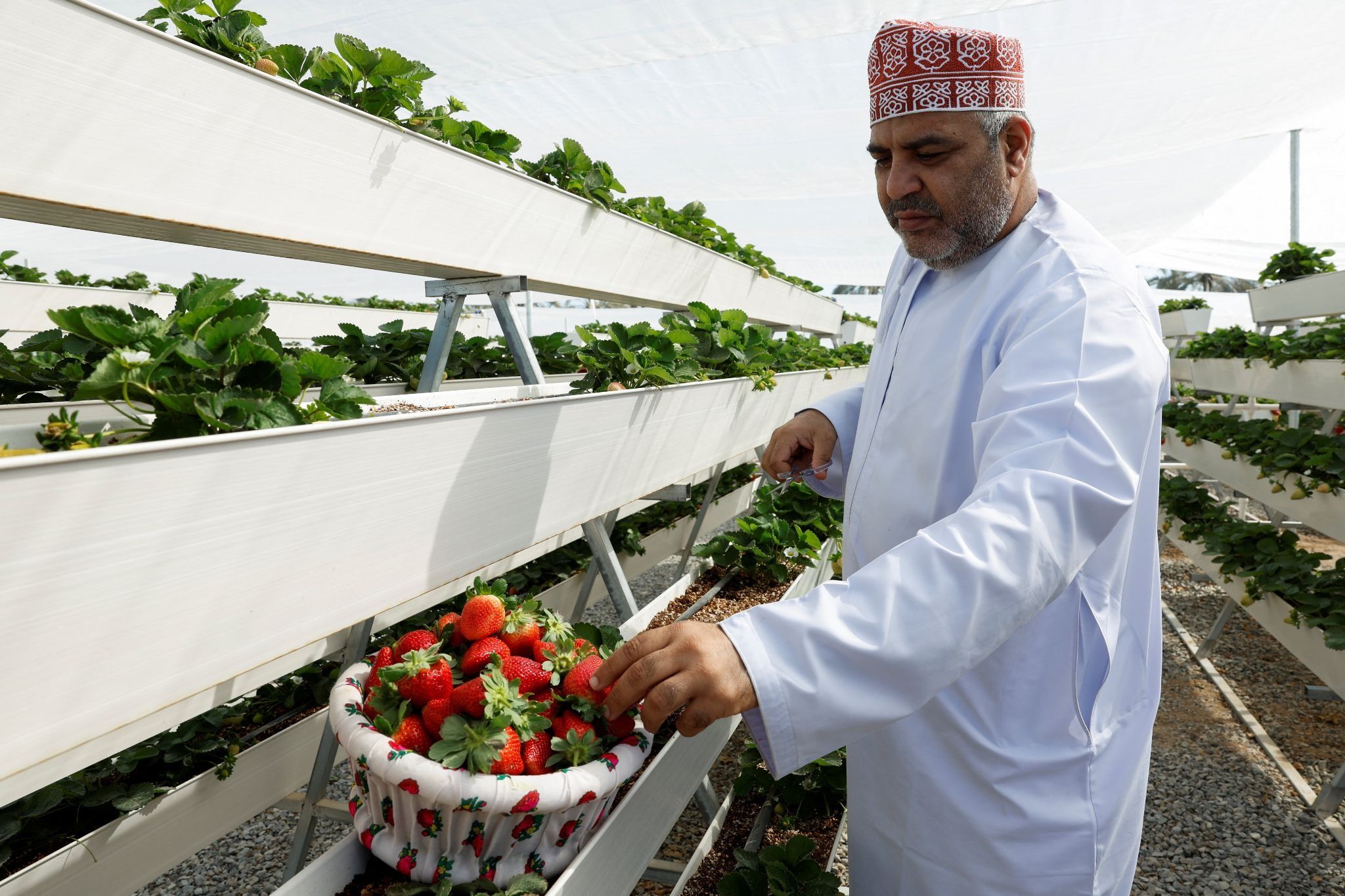
Oman has launched a $4.2 billion agriculture development project in the Batinah region designed to feed 25,000 people as part of efforts to reduce import dependence. The initiative is part of a broader strategy to achieve food self-sufficiency, with the country aiming to produce 80% of its own food by 2040. This investment reflects the critical challenge Gulf nations face in achieving food security due to harsh climate conditions and limited water resources.
Oman has begun a major $4.2 billion agriculture development project in the Batinah region, which officials say could provide food for 25,000 people. The project is part of the country's wider effort to reduce its dependence on food imports and achieve 80% food self-sufficiency by 2040. Beyond this single project, Oman's agriculture ministry has invested more than $2 billion in approximately 400 food security projects in recent years, expanding arable land by 50,000 square kilometers. The government has also established cloud seeding stations, primarily in Batinah and northern areas, which officials claim have increased rainfall by 14%. The ministry plans to commit an additional 200 million rials this year to continue these efforts, addressing the persistent challenge of food security in Gulf countries where harsh climate and limited water resources make agricultural production difficult and expensive.
What's missing
The sources do not provide independent verification of the claimed 14% rainfall increase from cloud seeding or details on the methodology used to measure this impact. Additionally, there is no information on the timeline for the $4.2 billion project's completion or specific crop types planned for production.
What different sources said
- SemaforCenter
Oman pours money into food security with $4.2B agriculture development
Related

UK Government to Extend Shop Closure Powers to 12 Months Following BBC Investigation into Illegal Mini-Marts
The UK government announced new powers allowing authorities to close illegal mini-marts, barbers, and vape shops for up to 12 months, doubling the current maximum closure period of six months. The change follows a BBC News investigation exposing drug gangs, money laundering, and other organized crime linked to shops selling illegal cigarettes, vapes, and drugs on British high streets. The measure aims to give investigators more time to gather evidence and prevent rogue operators from quickly reopening, with support from Trading Standards officers who have long lacked sufficient enforcement tools.

Belfast Residents Evacuate as Disorder Erupts Following Knife Attack
Residents in Belfast have been forced to flee their homes as cars and houses are set on fire following a knife attack in north Belfast on Monday night. A 30-year-old Sudanese man has been charged with attempted murder, while a victim remains hospitalized with serious injuries. The disorder has prompted police to call for calm as sporadic violence breaks out across Northern Ireland.
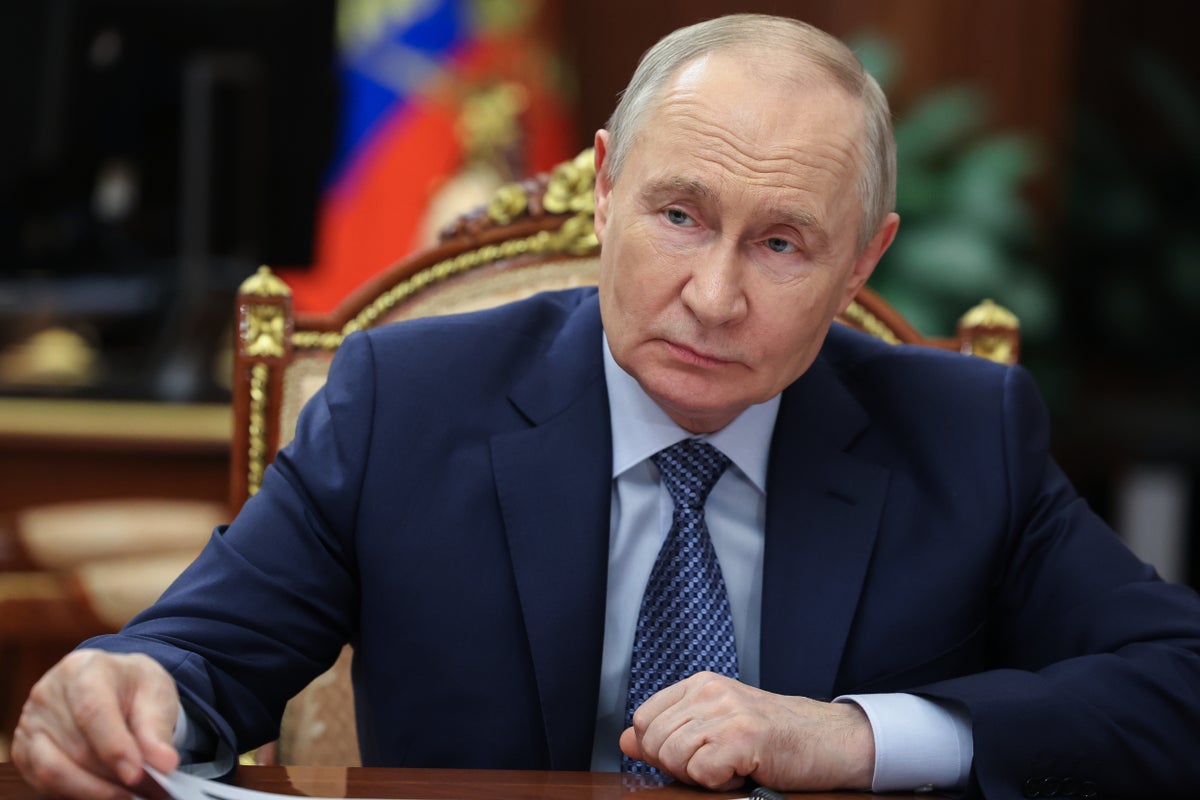
Russian General Killed in Moscow Car Bombing; Ukraine War Escalates with Drone Attacks and EU Sanctions
Damir Davydov, head of Russia's missile and artillery supply operations, was killed in a car explosion in the Moscow region on Tuesday morning, according to officials. The attack occurs amid intensifying Ukrainian drone strikes on Russian infrastructure and military leadership, though Ukraine has not claimed responsibility. The incident underscores the ongoing conflict's expansion into Russian territory and comes as the EU proposes its 21st sanctions package targeting Russian banks and military production.