Oil Prices Remain Surprisingly Moderate Despite Major Supply Disruption
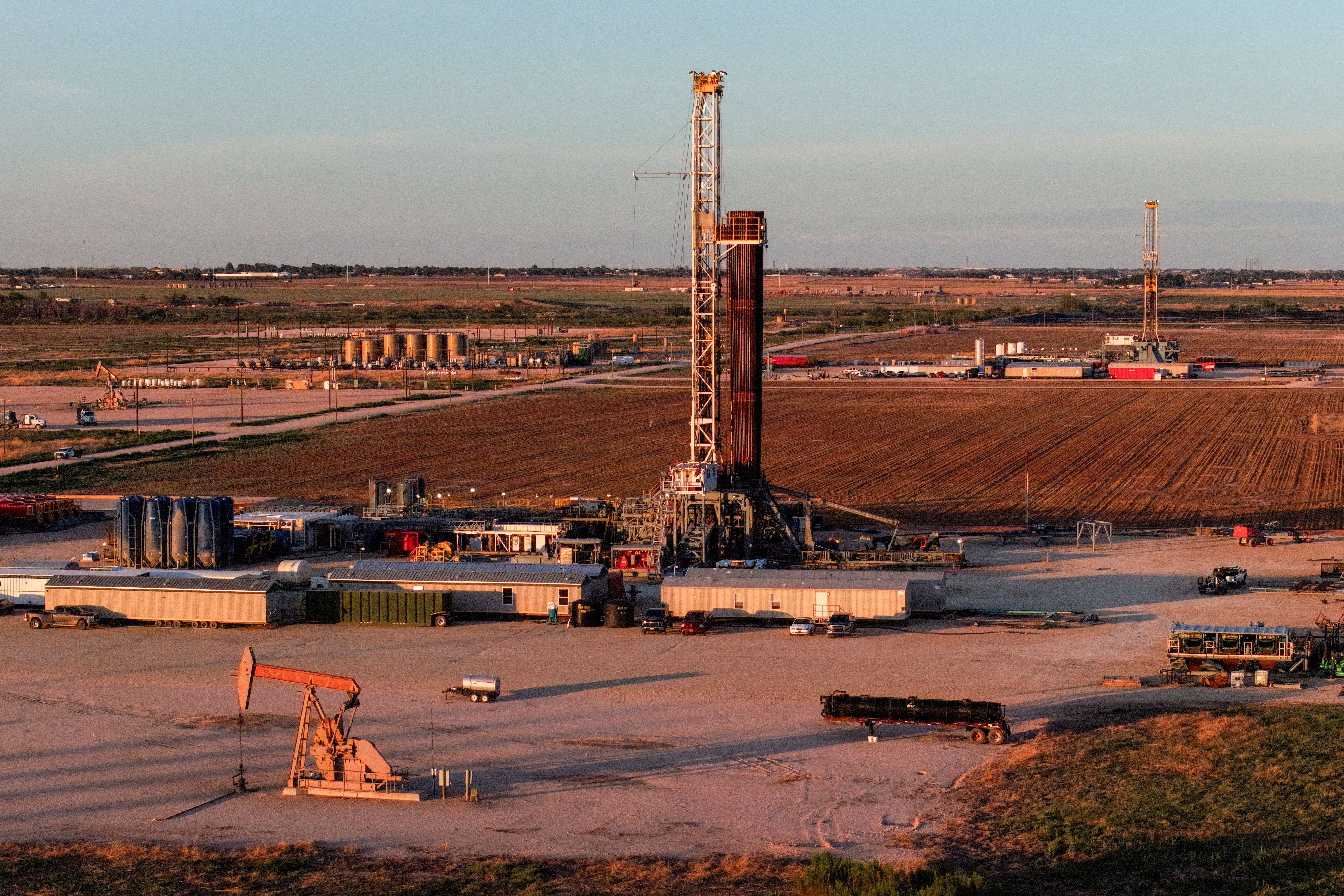
Oil prices are hovering around $95 per barrel despite what analysts describe as the biggest supply disruption in history, roughly 30% above pre-war levels. Multiple factors are keeping prices in check, including alternative pipeline routes, strategic reserve releases, reduced Chinese demand, and demand destruction from high prices themselves. However, analysts warn that temporary buffers are depleting and prices could spike significantly higher if ceasefire negotiations stall.
Oil markets are experiencing an unusual disconnect between supply disruption severity and price response. While the current crisis has created substantial supply constraints, prices remain relatively moderate compared to historical precedents, prompting analysts like JP Morgan's Natasha Kaneva to question whether global oil demand is lower than previously assumed. Several factors are temporarily offsetting supply losses: the UAE and Saudi Arabia are routing crude through pipelines bypassing the Strait of Hormuz, China has reduced its stockpiling purchases, countries released strategic reserves, and demand has naturally fallen as consumers respond to higher prices. However, these buffers are finite. Brookings Institution analysis suggests the gap between available supply and normal flow could double from 3.3 million to 6.4 million barrels per day by July. Analysts including ExxonMobil executives and veteran analyst Bob McNally warn that prices could reach $150 per barrel if ceasefire negotiations fail to progress, with additional complications from demining efforts and insurance concerns potentially delaying any return to normal flows.
What different sources said
- SemaforCenter
Why isn’t oil more expensive?
Related
U.S. Markets Stage Rebounds Following Chip Stock Selloff
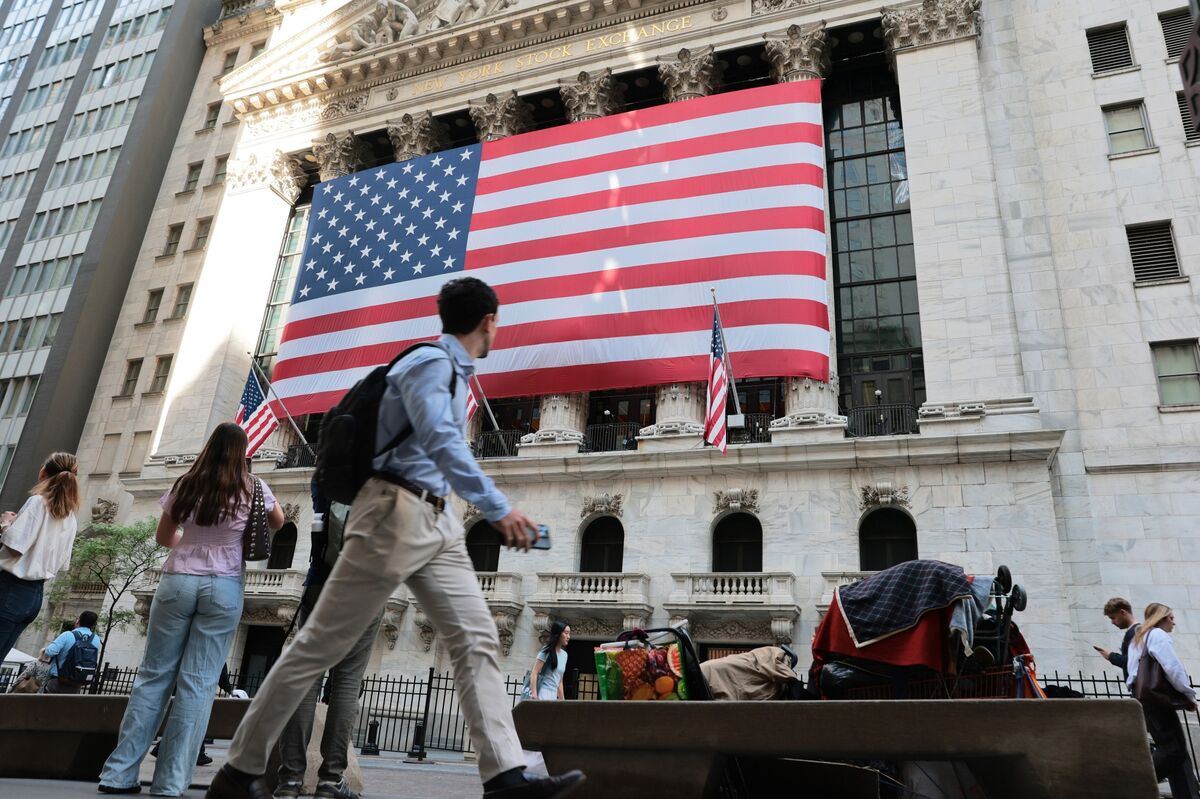
U.S. markets have rebounded twice following a dramatic Friday selloff in chip stocks, with gains at Monday's open and Tuesday afternoon. The Nasdaq 100 remains down 4.25% for the month despite the recoveries, and volatility has increased sharply. The pattern reflects the market's traditional 'buy the dip' behavior as investors resist giving up recent gains.
Japan's 30-Year Bond Auction Sees Weakest Demand in Over a Year
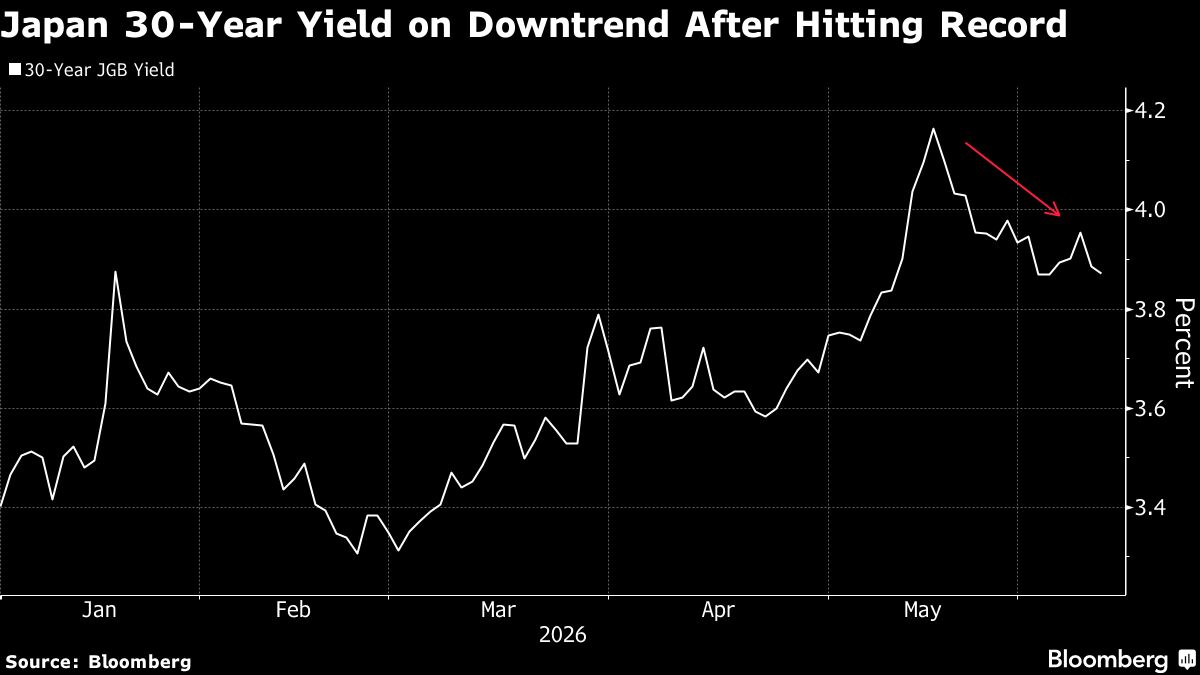
Japan's 30-year government bond auction on June 10, 2026 attracted the weakest demand since June 2025, with a bid-to-cover ratio of 2.94 compared to the previous 3.49. The decline reflects investor concerns over inflation and fiscal policy, as well as falling yields reducing appetite for the bonds. Weak bond demand can signal investor anxiety about Japan's economic outlook and fiscal sustainability.
HKEx CEO Bonnie Chan Calls Potential SpaceX Listing an 'Exciting Deal'
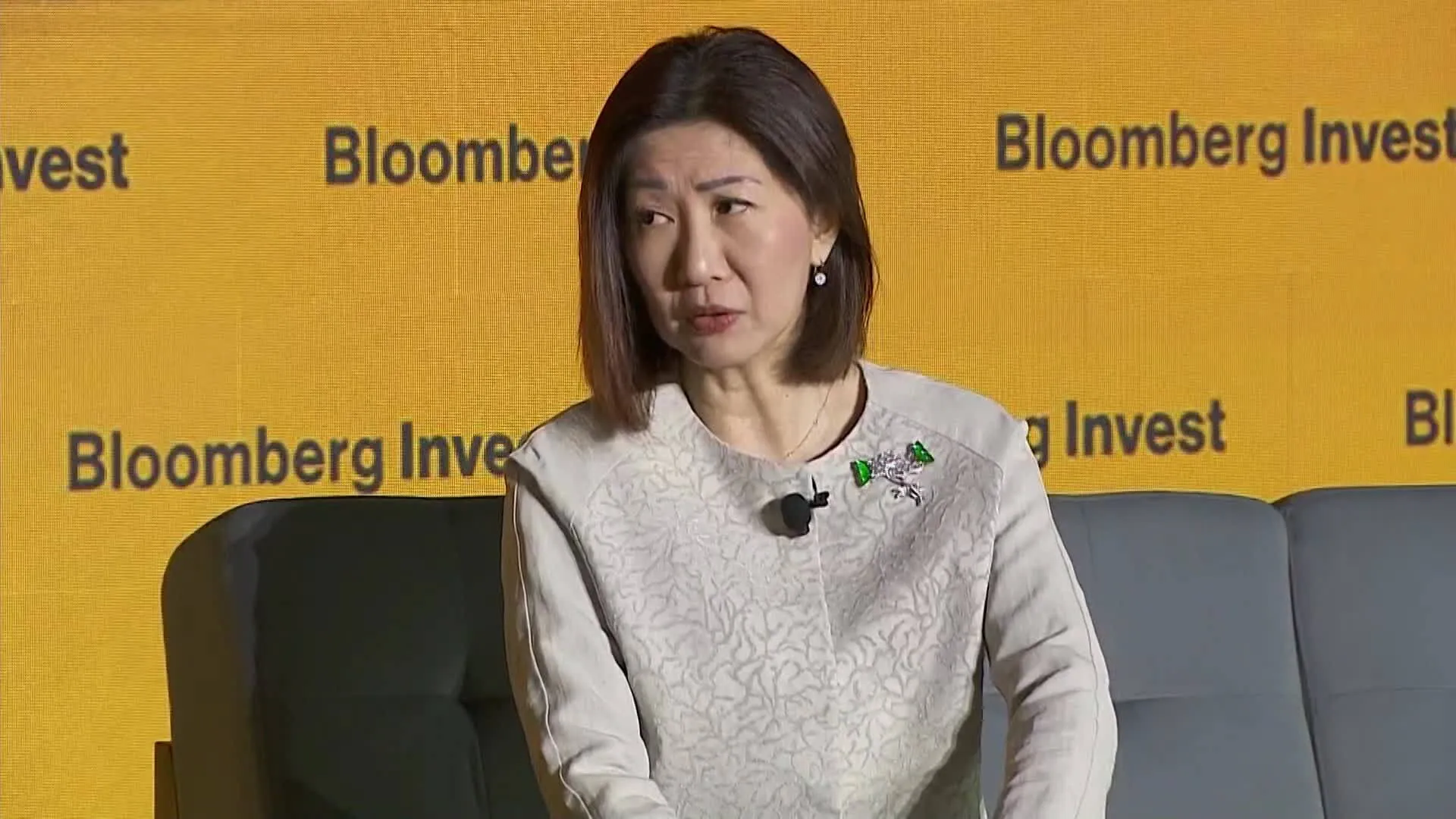
Hong Kong Exchanges and Clearing (HKEx) CEO Bonnie Chan expressed enthusiasm about a potential SpaceX listing, describing it as an exciting opportunity. Chan highlighted that Chinese supply chains have broad coverage relevant to such a deal. The statement suggests HKEx's interest in attracting major space industry companies to its exchange.