Ohio Approves Photo ID Requirements for Mail-In Voting and Constitutional Amendment
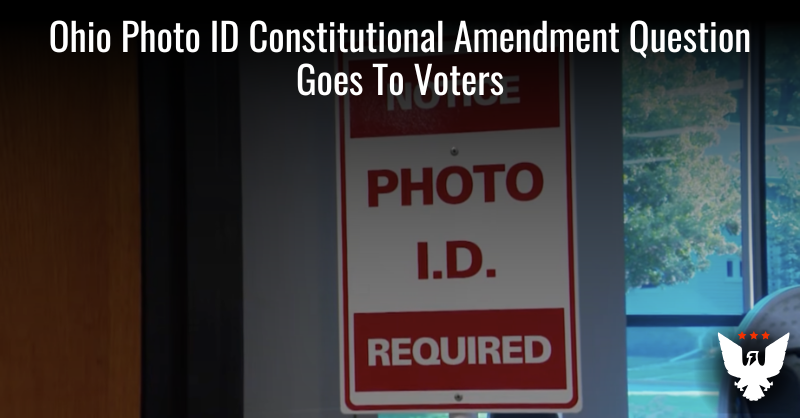
The Ohio Republican-controlled legislature has approved two election measures: a bill requiring photo ID for absentee ballots (House Bill 472) and a constitutional amendment enshrining in-person photo ID requirements, which will go before voters in November. The constitutional amendment does not cover mail-in voting, prompting the separate legislation that includes exemptions for military members, overseas voters, people with disabilities or severe medical conditions, former inmates, and those with sincere religious objections. The measures represent a significant expansion of Ohio's voter identification framework, though critics on both sides question whether the approach is comprehensive or could create new barriers for voters.
Ohio's Republican-led legislature passed two election-related measures this month: House Bill 472, which adds a photo ID requirement for absentee ballot returns and takes effect in November 2027, and Senate Joint Resolution 10, a constitutional amendment enshrining existing in-person photo ID requirements that Ohio voters will decide on in November 2026. Under HB 472, absentee voters must include a copy of a valid photo ID when mailing back their ballot or present one when delivering it in person; the bill also creates a new online absentee ballot application portal. Current Ohio law allows absentee voters to verify identity using the last four digits of their Social Security number or a driver's license number, requirements that will remain for requesting a ballot but not for returning one. Several categories of voters are exempt from the new return requirement, including military and overseas voters, those with severe medical conditions or disabilities, former inmates, and voters with sincere religious objections or significant material obstacles to obtaining a photo ID. The constitutional amendment was advanced separately because the resolution's language does not cover mail-in voting — a gap some Republicans called a loophole — and President Trump publicly urged the House to pass the resolution via Truth Social, where his post received over 17,000 likes. Democrats and election officials have warned the changes could disenfranchise seniors and other groups who rely on absentee voting, while some conservative critics argue the numerous exemptions undermine the legislation's election integrity goals. Both measures now await Governor Mike DeWine's signature on HB 472, while the constitutional amendment heads to a statewide referendum.
What's missing
None of the sources provide data on how many Ohio absentee voters fall into the exempt categories, which would help assess the practical scope of the new requirements. Additionally, independent analysis of whether the exemption framework is legally durable or likely to face court challenges is absent from all sources.
How coverage differed
The Federalist framed the legislation skeptically from a conservative election-integrity standpoint, emphasizing criticism from right-leaning activists who argued the exemptions and process were 'ass backwards' and amounted to political performance rather than genuine reform. The Washington Examiner and Washington Times covered the measures more straightforwardly as policy news, giving roughly equal weight to Republican justifications and Democratic objections without the internal GOP dissent angle that The Federalist highlighted.
What different sources said
- Washington ExaminerRight
Ohio adds photo ID requirement for mail-in ballots in 2027
- The FederalistRight
Ohio Photo ID Constitutional Amendment Question Goes To Voters
- Washington TimesRight
Ohio poised to add photo ID requirements for mail-in voting
Related

Workers Begin Removing Trump's Name from Kennedy Center Facade After Court-Ordered Deadline
Workers started stripping President Trump's name from the exterior of the Kennedy Center in Washington overnight Friday into Saturday, hours past a court-ordered deadline of 11:59 p.m. Friday. The delay was attributed to nearby thunderstorms, and the Kennedy Center's board sought a 12-hour extension, which U.S. District Judge Christopher Cooper had already denied after rejecting the board's last-minute attempt to halt the order. The removal marks a significant legal rebuke of the Trump administration's effort to rename the historic performing arts venue, with a court ruling that only Congress has the authority to change the Kennedy Center's name.
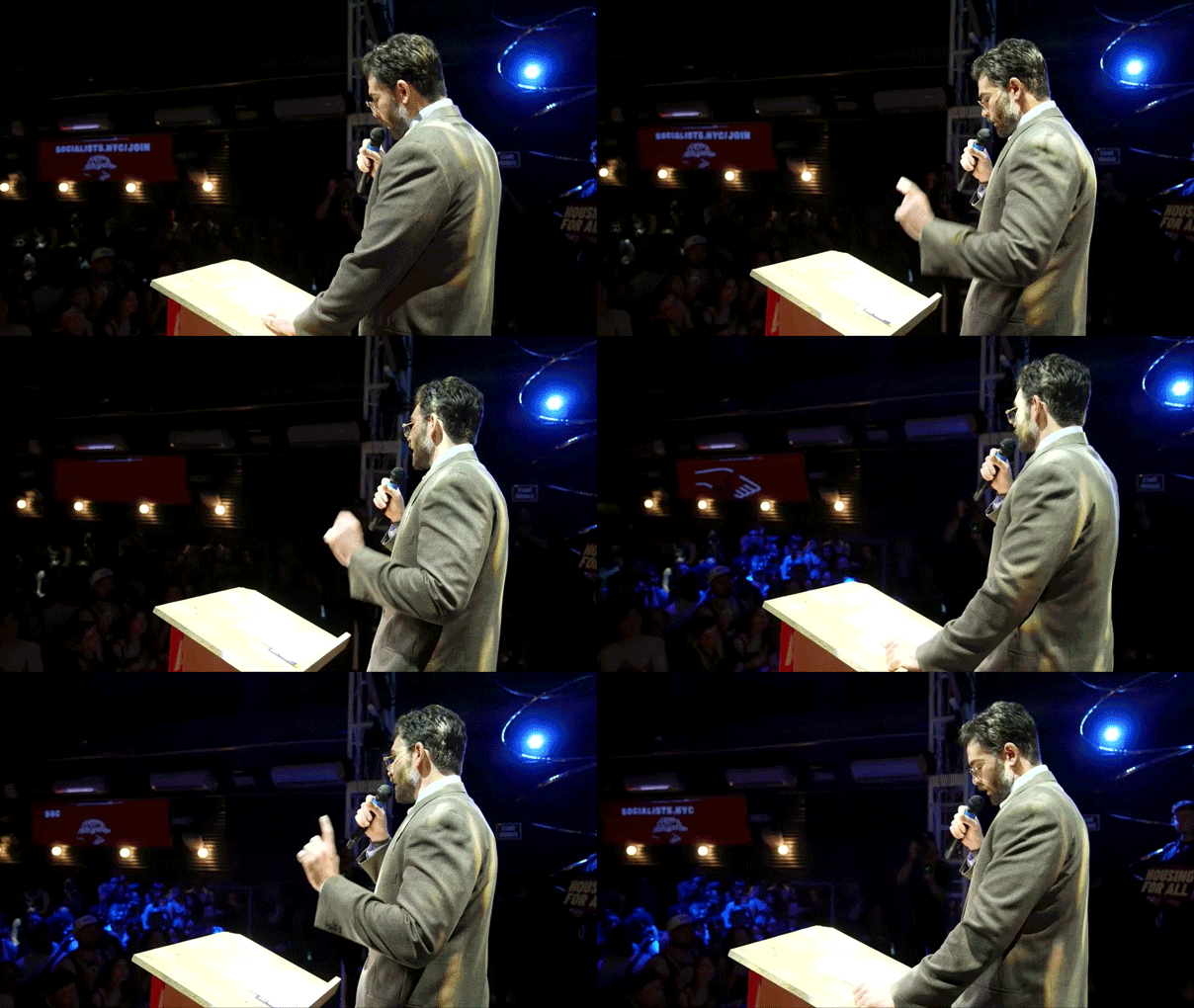
Hasan Piker Campaigns for DSA-Backed NYC Candidates, Sparking Debate Over Democratic Party Direction
Twitch streamer Hasan Piker rallied in Brooklyn for two Democratic Socialist of America-endorsed congressional candidates ahead of New York's June 23 primary, declaring the country is 'closer than ever' to socialism. The appearances come amid a broader debate within the Democratic Party over whether to embrace or distance itself from Piker, whose pro-Palestinian views and provocative statements have made him a polarizing figure. The controversy highlights a growing tension between the party's centrist establishment and its increasingly left-leaning base, particularly on foreign policy.
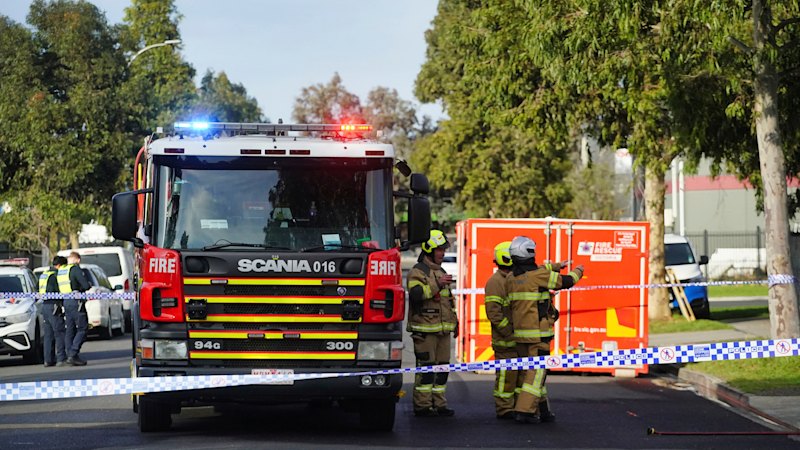
Fire Rescue Victoria Has Missed Emergency Response Targets Every Year Since 2020, With Outer Suburbs Worst Affected
Fire Rescue Victoria (FRV) has failed to meet its target of responding to 90 per cent of structural fires within seven minutes and 42 seconds in every year since its formation in 2020, with outer suburban areas recording the worst performance. The shortfall has come into sharp focus following the death of three-year-old Jordan Dashwood in a Werribee house fire this month, where the nearest FRV truck was committed to another incident and the first responders arrived well outside the benchmark time. The findings raise serious questions about whether the 2020 fire services restructure has been adequately resourced to protect Melbourne's rapidly growing outer suburbs.