Nordic Countries, Particularly Norway, Emerging as Global AI Infrastructure Hub Due to Renewable Energy Advantages
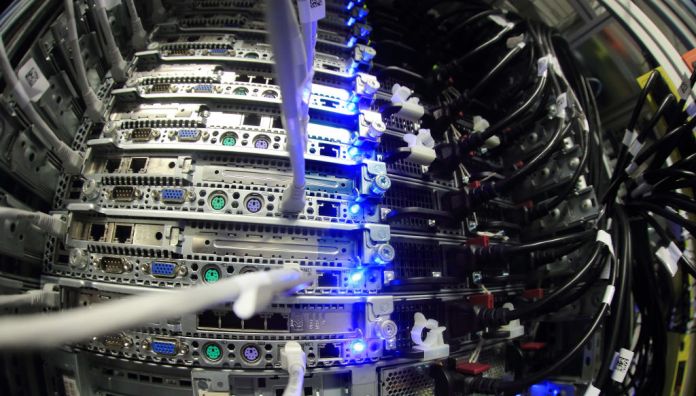
Norway and other Nordic nations are positioning themselves as major AI infrastructure centers by leveraging abundant renewable energy, particularly hydropower, which provides cost-effective and carbon-free computing power. Major tech companies like Microsoft are committing billions to build AI data centers in the region, with projects like Stargate Norway expected to house 100,000 GPUs by 2026. This shift reflects a broader strategic advantage as global AI demand for electricity surges and competing markets face grid constraints and regulatory challenges.
Norway and the Nordic region are capitalizing on their abundant renewable energy resources—particularly hydropower, which generates roughly 98% of Norway's electricity—to become a global AI infrastructure superpower. Major investments are already underway, including Microsoft's $6.2 billion commitment to AI infrastructure powered by 100% renewable energy and the Stargate Norway project, a consortium effort expected to deploy 100,000 GPUs by 2026. The region's advantages extend beyond energy availability: its cool climate reduces expensive cooling costs, subsea fiber networks provide low-latency connections to global markets, and political stability appeals to European nations seeking "sovereign AI" capabilities independent of foreign-controlled infrastructure. Norway's data center market is projected to grow from $1.15 billion in 2025 to over $2 billion by 2030, with annual capacity expansion exceeding 22%. While local concerns about land use and energy allocation persist, the trajectory suggests a structural shift in where global AI computing infrastructure will be concentrated.
What's missing
The article does not provide comparative analysis of competing regions' renewable energy capacity or cost structures (e.g., Iceland, Canada, or other hydropower-rich nations also positioning themselves for AI infrastructure). Additionally, specific details on the environmental impact of tripling data center capacity by the early 2030s and reaching 15 terawatt-hours by 2040 are not discussed beyond the assertion that Norway can absorb growth without destabilizing its energy system.
What different sources said
- Washington ExaminerRight
Why the Nordics are emerging as the world’s AI infrastructure superpower
Related
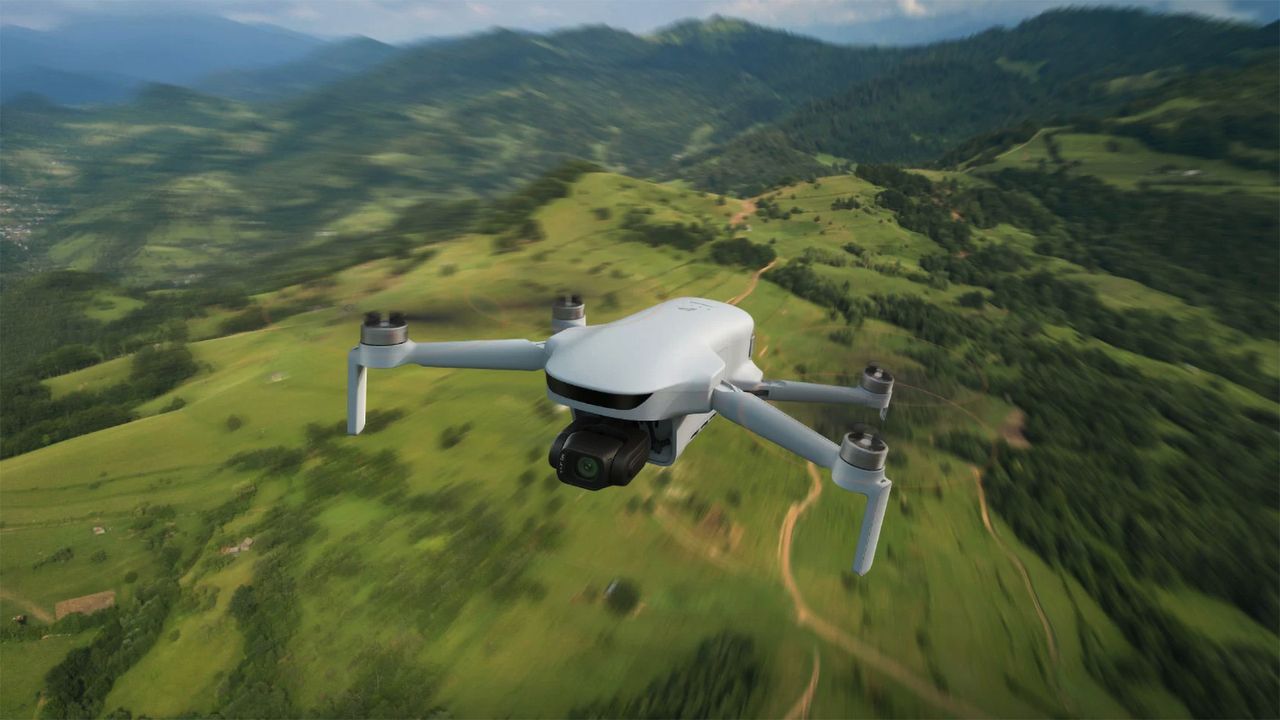
Potensic Atom 3 Drone Offers DJI Alternative for Global Markets, But Faces US Import Ban
Potensic has released the Atom 3, an upgraded beginner drone featuring a larger sensor, 4K 60fps video, improved battery life, and AI tracking capabilities at competitive pricing ($429.99-$549.99). The drone competes directly with DJI's Lito X1 but faces the same regulatory barriers as DJI in the US market due to a ban on foreign-made drones. The availability restrictions highlight ongoing US trade restrictions on Chinese drone manufacturers and limit consumer choice in the American market.

Wing and Walmart Expand Drone Delivery to Seven Additional U.S. Cities
Alphabet-owned Wing and Walmart are expanding their drone delivery partnership to seven new U.S. cities including Memphis, New Orleans, Philadelphia, Phoenix, San Diego, the San Francisco Bay Area, and Salt Lake City. The expansion is part of a plan to reach over 270 Walmart locations by next year, building on successful deployments in Atlanta, Dallas-Fort Worth, and Houston. The move signals that drone delivery is transitioning from a novelty service to a mainstream logistics option, with Wing having completed over 1 million commercial deliveries.

Anthropic CEO Calls for FAA-Style Regulation of Powerful AI Models
Anthropic CEO Dario Amodei published an essay calling for government regulation of powerful AI models, comparing the approach to FAA oversight of commercial aviation. The proposal includes mandatory third-party testing for frontier models and potential government authority to block or delay their deployment if they pose safety risks. The call comes as Anthropic released Claude Fable 5 and an updated Claude Mythos 5 model with advanced cybersecurity capabilities.