New World Screwworm Detected in Southern US; Multiple States Issue Movement Restrictions
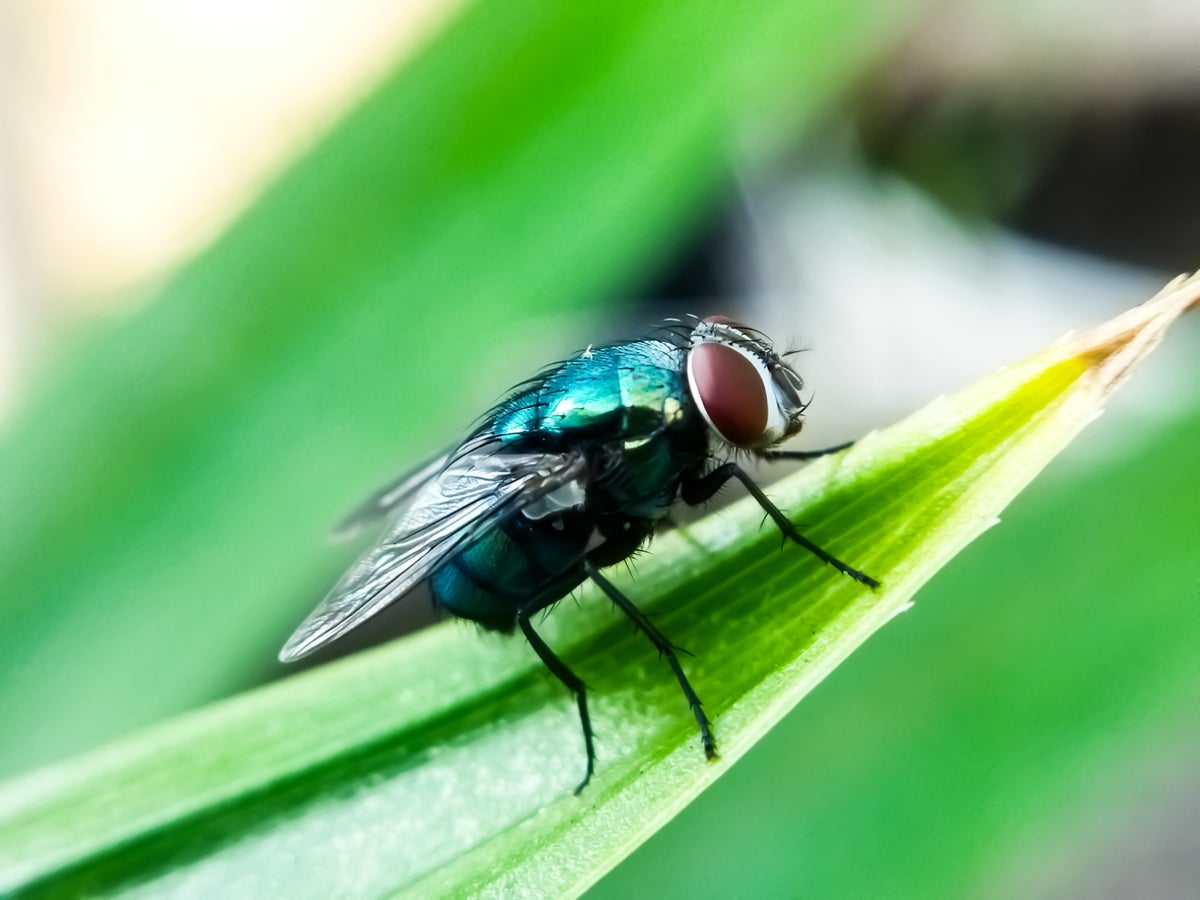
The New World Screwworm, a parasitic insect eradicated from the U.S. over 40 years ago, has been identified in Texas livestock, prompting emergency rules across multiple southern states restricting the movement of warm-blooded animals. The parasite lays eggs in open wounds of animals like cattle, with maggots consuming healthy flesh and creating breeding opportunities. The outbreak threatens livestock industries and wildlife across the region, requiring coordinated federal, state, and agricultural responses.
The U.S. Department of Agriculture confirmed on June 3 that New World Screwworm infestations had been identified in Texas livestock. In response, Florida, Louisiana, Texas, New Mexico, and Arkansas have all implemented or announced restrictions on the movement of warm-blooded animals, particularly from known infestation zones. Florida Agriculture Commissioner Wilton Simpson issued an emergency rule tightening restrictions on importing animals from high-risk areas, while Louisiana implemented rules requiring Official Certificates of Veterinary Inspection for animals traveling through infestation zones. Texas Governor Greg Abbott issued a disaster proclamation on June 5, declaring a state of disaster for all Texas counties due to the threat posed to the state's wildlife and livestock industry. The parasite, which was eradicated from the U.S. more than four decades ago, poses a serious threat to livestock, wildlife, and domestic animals, particularly in warm-climate states with abundant animal populations. Officials across affected states are urging livestock producers and travelers to monitor animals for signs of infestation and report findings to state veterinary authorities.
What different sources said
- The IndependentLeft
Spread of flesh-eating parasites sparks new rules in Southern US
Related

Study Links Glucosamine Supplement to Faster Alzheimer's Progression in People with Mild Cognitive Impairment
Researchers at the University of Florida found that people with mild cognitive impairment who took glucosamine were 25% more likely to progress to dementia, and glucosamine users with Alzheimer's disease showed a 25% increase in mortality risk. The study analyzed health records from over 4,600 patients combined with brain imaging and mouse models, published in Nature Metabolism. The findings suggest glucosamine may interfere with metabolic processes already disrupted in Alzheimer's disease, though researchers emphasize the results do not prove causation and require confirmation through clinical trials.

Father's Personal Account of Infant Son's Death Leads to Rare Lung Disease Diagnosis and New Genetics Lab
Owen, born in September 2021, died from alveolar capillary dysplasia (ACD) after weeks in the NICU despite initial whole genome sequencing that missed the diagnosis. The case prompted geneticist Paweł Stankiewicz to reanalyze Owen's genome post-mortem, discovering a 91 kilobase DNA deletion affecting FOXF1 expression critical for lung development. The father's account describes launching Gamow Labs, apparently motivated by this experience to improve genetic diagnostics for critically ill infants.

Clinicians Rapidly Adopting AI in Healthcare, Outpacing Organizational Support
A Philips-commissioned report surveying over 2,000 clinicians across 10 countries found that healthcare professionals are embracing AI tools faster than hospitals can provide training and support. Clinicians report significant time savings (averaging 132 hours annually), improved workflow efficiency, and reduced stress, with 80% expressing optimism about AI's impact on patient outcomes. The mismatch between clinician demand and organizational readiness raises questions about governance, privacy, and equitable implementation of AI in healthcare systems.