New World Screwworm Cases Confirmed in Texas as USDA Launches Eradication Effort
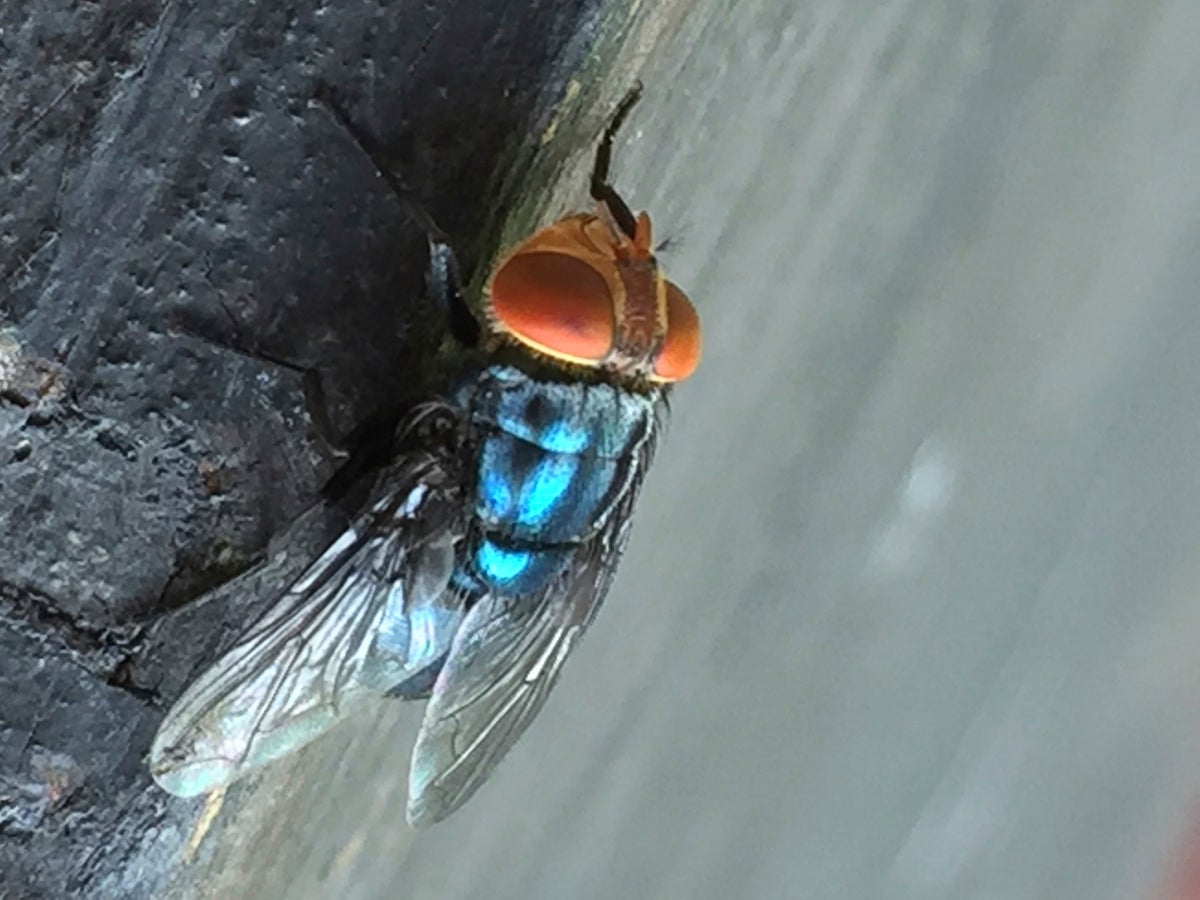
The U.S. Department of Agriculture confirmed four cases of New World screwworm in Texas, including two newly identified cases in a calf and dog located hundreds of miles apart. The screwworm, a parasitic fly whose larvae consume living flesh, was eliminated from the U.S. in the 1960s but re-emerged after being detected in Mexico in late 2024. The USDA is responding with sterile fly breeding programs and increased production capacity to prevent a widespread outbreak that could devastate the cattle industry.
Four cases of New World screwworm have been confirmed in Texas, with two additional cases announced Monday by the USDA, bringing the total from an initial two cases discovered in young calves in La Salle and Andrews counties. The screwworm is a parasitic fly whose larvae feed on living flesh of warm-blooded animals, including cattle, wildlife, pets, and occasionally humans, after females deposit eggs in open wounds. The pest was successfully eliminated from the United States in the 1960s but re-emerged after decades of containment when it was detected in Mexico in late 2024. The USDA is responding with a multi-pronged approach, including breeding sterile male flies that mate with wild females to prevent reproduction, and plans to increase sterile fly production at facilities outside the U.S. while constructing a new fly factory in Texas. USDA Secretary Brooke Rollins was scheduled to be briefed on the infestation at the U.S. Livestock Insects Research Laboratory in Kerrville, Texas.
What different sources said
- The IndependentLeft
A parasite that devours living flesh is spreading in Texas—and officials are racing to stop it
Related

Study Links Glucosamine Supplement to Faster Alzheimer's Progression in People with Mild Cognitive Impairment
Researchers at the University of Florida found that people with mild cognitive impairment who took glucosamine were 25% more likely to progress to dementia, and glucosamine users with Alzheimer's disease showed a 25% increase in mortality risk. The study analyzed health records from over 4,600 patients combined with brain imaging and mouse models, published in Nature Metabolism. The findings suggest glucosamine may interfere with metabolic processes already disrupted in Alzheimer's disease, though researchers emphasize the results do not prove causation and require confirmation through clinical trials.

Father's Personal Account of Infant Son's Death Leads to Rare Lung Disease Diagnosis and New Genetics Lab
Owen, born in September 2021, died from alveolar capillary dysplasia (ACD) after weeks in the NICU despite initial whole genome sequencing that missed the diagnosis. The case prompted geneticist Paweł Stankiewicz to reanalyze Owen's genome post-mortem, discovering a 91 kilobase DNA deletion affecting FOXF1 expression critical for lung development. The father's account describes launching Gamow Labs, apparently motivated by this experience to improve genetic diagnostics for critically ill infants.

Clinicians Rapidly Adopting AI in Healthcare, Outpacing Organizational Support
A Philips-commissioned report surveying over 2,000 clinicians across 10 countries found that healthcare professionals are embracing AI tools faster than hospitals can provide training and support. Clinicians report significant time savings (averaging 132 hours annually), improved workflow efficiency, and reduced stress, with 80% expressing optimism about AI's impact on patient outcomes. The mismatch between clinician demand and organizational readiness raises questions about governance, privacy, and equitable implementation of AI in healthcare systems.