New WHO-backed research outlines strategies to prevent postpartum hemorrhage deaths

A three-part series published in The Lancet, co-authored by WHO physicians, identifies postpartum hemorrhage as the leading cause of maternal death and proposes a comprehensive set of interventions to address it. The condition affects 27 million women annually and kills 43,000, with mortality rates more than 200 times higher in low-resource countries than in wealthy ones. Researchers say adopting existing tools — including calibrated blood-collection drapes, standardized treatment protocols, and simulation-based team training — could reduce deaths by more than 95%.
A sweeping three-part Lancet series published by WHO researchers and collaborators lays out the scale of postpartum hemorrhage (PPH) and evidence-based strategies to combat it. PPH is the leading cause of maternal death globally, killing approximately 43,000 women per year and affecting 27 million annually. A key finding is that the rate of PPH does not differ significantly between high- and low-income countries — what differs is the quality and speed of response. A large trial spanning Nigeria, Kenya, Tanzania, and South Africa involving more than 200,000 women tested early detection using calibrated blood-collection drapes combined with clear treatment criteria and simultaneous interventions, yielding a significant decrease in severe bleeding. The series also highlights logistical barriers in lower-resource settings, such as the need to refrigerate the frontline drug oxytocin, and calls for pit-crew-style simulation training for entire care teams. Researchers estimate that investing even 5% of the current cost of managing PPH into prevention would save both lives and money. Experts not involved in the research called the series a significant call to action and expressed optimism that eliminating PPH as the leading cause of maternal death is achievable within this decade.
What different sources said
- NPR NewsLeft
What would it take to stop women from bleeding to death after childbirth?
Related

Chicago Woman's Five-Year Symptom Journey Leads to Rare Brain Tumor Diagnosis
Melony Aponte, 26, was diagnosed with a 4.5-centimeter acoustic neuroma after five years of symptoms she attributed to stress, COVID-19, and aging. The rare, noncancerous tumor—affecting roughly one in 100,000 people—had grown large enough to compress her hearing and balance nerve before it was identified via MRI in March 2025. Her case highlights how acoustic neuroma symptoms can mimic common conditions, potentially delaying diagnosis for years.
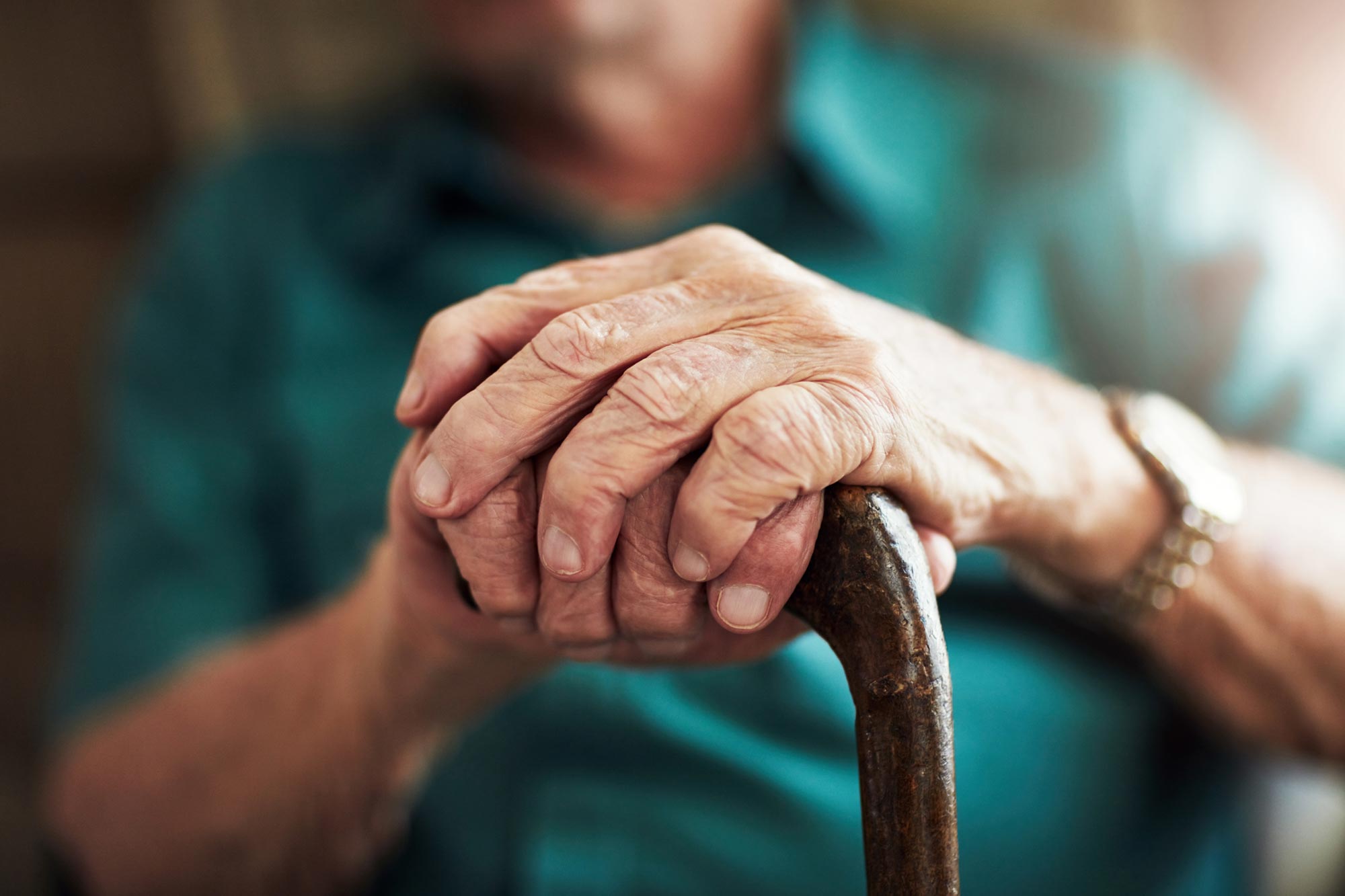
Study Finds Aging Shifts Walking Strategy Toward Stability at the Cost of Efficiency
A new study from Flinders University and the University of Canberra found that as people age, their bodies adopt a 'safety-first' walking pattern that prioritizes balance over efficient movement. Researchers analyzed gait data from 107 healthy adults aged 26 to 86, identifying increased ankle muscle co-contraction and reduced push-off power as key age-related changes. The findings suggest that fall prevention programs should target balance and coordination, not just muscle strength.

Tick Populations Surge in Urban Areas Across Northeast
Experts across the northeastern United States and Canada are warning of an unusually early and widespread tick season, with disease-carrying ticks increasingly found in urban parks and green spaces. Lyme disease cases in Canada reached a record 7,105 in 2025, up from 5,809 the previous year, while U.S. cities including Philadelphia, Pittsburgh, Washington D.C., and New York are reporting rising tick activity. The expansion poses a public health challenge because urban residents are less likely to take tick-bite precautions than those in rural areas.