New Framework Reveals Language Model Agents Struggle with Collaboration Despite Individual Competence
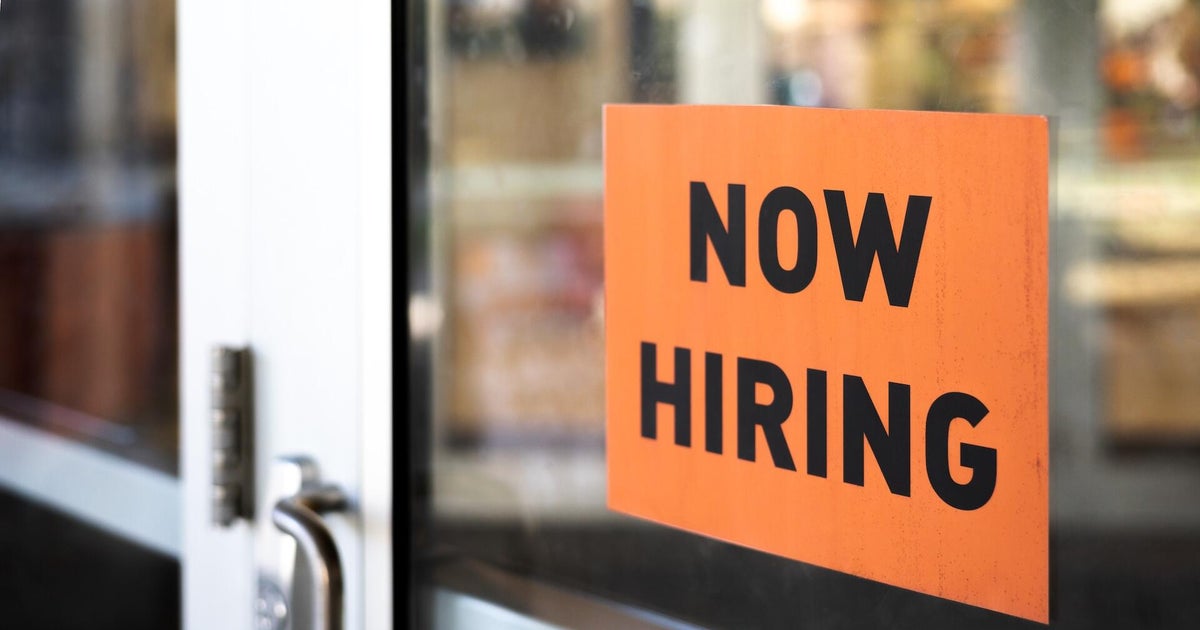
As artificial intelligence becomes more prevalent across industries, workplace experts and researchers are identifying the human skills — including empathy, critical thinking, relationship-building, and ethical judgment — that remain difficult for AI to replicate. Experts from organizations including Jobs for the Future, Harvard Business School, Gartner, and McKinsey argue that so-called 'durable skills' hold their value across technological shifts, and employers are increasingly seeking them even in technical roles. The findings suggest that workers who cultivate distinctly human capabilities may be better positioned to remain indispensable as AI tools become more widespread.
Amid growing worker anxiety about AI-driven job displacement, workplace experts are pointing to a set of human capabilities they say AI cannot easily replicate: empathy, relationship-building, conflict resolution, critical thinking, ethical conscience, and judgment in ambiguous situations. Maria Flynn of Jobs for the Future coined the term 'durable skills' to describe capabilities that retain value across economic and technological disruptions, noting that even technical job listings increasingly demand communication and leadership. Harvard Business School professor Marco Iansiti highlighted the irreplaceable human connection in caregiving roles, while Gartner analyst Colleen Adler noted that AI has yet to mimic the emotional tone of genuine human interaction. A Stanford study published in the journal Science found that AI chatbots affirmed users' actions 49% more often than humans did, underscoring the need for human critical thinking to check AI outputs. McKinsey's Heather Stefanski warned that over-reliance on AI for problem-solving risks eliminating the distinctiveness that makes individuals and organizations competitive. CBS News separately reported that the AI era is reviving demand for liberal arts skills while reducing the premium on traditional technical skills. Separately, a preprint on arXiv introduced PathoSage, an AI framework for computational pathology that itself relies on structured evidence adjudication to reduce the kind of hallucination and conflicting-evidence problems that human critical thinking is meant to catch.
What's missing
The articles rely heavily on expert opinion and a single cited study; no large-scale labor market data or longitudinal research is provided to quantify how much demand for these 'durable skills' has actually increased in job postings or wages, nor is there evidence on which specific occupations or income levels are most affected.
What different sources said
- arXiv cs.CLCenter
One Model, Multiple Goals: Adaptive Multi-Objective Learning for E-commerce Dialogue Systems
- AP NewsCenter
The skills people still perform better than AI, according to workplace experts
- Yahoo FinanceCenter
AI Is Changing What Companies Need from Leaders — Here’s What Matters Most Now
- CBS NewsCenter
More employers seeking critical thinking skills amid AI rise
- Phys.orgCenter
The skills people still perform better than AI, according to workplace experts
- Yahoo FinanceCenter
More Companies Use ‘Backdoor’ Job References to Counter AI
Related
Gut Bacteria Enzyme Found to Break Down Heat-Processed Food Compounds, Producing Novel Biogenic Amines
Researchers have discovered that an enzyme in common gut bacteria can degrade N-epsilon-carboxymethyllysine (CML), a compound formed during thermal food processing, producing previously unknown biogenic amines. The enzyme, ornithine decarboxylase SpeC from enterobacteria, acts on CML and related modified lysine derivatives through a low-level 'underground' catalytic activity. This finding suggests a previously unrecognized communication axis between thermally processed dietary compounds and gut microbial physiology, with potential implications for host health.
Full-Length Gene Sequencing Reveals Two Distinct Bacterial Communities in Black-Legged Ticks Expanding Into Canada
Researchers used Oxford Nanopore full-length 16S rRNA gene sequencing to characterize the microbiome of Ixodes scapularis black-legged ticks collected in Nova Scotia, Canada, distinguishing between tick-adapted bacteria and environmentally acquired bacteria. The study comes as I. scapularis — the primary vector of Lyme disease — is rapidly expanding northward into Canada due to climate change. The findings suggest that environmentally derived bacteria in tick microbiomes are not mere contamination, which has implications for how tick microbiome data is collected and interpreted across surveillance studies.
Study Identifies Metabolic Link Between Cell Envelope Stress and Biofilm Formation in Bacteria
Researchers have discovered that the metabolite acetyl-CoA directly inhibits enzymes that degrade the bacterial signaling molecule c-di-GMP, connecting cell envelope biosynthesis stress to biofilm formation in Pseudomonas aeruginosa. The study found that sub-inhibitory concentrations of antibiotics targeting early peptidoglycan biosynthesis — but not other antibiotic classes — elevate c-di-GMP levels by reducing phosphodiesterase activity, with acetyl-CoA competing for the enzyme active site. Because the relevant enzyme domain is broadly conserved across bacterial species, this checkpoint mechanism may be widespread and could have implications for understanding antibiotic-induced biofilm responses.