New blood test can detect thousands of genetic conditions in pregnancy without invasive procedures
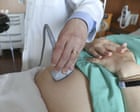
Scientists have developed a maternal blood test called non-invasive fetal sequencing (NIFS) that can detect thousands of serious genetic conditions in a developing fetus with 95–99% accuracy. The test analyzes fragments of fetal DNA circulating in the mother's bloodstream and was validated on 565 pregnancies, identifying variants across nearly 23,000 genes. It could reduce reliance on riskier invasive procedures like amniocentesis, though experts warn that broad screening use could generate anxiety-inducing results of uncertain significance.
Researchers at the Broad Institute of MIT and Harvard have developed a non-invasive fetal sequencing (NIFS) test that uses advanced DNA sequencing of maternal blood to detect thousands of genetic conditions in a fetus, including cystic fibrosis, Noonan syndrome, and achondroplasia. The findings are being presented at the European Society for Human Genetics conference in Gothenburg. In a validation study of 565 pregnancies at an average of 17 weeks gestation, the test identified 95–99% of genetic variants found by invasive methods and more than 97% of clinically relevant variants. Current non-invasive prenatal tests based on fetal DNA are limited to a small number of conditions such as Down's syndrome, while more comprehensive diagnosis has required amniocentesis or chorionic villus sampling — procedures that carry a roughly 1-in-200 risk of miscarriage. Researchers envision NIFS as a frontline tool for pregnancies where an anomaly has already been flagged by ultrasound or other screening. Independent experts praised the technical achievement but cautioned that using the test for broad exploratory screening — rather than targeted diagnosis — could surface genetic variants of unknown significance, potentially causing undue parental anxiety and unnecessary medical intervention.
What's missing
The study has not yet been published in a peer-reviewed journal and is being presented at a conference, so independent replication and full methodological scrutiny are pending. The cost of the test and how healthcare systems would handle the counseling burden of uncertain genetic findings at scale are not addressed.
What different sources said
Blood test can find thousands of genetic conditions in pregnancy, say scientists
Related

Chicago Woman's Five-Year Symptom Journey Leads to Rare Brain Tumor Diagnosis
Melony Aponte, 26, was diagnosed with a 4.5-centimeter acoustic neuroma after five years of symptoms she attributed to stress, COVID-19, and aging. The rare, noncancerous tumor—affecting roughly one in 100,000 people—had grown large enough to compress her hearing and balance nerve before it was identified via MRI in March 2025. Her case highlights how acoustic neuroma symptoms can mimic common conditions, potentially delaying diagnosis for years.

Study Finds Aging Shifts Walking Strategy Toward Stability at the Cost of Efficiency
A new study from Flinders University and the University of Canberra found that as people age, their bodies adopt a 'safety-first' walking pattern that prioritizes balance over efficient movement. Researchers analyzed gait data from 107 healthy adults aged 26 to 86, identifying increased ankle muscle co-contraction and reduced push-off power as key age-related changes. The findings suggest that fall prevention programs should target balance and coordination, not just muscle strength.

Tick Populations Surge in Urban Areas Across Northeast
Experts across the northeastern United States and Canada are warning of an unusually early and widespread tick season, with disease-carrying ticks increasingly found in urban parks and green spaces. Lyme disease cases in Canada reached a record 7,105 in 2025, up from 5,809 the previous year, while U.S. cities including Philadelphia, Pittsburgh, Washington D.C., and New York are reporting rising tick activity. The expansion poses a public health challenge because urban residents are less likely to take tick-bite precautions than those in rural areas.