Nearly 380,000 Canadians Respond to Transport Canada Survey on Bright Headlight Glare

Transport Canada received close to 380,000 responses to a public consultation on vehicle headlight glare conducted between March and April 2026. The survey sought feedback on how bright headlights affect road safety and driver experience, with experts noting that modern LED technology has made headlights significantly brighter than in previous years. The findings are relevant as a federal MP has petitioned the government to modernize headlight regulations, and recent studies show a majority of drivers report glare as a problem.
Transport Canada conducted a public consultation on vehicle headlight glare from March 6 to April 20, 2026, receiving nearly 380,000 anonymous responses—a figure the department describes as a "high volume." The survey asked Canadians about their experiences with nighttime driving, factors contributing to headlight glare, driver behavior, and potential solutions. While newer headlight technology, particularly LED systems, helps drivers see better, Transport Canada acknowledged these brighter lights can negatively affect other road users. The department stated that analysis of the survey data is expected to take several months before releasing a report. Separately, a Bloc Québécois MP has launched a petition calling for modernized federal headlight regulations that would consider human perception of brightness and more strictly regulate LED light characteristics. An American Automobile Association study released in March found that 60 percent of drivers report glare as a problem after dark, with nearly three-quarters believing the issue has worsened over the past decade.
What different sources said
- Global News CanadaCenter
Are headlights too bright? Nearly 380K Canadians told Ottawa their answer
Related
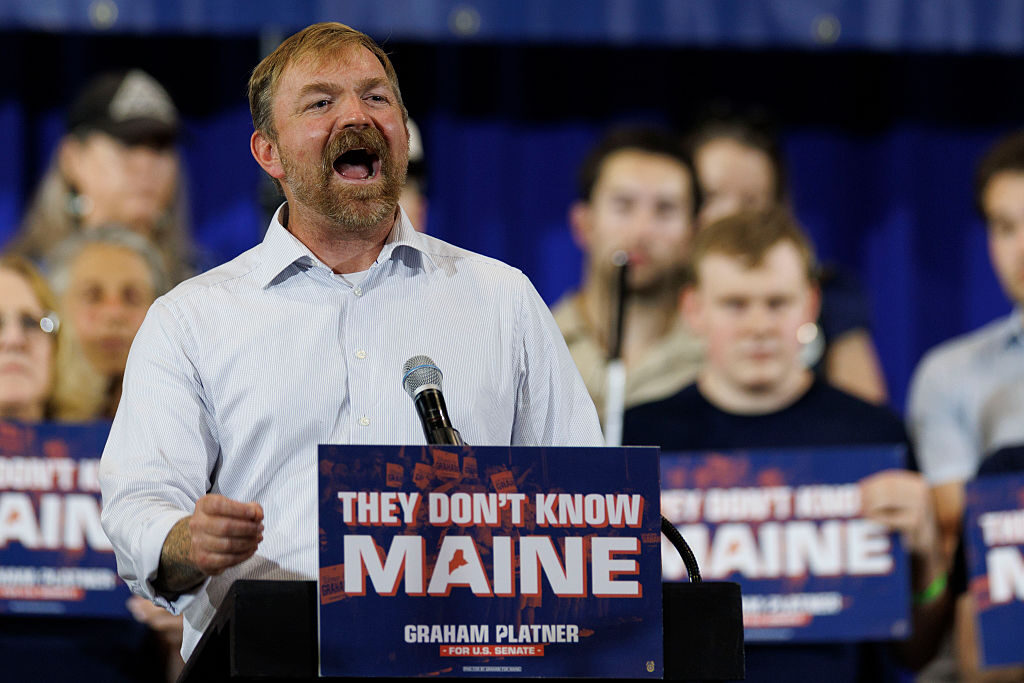
Halfway Through 2026 Primary Season: Six Key Takeaways from Congressional Races
Four more states held primaries this week, bringing the total to 26 states that have completed regular congressional primaries in the 2026 midterm cycle. Key patterns emerging include front-runners not always winning, House members struggling to advance to statewide office, and President Trump's endorsement record remaining largely successful despite low approval ratings. These trends are shaping the competitive landscape for the general election.
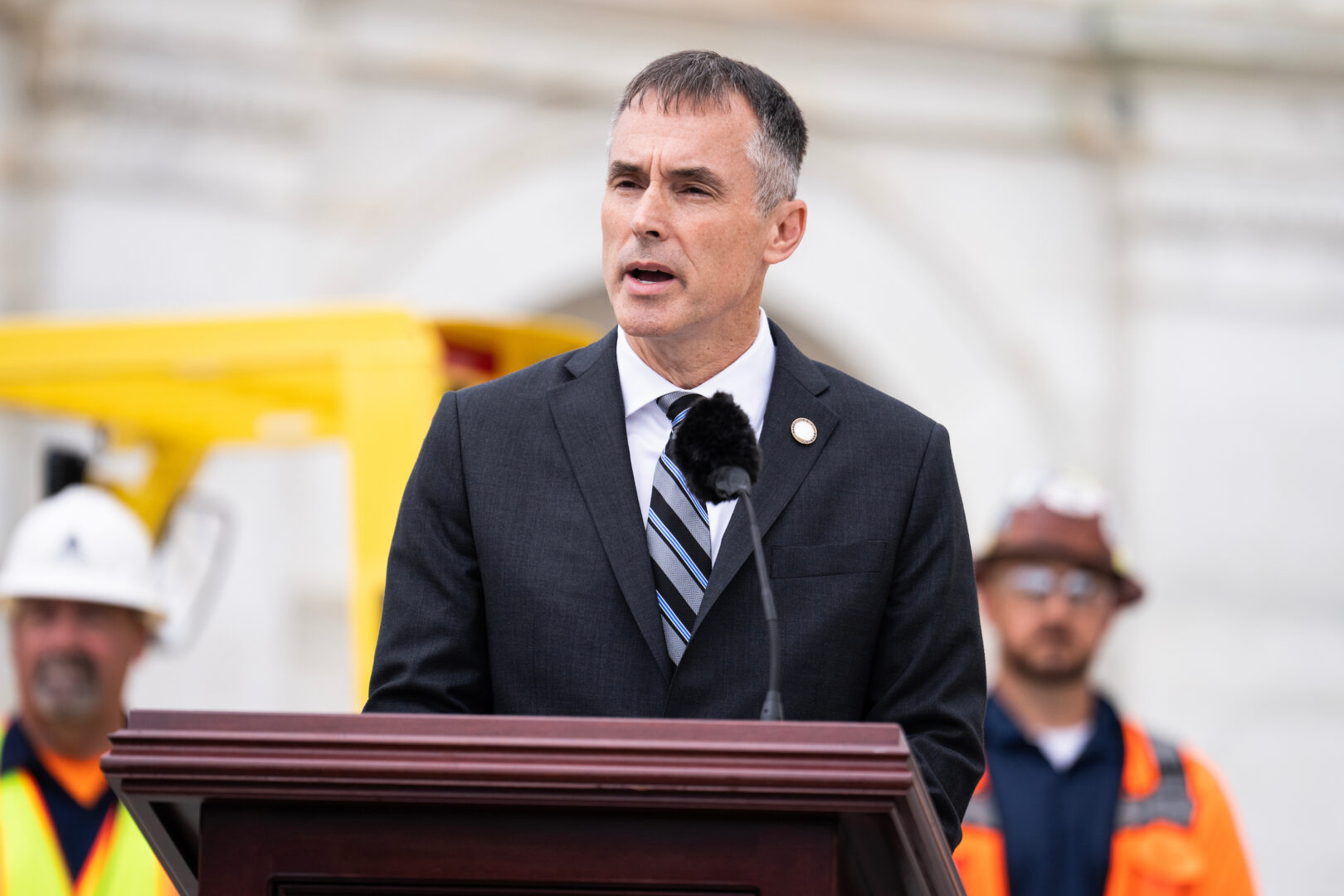
Congress Struggles to Build Support for $9 Billion Rayburn House Office Building Renovation
The Architect of the Capitol is pushing for a major renovation of the Rayburn House Office Building, which could cost $9 billion and last until 2045, but lawmakers remain hesitant to commit to the project. The building, constructed in 1965, is experiencing serious deterioration including 16 major leaks in the past year alone and risks of catastrophic system failure. The challenge reflects a broader political difficulty: Congress has historically been reluctant to fund its own infrastructure, with legislative branch spending averaging just 0.15 percent of total budget authority since 1976.

Study Finds College Faculty Lean Significantly Left, Raising Questions About Campus Ideological Diversity
A study commissioned by the Foundation for Individual Rights and Expression found that college faculty donors have an average ideology score of -1.02, comparable to Senator Bernie Sanders's -1.14, indicating strong leftward lean among faculty. The research cross-referenced over 100,000 faculty members with campaign contribution data, and separate surveys found only 20% of faculty believed a conservative scholar would be welcome in their department. The findings raise concerns about ideological diversity in higher education and its potential influence on student political attitudes.