NATO to Gradually Reduce Troop Levels in Kosovo Over Next Year
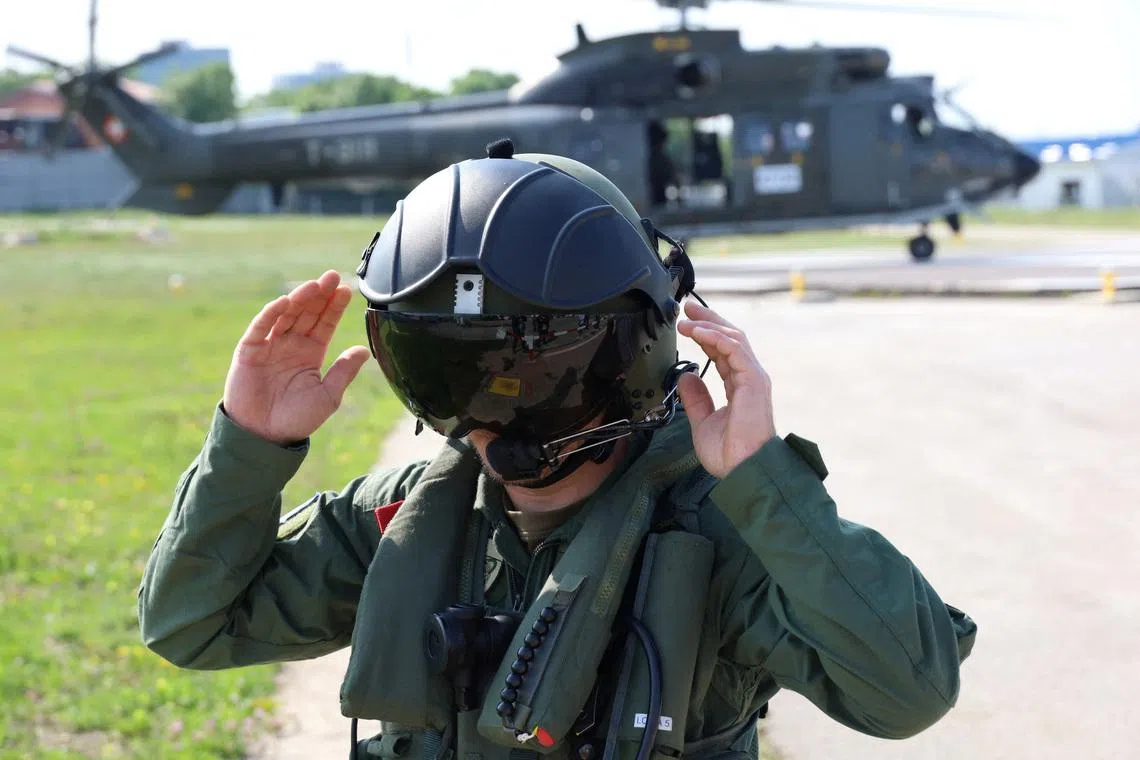
NATO announced plans to gradually reduce the size of its Kosovo Force (KFOR) peacekeeping mission over the next year, citing improved security conditions in the country. KFOR has been deployed in Kosovo since June 1999, following NATO air strikes that ended the Kosovo war, and currently comprises around 4,600 troops. The drawdown signals growing confidence in local security institutions, though NATO stressed the reductions could be reversed if conditions deteriorate.
NATO announced on Friday that it will gradually adjust the strength of its Kosovo Force (KFOR) peacekeeping mission over the next year, pointing to a steady and improved security environment in the country. US Air Force General Alexus G. Grynkewich, NATO's Supreme Allied Commander Europe, said the increased capability of Kosovo's own security organisations has created an opportunity to 'optimise KFOR's size and posture further.' The alliance described the planned reductions as 'calibrated,' to be carried out in line with national rotational deployment cycles and conditions on the ground. NATO emphasised that the changes are reversible should the security situation change. KFOR was established in June 1999 following NATO air strikes against Yugoslav President Slobodan Milošević's regime and has carried out tasks including demilitarising the Kosovo Liberation Army, assisting refugees, de-mining, and helping build the Kosovo Security Force. The announcement comes roughly three years after NATO deployed up to 1,000 additional troops to Kosovo in 2023 — its largest reinforcement in a decade — following clashes between Serb gunmen and local police in northern Kosovo.
What's missing
Neither source specifies the target troop level after reductions are complete.
What different sources said
- EuronewsCenter
NATO to cut troop numbers in Kosovo amid 'improved security situation'
- The Straits TimesCenter
NATO will gradually adjust strength of peace support mission in Kosovo over next year
Related
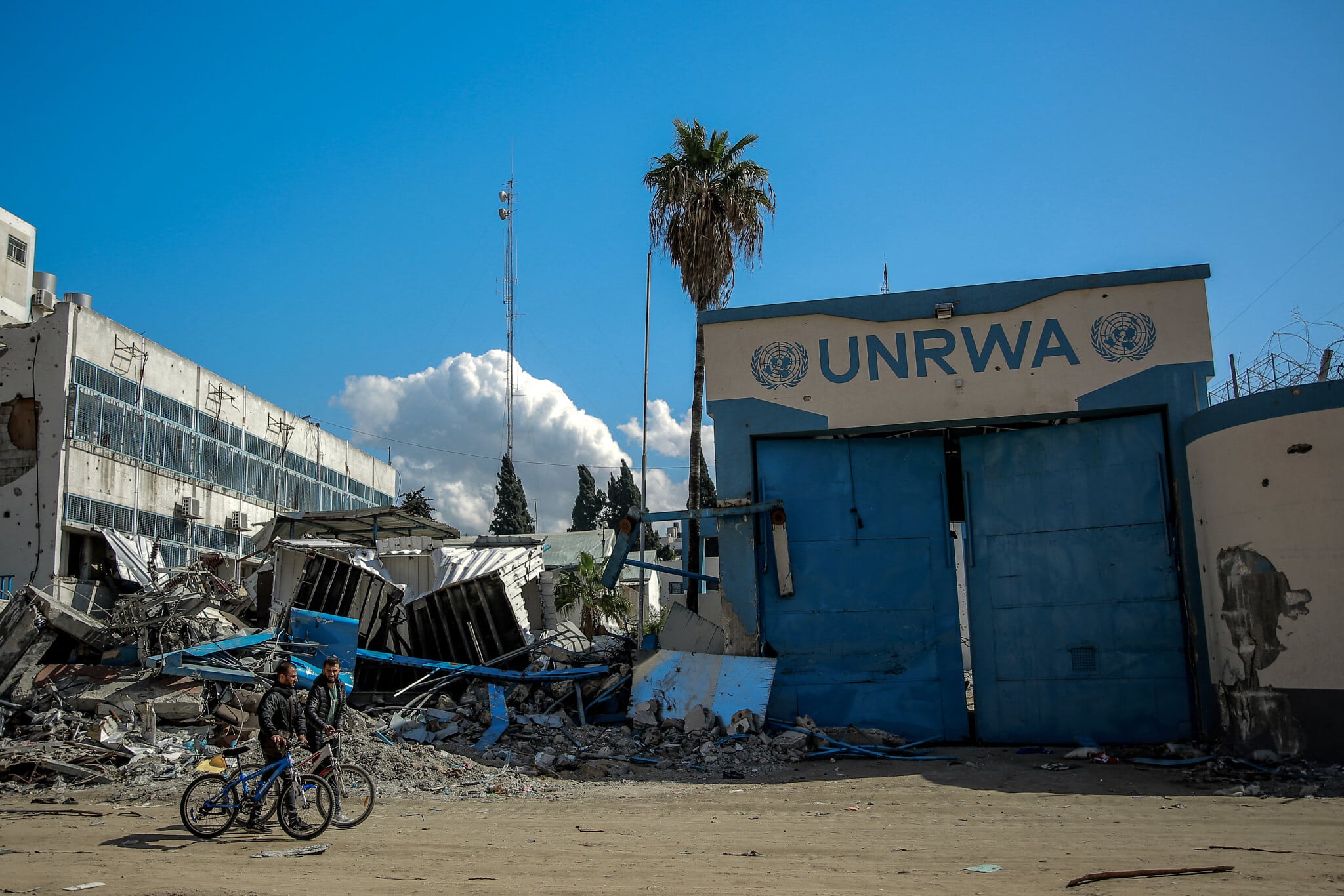
UNRWA Fires 70 Gaza Staff Members, Denies Terminations Validate Hamas Allegations
The UN agency for Palestinian refugees, UNRWA, has dismissed 70 employees in Gaza with immediate effect, citing safety and security risks. The move follows a USAID investigation that referred over 100 UNRWA staff for suspension or dismissal, and longstanding Israeli allegations that significant portions of the agency's workforce have ties to Hamas. The firings mark a significant but contested step in addressing accusations that have dogged the agency since the October 7, 2023 attacks, while UNRWA insists the dismissals are not an admission of guilt.
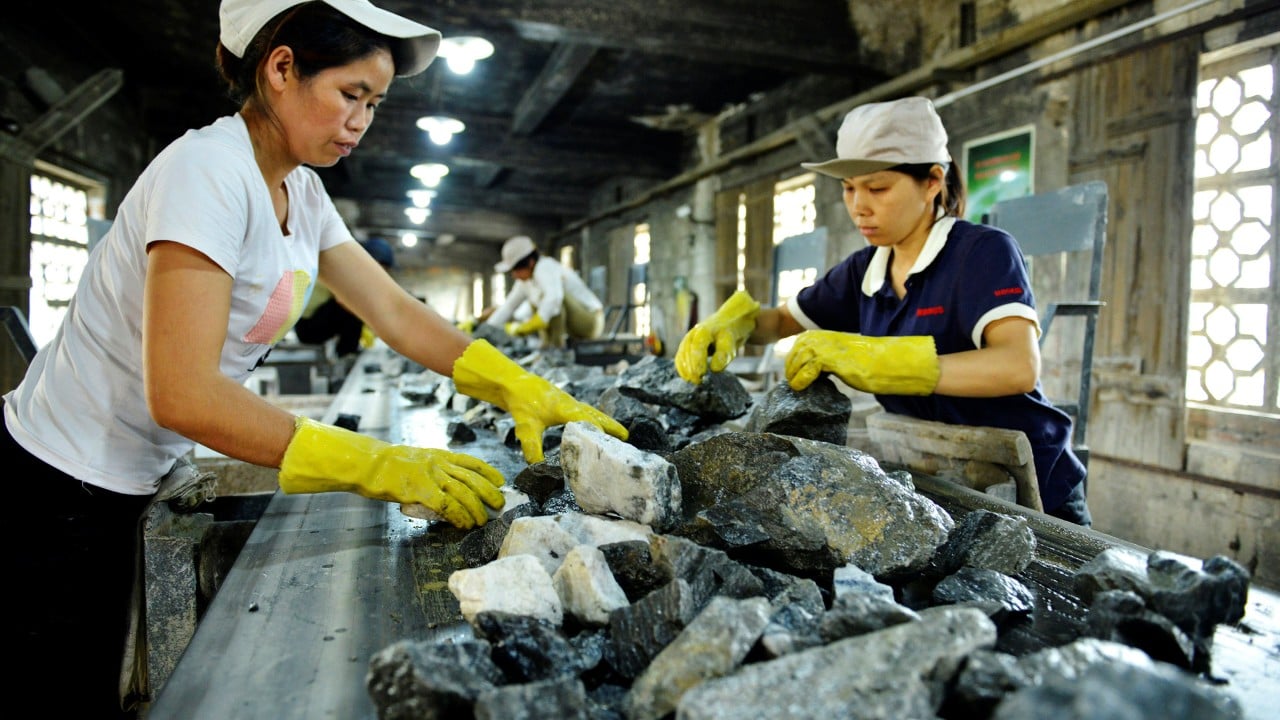
China's Tungsten Export Controls Ripple Through Global Supply Chains, From AI Chips to Weapons
China's 2025 export restrictions on tungsten have triggered price surges, potential production halts at Japanese semiconductor gas manufacturers, and a push to revive domestic mining in the United States. Tungsten, of which China produces over 78 percent of global supply, is critical to both advanced AI chipmaking and military munitions. The disruptions are exposing deep vulnerabilities in Western and Asian supply chains for a material with few short-term substitutes.

Rain Delays Start of India vs Afghanistan 1st ODI in Dharamshala
Persistent drizzle has delayed the toss and cast doubt over the first ODI between India and Afghanistan at the Himachal Pradesh Cricket Association Stadium in Dharamshala. The meteorological department issued an orange alert for June 12 warning of thunderstorms and hail across parts of Himachal Pradesh, with a 60–70% chance of showers forecast throughout the day. The delay threatens what would have been a historically significant match — the first-ever bilateral ODI series between the two nations.