Morpho, a crypto lending protocol, raises $175 million from major investors including a16z crypto and Paradigm
Morpho, a decentralized finance protocol for blockchain-based lending and borrowing, announced a $175 million funding round led by Paradigm, Ribbit Capital, and a16z crypto, valuing the company at up to $2 billion. The funding reflects growing institutional interest in crypto and DeFi as traditional financial institutions increasingly explore digital assets. The raise highlights Morpho's rapid growth in the competitive decentralized lending market, where it competes with established players like Aave.
Morpho, a decentralized finance (DeFi) protocol founded by 25-year-old Paul Frambot and three other French cofounders, announced a $175 million funding round led by major crypto investors Paradigm, Ribbit Capital, and Andreessen Horowitz's digital assets arm. Additional investors included Apollo Funds, Circle's venture unit, and VanEck. The funding values Morpho at up to $2 billion and reflects the protocol's rapid growth in the competitive DeFi lending space. Morpho allows users to create their own blockchain-based lending markets with customizable risk parameters, differentiating it from competitors like Aave, which dominates the market with $12.5 billion in locked assets compared to Morpho's $6.6 billion. The funding round exemplifies broader trends of institutional adoption of crypto and DeFi, as traditional financial institutions like BlackRock, the New York Stock Exchange's parent company, and major banks increasingly explore digital assets and blockchain-based financial services.
What different sources said
- FortuneCenter
Exclusive: The startup that’s dressing up crypto for Wall Street raises $175 million in a round led by a16z crypto, Paradigm, and Ribbit Capital
Related
New Index Proposed to Track Economic Welfare Beyond GDP, Accounting for Inequality and Inflation
Researchers have developed GAGI (Gini-Adjusted GDP-per-Capita Index), a new metric designed to measure economic prosperity while accounting for income inequality and inflation, which traditional GDP per capita ignores. The index rescales GDP per capita by a country's inequality adjustment factor and price level, normalized to 2010 baseline, and can be computed annually from public data. The authors argue GAGI is necessary for policymakers to detect distributional harms from automation and other economic shifts that GDP growth alone would mask.
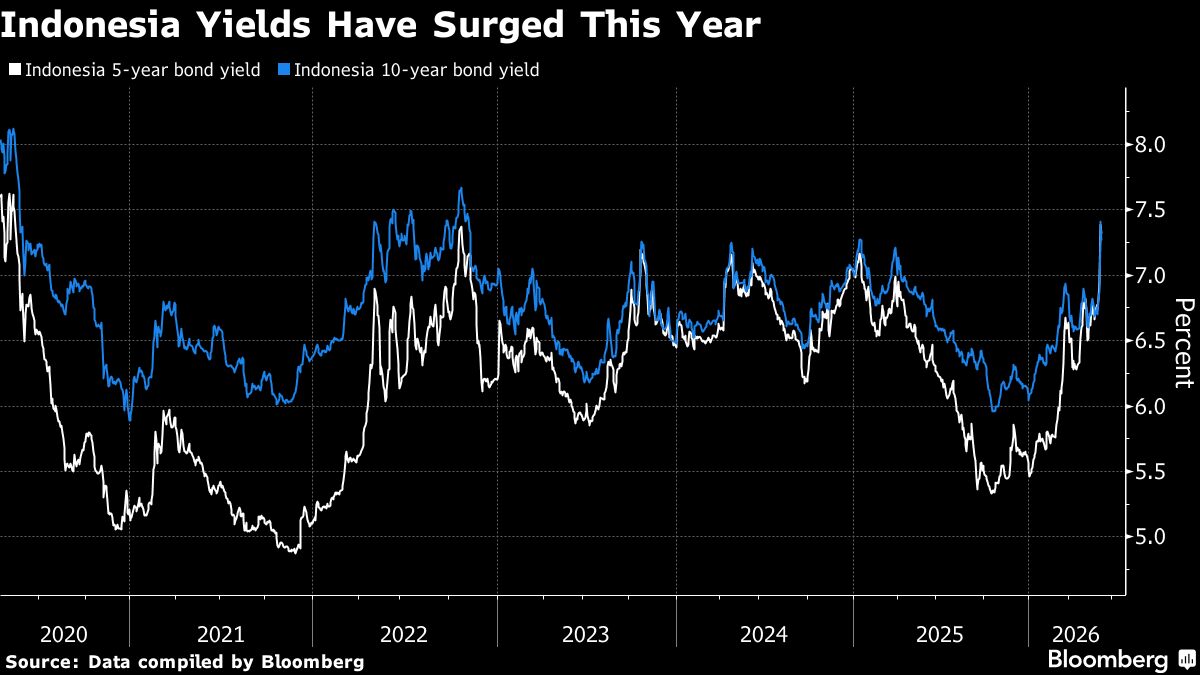
Indonesian Assets Rebound as Officials Reassure Foreign Investors
Indonesian financial markets rebounded after government officials intensified efforts to reassure foreign investors, with the rupiah posting its largest gain in over a year. The recovery extended to bonds and equities, easing pressure across multiple asset classes. The rebound reflects renewed confidence in Indonesia's economic stability and policy response.
Kalshi Implements Employment Verification to Combat Insider Trading
Prediction market platform Kalshi is now requiring users to disclose their employment information before trading, as part of efforts to identify and screen out potential insiders with material non-public information. The measure represents the latest guardrail added by the company amid increasing regulatory scrutiny of prediction markets from lawmakers. The move reflects broader concerns about insider trading risks in prediction markets, which have faced calls for bans or stricter regulation in several states.