Modi Government's 12-Year Effort to Remove British Colonial Symbols and Practices from India
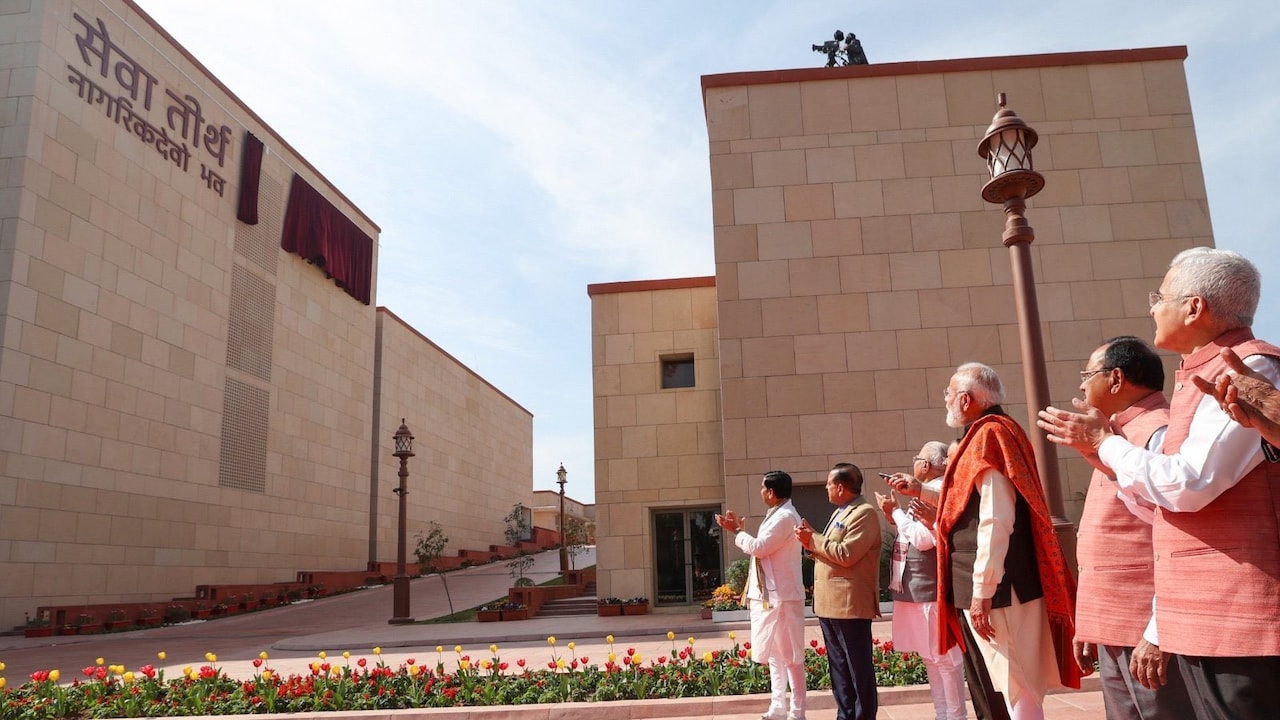
The Narendra Modi government has systematically replaced British-era symbols, laws, and practices with Indian alternatives over the past twelve years, framing the effort as reclaiming India's cultural identity. Changes include a new Parliament building with Indian architectural motifs, renaming of landmarks and islands, a redesigned Navy ensign, and replacement of colonial-era criminal justice codes with new Indian legislation. The government presents these reforms as steps toward eliminating what Modi calls a "colonial mindset" and restoring India's civilisational heritage.
Since 2012, the Modi government has undertaken comprehensive reforms to remove symbols and practices associated with British colonial rule across multiple domains. Visible changes include the construction of a new Parliament building incorporating Indian architectural elements like the Sengol (a Tamil ceremonial sceptre) and national symbols such as the peacock, lotus, and banyan tree. The government has also redesigned the Indian Navy's ensign to replace the St George's Cross with the national flag and emblem, renamed Rajpath to Kartavya Path, replaced the statue of King George V with one of Netaji Subhas Chandra Bose at India Gate, and renamed three Andaman Islands with Indian names. Additionally, three colonial-era criminal justice codes dating from 1860-1882 have been replaced with new Indian legislation: the Bharatiya Nyaya Sanhita, Bharatiya Sakshya Adhiniyam, and updated criminal procedure codes. The effort was given national prominence in Modi's 2022 Independence Day address calling for Indians to shed their "gulami ki mansikta" (colonial mindset).
What different sources said
- NDTVCenter
12 Years Of 'Decolonisation': How Modi Government Shed British-Era Practices
Related

Alberta Legislature Committee Explores Taxpayer-Funded E-Scooter and Bike Rides for Politicians
An Alberta legislature committee is studying whether to allow politicians and caucus staff to expense e-scooter and e-bike rides for work travel, joining existing reimbursement options like taxis and airfare. A report warned against the proposal due to safety and insurance concerns, as ride-sharing companies typically require users to assume liability risks. The committee passed a motion to explore corporate agreements with providers like Lime and Bird Canada that might modify standard liability terms.

Nigel Farage Returns to Public View After Seven Weeks of Limited Appearances Following £5m Donation Controversy
Nigel Farage, leader of Reform UK, re-emerged publicly on Wednesday after seven weeks of largely avoiding media scrutiny following revelations that he received a £5 million personal gift from a crypto billionaire. The donation has been explained differently in various interviews—as payment for security, a Brexit reward, and other justifications—while Farage has cancelled events and limited public appearances. His return comes as Reform UK loses political ground to the further-right Restore Britain party, and observers suggest his absence has been an attempt to dodge accountability on the donation's origins and propriety.

Meta Employee Detained by Immigration Authorities Following Company Layoffs
A former Meta employee who was laid off on May 20 was recently detained by US immigration authorities, according to internal company communications reviewed by WIRED. The employee, whose nationality and visa status remain unconfirmed, was believed to be detained in El Paso, Texas, near the US-Mexico border. The incident highlights vulnerabilities for international workers on visa sponsorships who lose employment and the broader context of intensified immigration enforcement under the Trump administration.