MIT Researchers Develop 3D-Printed Nozzle Array for Drug-Delivery Microparticle Production
MIT researchers have developed a method to 3D-print arrays of triaxial electrospray emitters — tiny nozzles capable of producing three-layered microdroplets — without the expensive semiconductor cleanrooms traditionally required. The team, led by principal research scientist Dr. Luis Fernando Velásquez-García, used a high-resolution resin printer to produce a working 16-nozzle array within one square centimeter, a design they say is modular and scalable. The advance could significantly lower the cost and complexity of manufacturing time-release drug-delivery particles, self-healing materials, and tissue-regeneration scaffolds.
A team at MIT has demonstrated that triaxial electrospray emitter arrays — previously impossible to fabricate outside of semiconductor-grade cleanrooms — can be produced using a commercial high-resolution 3D resin printer with a 27-micrometer pixel size from Asiga. The resulting nozzles spray three immiscible liquids simultaneously to form layered microdroplets smaller than those achievable through purely physical methods. The current prototype fits 16 emitters into one square centimeter, and the modular design means arrays could theoretically be tiled to much larger sizes; scaled to one square foot, the array would contain roughly 15,000 emitters. Potential applications include drug-delivery particles that release medicine at specific points in the digestive tract, self-healing materials, and artificial cells for tissue regeneration, with the outer layer acting as a protective shell, the middle layer carrying a therapeutic agent, and the core containing an antibiotic. Velásquez-García noted that the critical innovation lies in the tube network and support structure designs, and that emitter density is currently limited by 3D printer resolution rather than the underlying concept. The team believes the design is ready for commercialization and has invited interested parties to contact MIT for licensing. Fabrication costs and material compatibility — particularly matching resin feedstock to the chemicals being sprayed — remain practical considerations for commercial partners.
What's missing
The study's own limitations include the current density ceiling imposed by 3D printer resolution, uncertainty about which resin materials are chemically compatible with specific liquid payloads, and the absence of data on long-term nozzle durability or clogging under sustained operation.
How coverage differed
Both outlets reported the same core facts neutrally. The Register provided greater technical depth through direct quotes from Velásquez-García and additional context on electrospraying applications, while Phys.org offered a more concise summary framing the work primarily around drug-delivery and manufacturing efficiency.
What different sources said
- Phys.orgCenter
3D-printed nozzle array could streamline production of drug-delivery microparticles
- The RegisterCenter
MIT boffins take electrospray nozzles out of the cleanroom, into the 3D printer
Related
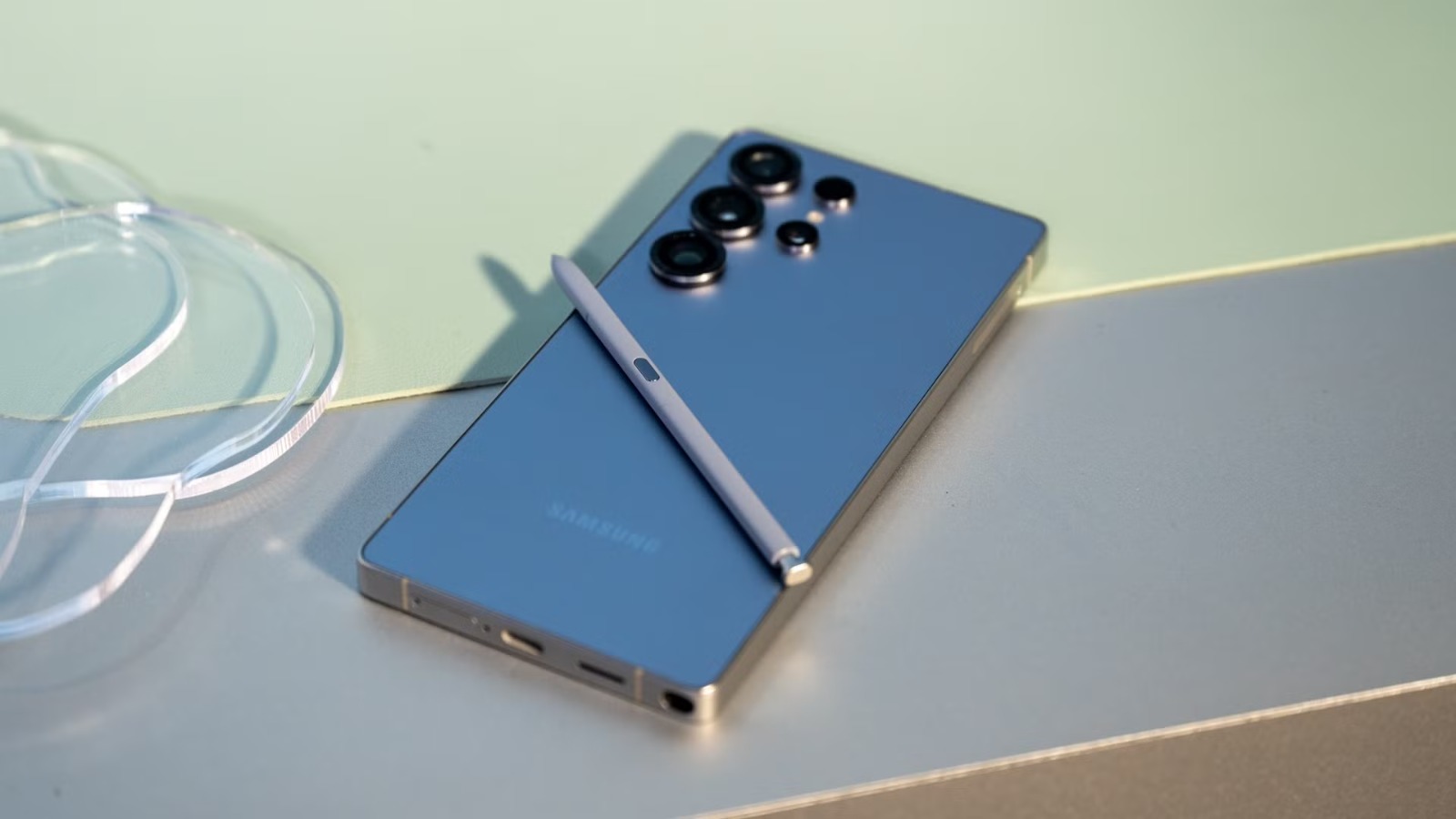
Samsung Galaxy S25 and S25 FE See Significant Price Cuts
Samsung's Galaxy S25 and Galaxy S25 FE smartphones are currently available at notably reduced prices, with the S25 FE dropping $201 (33%) to $449 on Woot for a limited time. The price reductions come amid a competitive smartphone market and ahead of anticipated future Samsung releases. The discounts make previously premium-priced devices more accessible to budget-conscious consumers.

Anthropic Disables Fable 5 and Mythos 5 AI Models Globally After US Government Export Control Order
Anthropic has suspended all public access to its two most advanced AI models, Fable 5 and Mythos 5, after the US Commerce Department issued an export control directive ordering the company to block foreign nationals from accessing them on national security grounds. The order came just three days after Fable 5's public launch and reportedly stems from government concerns about a potential jailbreak that could enable the models to assist with cyberattacks, though Anthropic says it received only verbal evidence of a narrow, non-universal vulnerability. The shutdown affects all customers globally — including enterprise users and Anthropic employees — and marks a significant escalation of US efforts to restrict foreign access to advanced AI models themselves, rather than just the chips that power them.

Xbox Free Play Days Offers Three Games Free to Play June 11–14
Microsoft's Xbox Free Play Days program is offering Hell Let Loose, State of Decay 2: Juggernaut Edition, and Blasphemous 2 at no cost from June 11 to June 14. Hell Let Loose requires an Xbox Game Pass Ultimate, Premium, or Essential membership, while State of Decay 2 and Blasphemous 2 (via a five-hour timed trial) are accessible to all Xbox console owners. Players who wish to keep any of the games can purchase them at a limited-time discount and retain any achievements earned during the free period.