Mississippi residents sue Musk's xAI and SpaceX over data centre noise nuisance

Three Mississippi residents filed a federal class-action lawsuit against Elon Musk's xAI and SpaceX, alleging that gas-fired turbines powering data centers in Southaven produce 'omnipresent and inescapable' noise that has damaged residents' health and property values. The suit, filed on behalf of an estimated 10,000 people, follows a separate April lawsuit by the NAACP accusing xAI of operating up to 46 unpermitted gas turbines in violation of the Clean Air Act. The case highlights growing tension between the rapid expansion of AI infrastructure and the quality of life of communities hosting it, arriving just as SpaceX pursues a high-profile IPO.
A class-action lawsuit filed in federal court in Oxford, Mississippi, names xAI, SpaceX, and xAI subsidiary MZX Tech as defendants, alleging that gas-fired turbines powering the Colossus data center campuses in Southaven subject nearby residents to continuous industrial noise and vibrations that have disrupted sleep, impaired daily activities, and reduced property values. Three named plaintiffs represent an estimated class of more than 10,000 residents. The $20 billion-plus Southaven facility was developed with the backing of Mississippi Governor Tate Reeves, and visual evidence from the site shows large-scale turbine arrays, exhaust stacks, and electrical substation infrastructure consistent with the industrial footprint described in the complaint. The lawsuit arrives alongside a separate NAACP suit alleging Clean Air Act violations from unpermitted turbines — a case in which the U.S. Department of Justice has signaled it may intervene on xAI's behalf. Community air monitors in southwest Memphis recorded PM2.5 particulate levels consistently above EPA limits between November 2025 and March 2026, and an independent analysis estimates the turbines could cause up to $44 million in annual health-related damage. The controversy is further complicated by SpaceX's IPO, which targets a valuation above $1.75 trillion and includes commitments of more than $2.8 billion to purchase additional gas turbines, while a promised water-recycling facility at the Colossus 1 site had its construction halted in April 2026.
What's missing
No source provides xAI's or SpaceX's substantive response to the noise nuisance allegations. It is also unclear what noise-level measurements, if any, have been independently verified by regulators, as opposed to being alleged in the complaint.
How coverage differed
Wired framed the story primarily through an environmental justice and corporate accountability lens, emphasizing pollution data, the SpaceX IPO windfall, and quotes from community organizers describing residents as an 'extracted and exploited colony.' The Washington Examiner reported the same core facts more neutrally but included a prominent sidebar link to an unrelated story, reflecting its broader editorial priorities; it also quoted the NAACP's specific allegation about unpermitted turbines without the broader health-impact framing prominent in left-leaning outlets.
What different sources said
- Al JazeeraLeft
Mississippi residents sue Musk’s xAI and SpaceX over data centre ‘nuisance’
- ABC AustraliaCenter
Musk's xAI hit with class action over power plant's 'inescapable' noise
- Yahoo FinanceCenter
Musk’s xAI, SpaceX hit with class action over data center ‘nuisance’
- WiredLeft
People Living Near xAI’s Dirty Data Centers Are Furious About the SpaceX IPO
- Washington ExaminerRight
Musk’s xAI and SpaceX sued over ‘inescapable’ noise from data center plant
- The HillCenter
Musk's xAI, SpaceX sued over 'pervasive and inescapable' data center power plant noise
Related
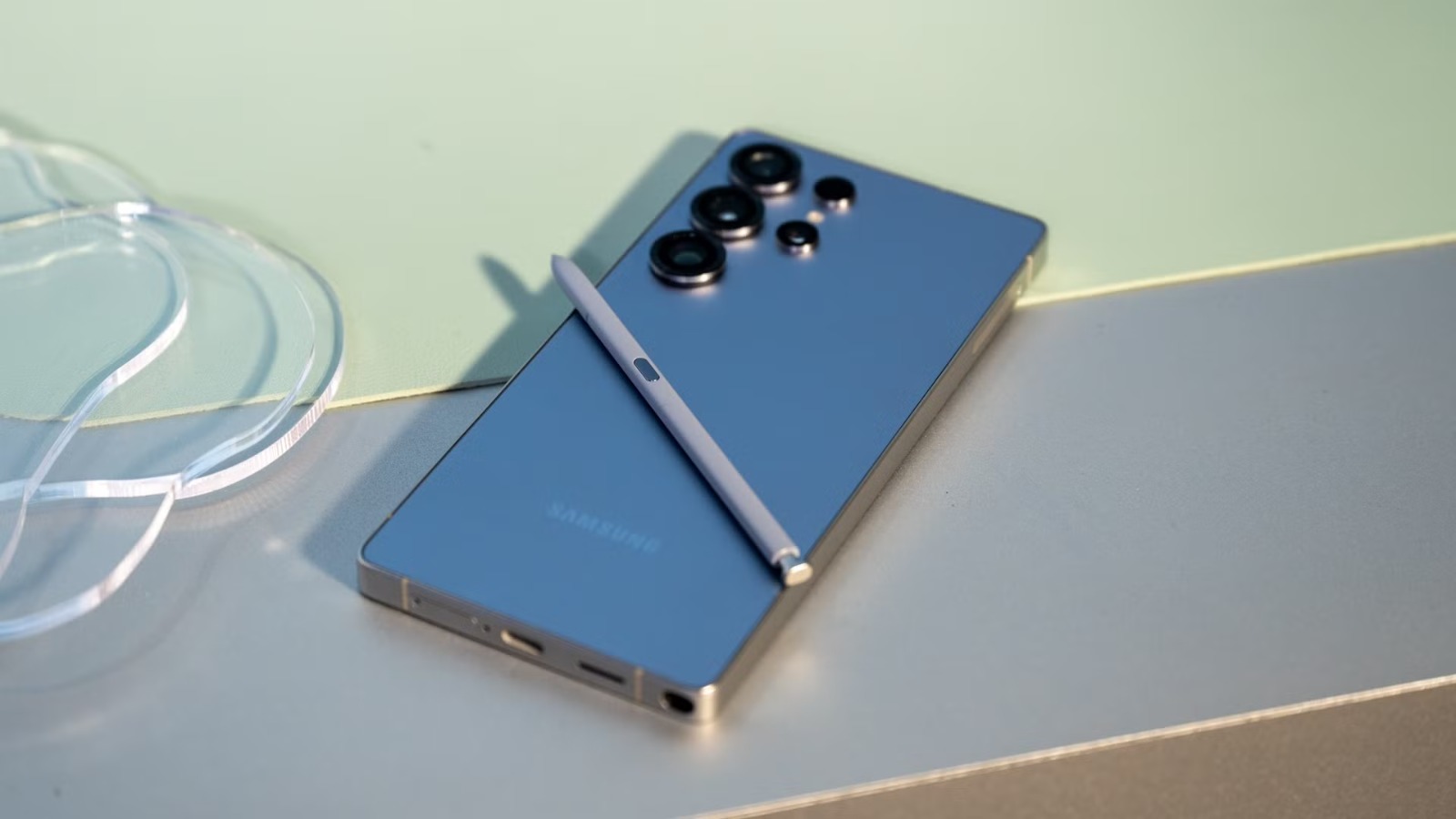
Samsung Galaxy S25 and S25 FE See Significant Price Cuts
Samsung's Galaxy S25 and Galaxy S25 FE smartphones are currently available at notably reduced prices, with the S25 FE dropping $201 (33%) to $449 on Woot for a limited time. The price reductions come amid a competitive smartphone market and ahead of anticipated future Samsung releases. The discounts make previously premium-priced devices more accessible to budget-conscious consumers.

Anthropic Disables Fable 5 and Mythos 5 AI Models Globally After US Government Export Control Order
Anthropic has suspended all public access to its two most advanced AI models, Fable 5 and Mythos 5, after the US Commerce Department issued an export control directive ordering the company to block foreign nationals from accessing them on national security grounds. The order came just three days after Fable 5's public launch and reportedly stems from government concerns about a potential jailbreak that could enable the models to assist with cyberattacks, though Anthropic says it received only verbal evidence of a narrow, non-universal vulnerability. The shutdown affects all customers globally — including enterprise users and Anthropic employees — and marks a significant escalation of US efforts to restrict foreign access to advanced AI models themselves, rather than just the chips that power them.

Xbox Free Play Days Offers Three Games Free to Play June 11–14
Microsoft's Xbox Free Play Days program is offering Hell Let Loose, State of Decay 2: Juggernaut Edition, and Blasphemous 2 at no cost from June 11 to June 14. Hell Let Loose requires an Xbox Game Pass Ultimate, Premium, or Essential membership, while State of Decay 2 and Blasphemous 2 (via a five-hour timed trial) are accessible to all Xbox console owners. Players who wish to keep any of the games can purchase them at a limited-time discount and retain any achievements earned during the free period.