Military Forces Worldwide Debate Autonomous AI Weapons Systems
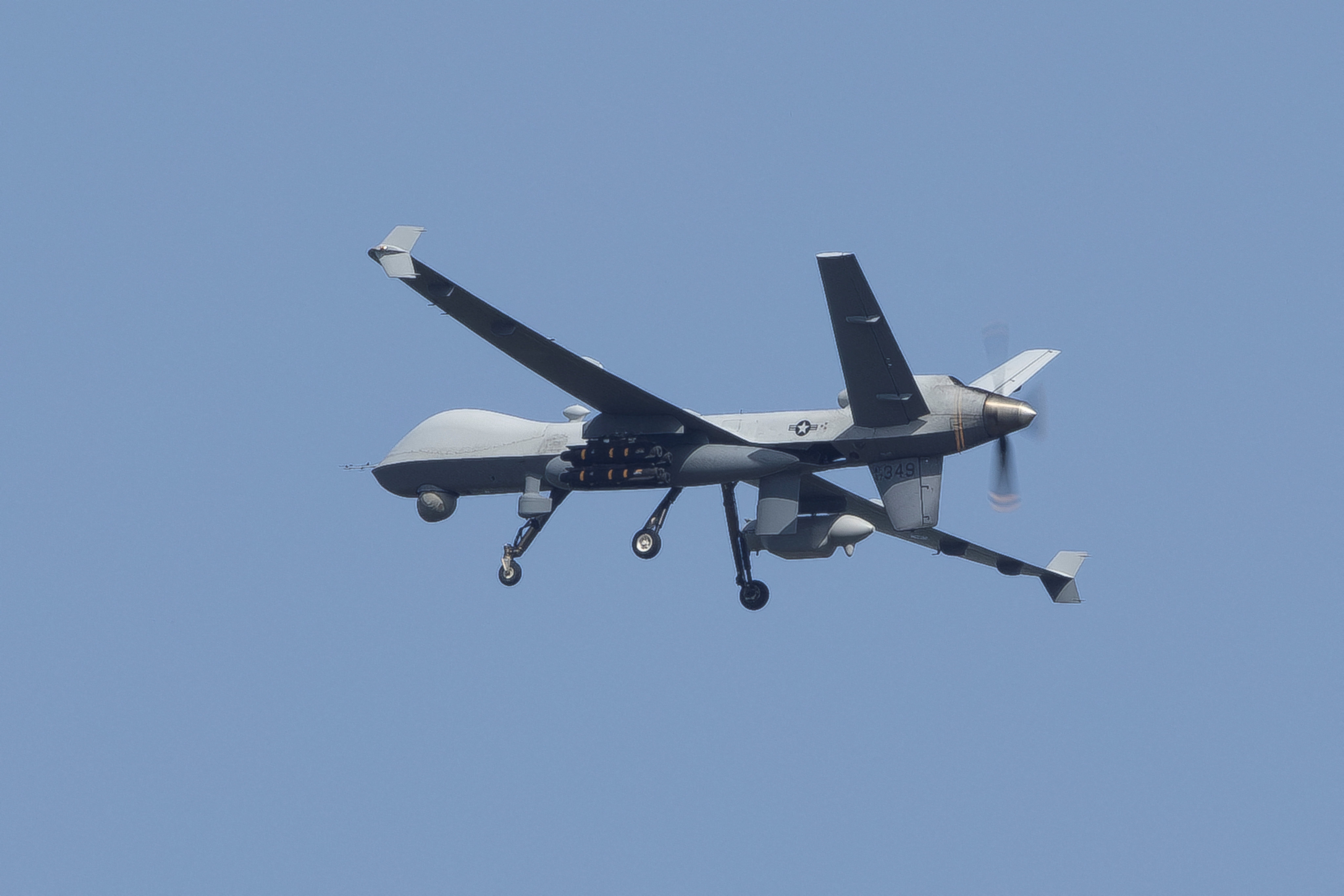
Military officials across NATO and other countries are considering relaxing requirements for human control over weapons targeting, citing competitive pressure from adversaries. The debate reflects tension between operational advantages of autonomous AI systems and concerns about unintended consequences and ethical constraints. This shift could reshape rules of engagement and international norms around warfare.
Militaries globally are actively weighing the adoption of autonomous AI-guided weapons systems, even as experts caution against rapid deployment. UK defense officials are specifically considering removing requirements that humans must approve all target selections, with officials arguing that adversaries will not maintain such constraints. NATO countries are similarly debating relaxation of ethical safeguards, while AI-guided drones in Ukraine have already demonstrated autonomous targeting capabilities when Russian jamming disrupts human control. The US military is pushing for fully autonomous AI weapons, though senior special operations officers emphasize the need for careful implementation to ensure precision. Additionally, hostile actors like Iran have leveraged publicly available AI models to enhance cyber operations, adding another dimension to the strategic competition.
What's missing
The article does not discuss existing international treaties or frameworks governing autonomous weapons (such as the Convention on Certain Conventional Weapons or ongoing UN discussions), specific technical limitations of current AI systems in combat scenarios, or documented cases where autonomous systems have caused unintended civilian harm.
What different sources said
- SemaforCenter
Militaries mull the use of AI in war
Related

UK Government to Extend Shop Closure Powers to 12 Months Following BBC Investigation into Illegal Mini-Marts
The UK government announced new powers allowing authorities to close illegal mini-marts, barbers, and vape shops for up to 12 months, doubling the current maximum closure period of six months. The change follows a BBC News investigation exposing drug gangs, money laundering, and other organized crime linked to shops selling illegal cigarettes, vapes, and drugs on British high streets. The measure aims to give investigators more time to gather evidence and prevent rogue operators from quickly reopening, with support from Trading Standards officers who have long lacked sufficient enforcement tools.

Belfast Residents Evacuate as Disorder Erupts Following Knife Attack
Residents in Belfast have been forced to flee their homes as cars and houses are set on fire following a knife attack in north Belfast on Monday night. A 30-year-old Sudanese man has been charged with attempted murder, while a victim remains hospitalized with serious injuries. The disorder has prompted police to call for calm as sporadic violence breaks out across Northern Ireland.
Russian General Killed in Moscow Car Bombing; Ukraine War Escalates with Drone Attacks and EU Sanctions
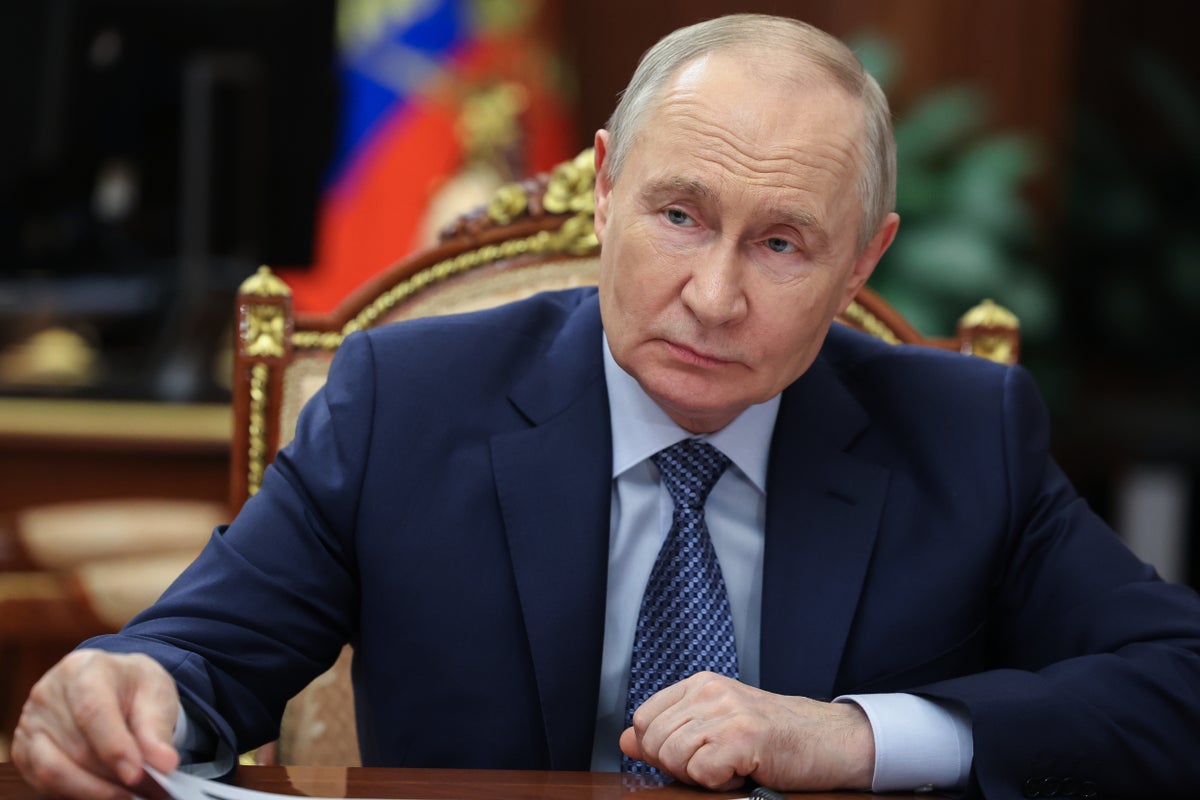
Damir Davydov, head of Russia's missile and artillery supply operations, was killed in a car explosion in the Moscow region on Tuesday morning, according to officials. The attack occurs amid intensifying Ukrainian drone strikes on Russian infrastructure and military leadership, though Ukraine has not claimed responsibility. The incident underscores the ongoing conflict's expansion into Russian territory and comes as the EU proposes its 21st sanctions package targeting Russian banks and military production.