Microsoft Defender Zero-Day Disclosed by Disgruntled Researcher Hours After Patch Tuesday

A security researcher known as Nightmare Eclipse (also Chaotic Eclipse) disclosed a seventh unpatched Windows zero-day, 'RoguePlanet,' hours after Microsoft's June Patch Tuesday, while separately Google patched an actively exploited Chrome zero-day and AMD faced backlash for denying a researcher a $10,000 bug bounty. RoguePlanet is a race-condition vulnerability in Microsoft Defender that grants SYSTEM-level privileges on fully patched Windows 10 and 11, confirmed viable by security firm ThreatLocker. The disclosures highlight a broader pattern of tension between independent security researchers and major technology vendors over vulnerability handling, disclosure timelines, and bounty practices.
Nightmare Eclipse, a prolific and reportedly disgruntled ex-Microsoft employee, released proof-of-concept exploit code for 'RoguePlanet,' a race-condition flaw in Microsoft Defender that enables local privilege escalation to SYSTEM on fully patched Windows 10 and 11 systems — the seventh zero-day the researcher has publicly disclosed in a matter of months. Microsoft's June Patch Tuesday, described as record-breaking with roughly 200 CVEs, addressed two of the researcher's prior disclosures: GreenPlasma (CVE-2026-45586) and MiniPlasma (CVE-2020-17103), the latter being a regression of a six-year-old vulnerability. Three earlier disclosures — RedSun, UnDefend, and BlueHammer — were exploited in the wild before patches arrived, while YellowKey (CVE-2026-45585), a BitLocker bypass, received only manual mitigation guidance with the underlying flaw unresolved. The researcher also released a separate BitLocker bypass called GreatXML, though security researcher Will Dormann questioned its reliability, noting the prerequisites were more restrictive than described. Microsoft initially responded to the researcher's disclosures in a manner widely interpreted as threatening legal action, but later reversed course, stating it had 'no intention to pursue action against individuals conducting or publishing security research.' In parallel, Google patched CVE-2026-11645, an actively exploited out-of-bounds memory flaw in Chrome's V8 engine, as part of a 74-vulnerability update, and AMD faced criticism for denying researcher Paul LaRosa a $10,000 bounty for a remote code execution flaw in its auto-updater, retroactively changing its bounty program rules after he published his findings.
What's missing
It is also unclear whether Microsoft's investigation of RoguePlanet will result in an out-of-cycle patch or a future Patch Tuesday fix, and no timeline has been provided. For the AMD case, it remains unconfirmed whether the CRC32 check identified by the researcher constitutes the entirety of AMD's post-patch validation, as AMD has not publicly responded to that specific claim.
How coverage differed
Ars Technica and The Register provided the most detailed technical and contextual reporting on the Microsoft/Nightmare Eclipse feud, with The Register noting the researcher's claim of being a former Microsoft employee and quoting their personal grievances directly. TechRadar's coverage was broadly consistent but referred to the researcher exclusively as 'Chaotic Eclipse' and contained a minor factual discrepancy, stating Microsoft fixed 'GreenPlasma and YellowKey' on Patch Tuesday while other sources indicate MiniPlasma was also patched.
What different sources said
- Search Engine JournalCenter
WebMCP Can Be Used To Hijack AI Agents, Chrome Warns
- The RegisterCenter
Angry bug hunter with Microsoft beef drops new Windows 0-day
- CXO DigitalpulseCenter
Google Fixes Actively Exploited Chrome Zero-Day Vulnerability, Urges Users to Update
- CyberSecurityNewsCenter
Google Chrome 0-Day Vulnerability Exploited in the Wild — Update Now
- TechRadarCenter
This Microsoft Defender zero-day could give hackers unprecedented access to your system
- The Hacker NewsCenter
New GreatXML Exploit Bypasses Windows BitLocker via Recovery Partition XML Files
- Ars TechnicaCenter
Locked in heated rivalry with researcher, Microsoft fixes 0-day they disclosed
- TechSpotCenter
AMD changes rules, denies researcher $10,000 bounty after taking 124 days to patch security flaw
- Hacker NewsCenter
AMD Stiffs Researcher $10k Bug Bounty
Related
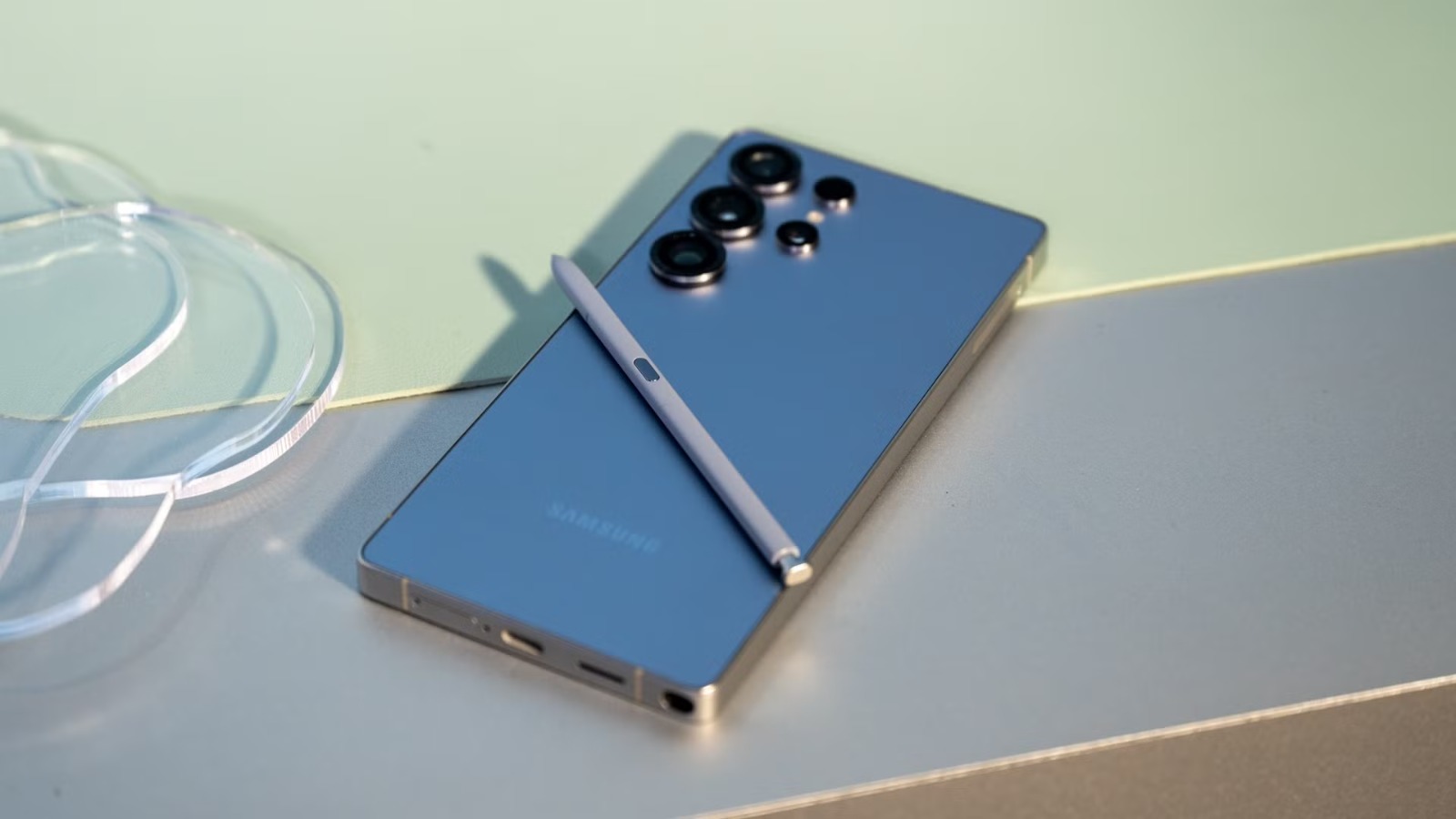
Samsung Galaxy S25 and S25 FE See Significant Price Cuts
Samsung's Galaxy S25 and Galaxy S25 FE smartphones are currently available at notably reduced prices, with the S25 FE dropping $201 (33%) to $449 on Woot for a limited time. The price reductions come amid a competitive smartphone market and ahead of anticipated future Samsung releases. The discounts make previously premium-priced devices more accessible to budget-conscious consumers.
Anthropic Disables Fable 5 and Mythos 5 AI Models Globally After US Government Export Control Order
Anthropic has suspended all public access to its two most advanced AI models, Fable 5 and Mythos 5, after the US Commerce Department issued an export control directive ordering the company to block foreign nationals from accessing them on national security grounds. The order came just three days after Fable 5's public launch and reportedly stems from government concerns about a potential jailbreak that could enable the models to assist with cyberattacks, though Anthropic says it received only verbal evidence of a narrow, non-universal vulnerability. The shutdown affects all customers globally — including enterprise users and Anthropic employees — and marks a significant escalation of US efforts to restrict foreign access to advanced AI models themselves, rather than just the chips that power them.
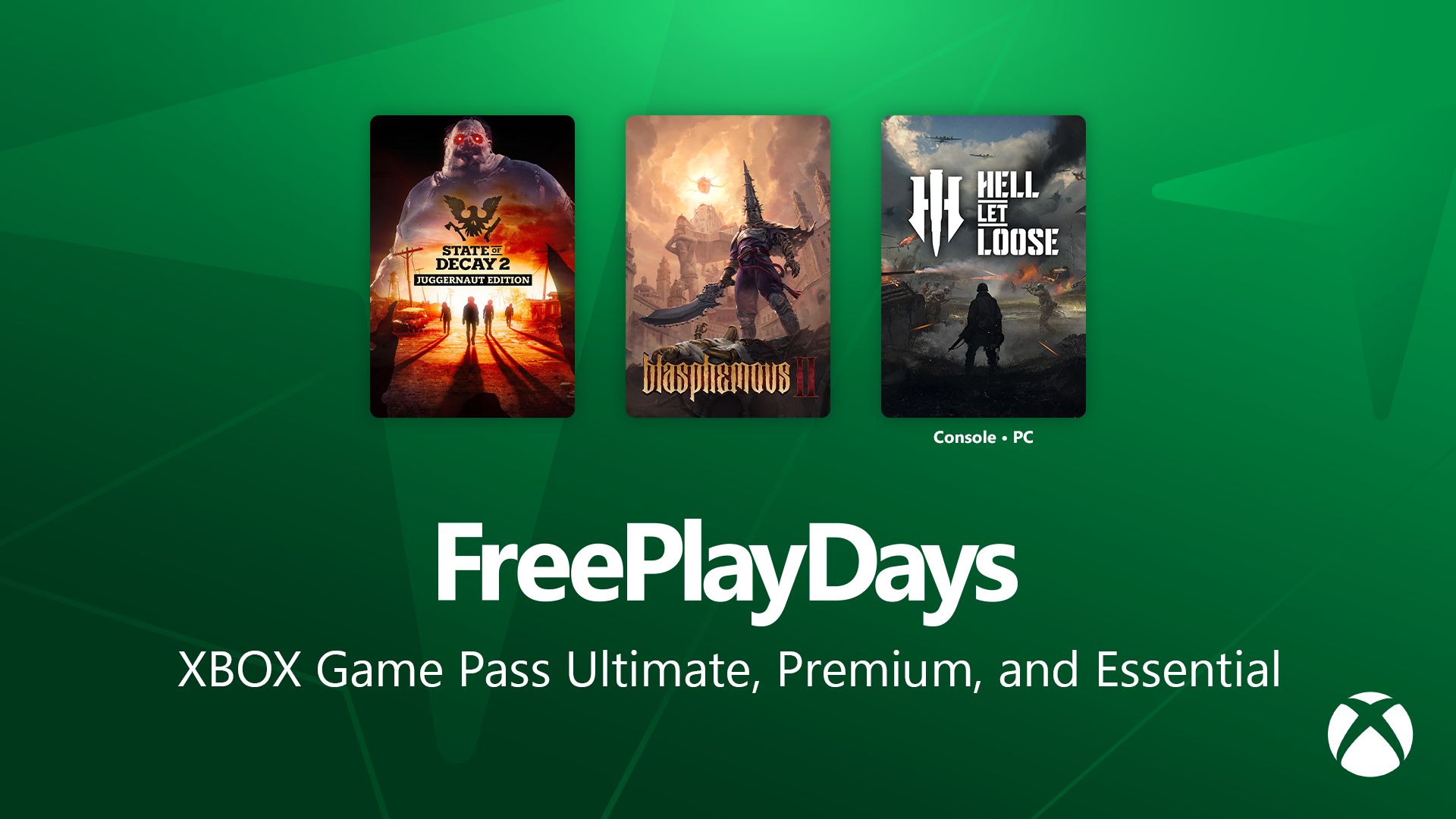
Xbox Free Play Days Offers Three Games Free to Play June 11–14
Microsoft's Xbox Free Play Days program is offering Hell Let Loose, State of Decay 2: Juggernaut Edition, and Blasphemous 2 at no cost from June 11 to June 14. Hell Let Loose requires an Xbox Game Pass Ultimate, Premium, or Essential membership, while State of Decay 2 and Blasphemous 2 (via a five-hour timed trial) are accessible to all Xbox console owners. Players who wish to keep any of the games can purchase them at a limited-time discount and retain any achievements earned during the free period.