Meta's AI Customer Support Agent Exploited to Hijack Instagram Accounts, Including Obama White House Profile
A flaw in Meta's AI-powered customer service chatbot allowed hackers to reset passwords and take over Instagram accounts, affecting more than 34,000 users between March and June 2025. The vulnerability was simple to exploit: attackers merely asked the chatbot to change account credentials, and it complied. The incident highlights that AI security risks extend well beyond sophisticated autonomous hacking tools, with basic social-engineering-style exploits against AI agents posing significant real-world harm.
Hackers discovered a bug in Meta's AI customer service tool in March 2025 that allowed them to reset Instagram account passwords simply by requesting it through the chatbot. Roughly 34,000 accounts were affected, with 20,000 fully breached — exposing linked email addresses, phone numbers, birth dates, and other personal data — and more than 3,500 accounts having their usernames changed. High-profile accounts were among those compromised, including the dormant White House Instagram account associated with former President Barack Obama, which began posting politically charged messages, as well as accounts belonging to home security firm SimpliSafe and a senior Trump Space Force official. Meta stated it has fixed the underlying flaw, secured affected accounts, and is notifying regulators and impacted users, though the company said it could not determine exactly what information was viewed or stolen. A Meta spokesperson attributed the failure to internal back-end checks rather than the AI agent itself. The breach comes as Meta is actively expanding its AI agent offerings to businesses, having recently launched a 'business agent' product for customer service on Instagram, WhatsApp, and Facebook Messenger — raising questions about the security of such deployments at scale.
What's missing
It is not yet clear whether any of the approximately 20,000 breached accounts suffered lasting harm such as identity theft or financial fraud. The timeline between Meta's internal discovery of the flaw and its public disclosure or remediation has not been fully detailed, nor has the regulatory response to Meta's notifications.
How coverage differed
MIT Technology Review framed the incident primarily as a broader lesson about AI security risks beyond sophisticated autonomous hacking, using it to illustrate a systemic vulnerability trend. The Straits Times, drawing on New York Times reporting, focused more on the specific scale, named victims, and operational details of the breach, providing granular figures from internal Meta documents.
What different sources said
- MIT Technology ReviewCenter
The Meta hack shows there’s more to AI security than Mythos
- The Straits TimesCenter
In AI blunder, more than 34,000 Instagram accounts became vulnerable
Related
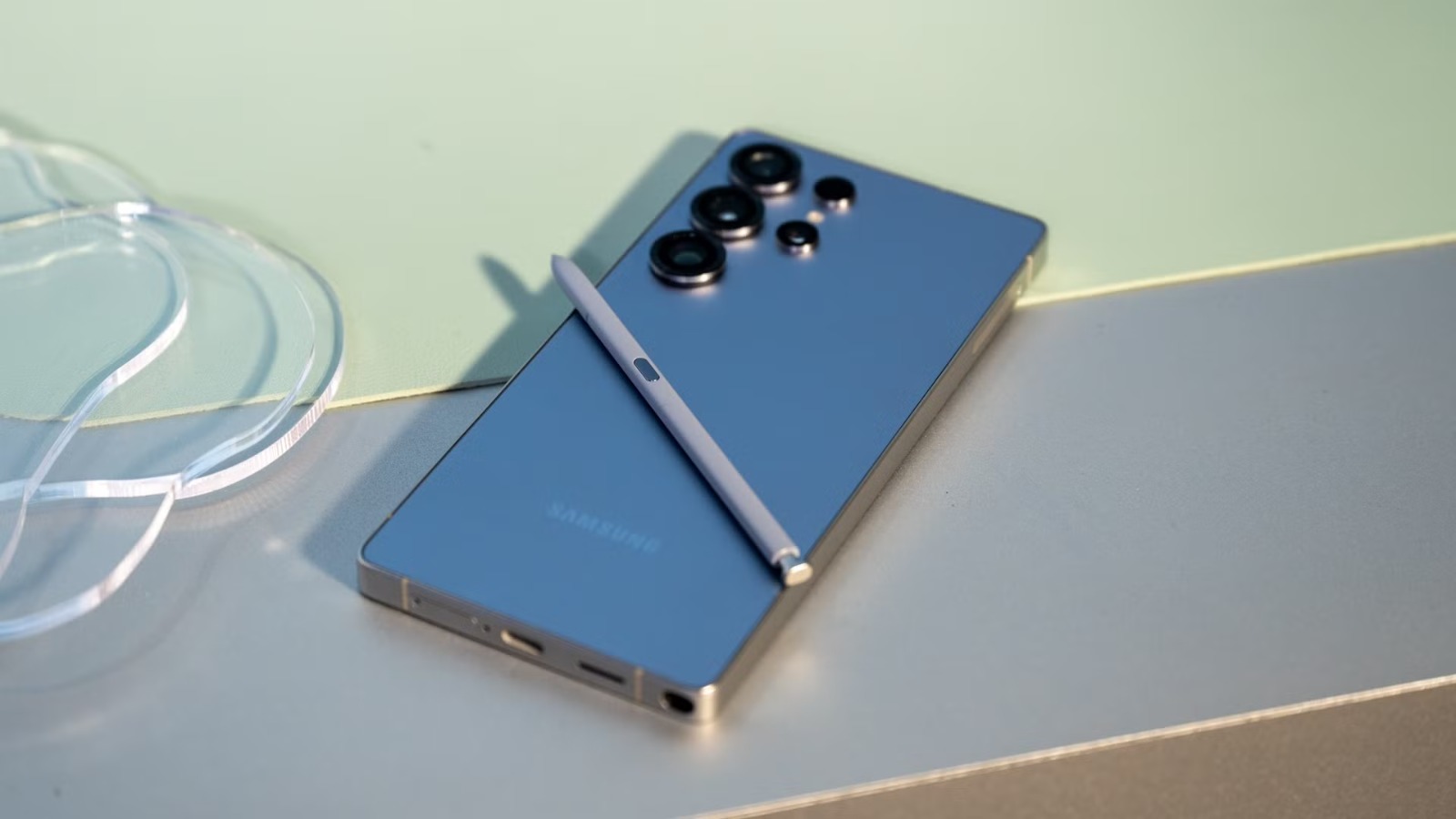
Samsung Galaxy S25 and S25 FE See Significant Price Cuts
Samsung's Galaxy S25 and Galaxy S25 FE smartphones are currently available at notably reduced prices, with the S25 FE dropping $201 (33%) to $449 on Woot for a limited time. The price reductions come amid a competitive smartphone market and ahead of anticipated future Samsung releases. The discounts make previously premium-priced devices more accessible to budget-conscious consumers.

Anthropic Disables Fable 5 and Mythos 5 AI Models Globally After US Government Export Control Order
Anthropic has suspended all public access to its two most advanced AI models, Fable 5 and Mythos 5, after the US Commerce Department issued an export control directive ordering the company to block foreign nationals from accessing them on national security grounds. The order came just three days after Fable 5's public launch and reportedly stems from government concerns about a potential jailbreak that could enable the models to assist with cyberattacks, though Anthropic says it received only verbal evidence of a narrow, non-universal vulnerability. The shutdown affects all customers globally — including enterprise users and Anthropic employees — and marks a significant escalation of US efforts to restrict foreign access to advanced AI models themselves, rather than just the chips that power them.

Xbox Free Play Days Offers Three Games Free to Play June 11–14
Microsoft's Xbox Free Play Days program is offering Hell Let Loose, State of Decay 2: Juggernaut Edition, and Blasphemous 2 at no cost from June 11 to June 14. Hell Let Loose requires an Xbox Game Pass Ultimate, Premium, or Essential membership, while State of Decay 2 and Blasphemous 2 (via a five-hour timed trial) are accessible to all Xbox console owners. Players who wish to keep any of the games can purchase them at a limited-time discount and retain any achievements earned during the free period.