Meta begins dismantling $2 billion Manus acquisition following Chinese regulatory order

Meta has completed an operational split from Chinese-origin AI startup Manus, halting data sharing and blocking staff access to internal systems as it moves to unwind its $2 billion acquisition. Chinese regulators ordered the deal reversed in April under the country's foreign investment security review mechanism, marking an unprecedented use of that authority. The case has become a landmark test of Beijing's reach over cross-border tech deals and signals limits to the so-called 'Singapore washing' strategy used by Chinese startups to appear internationally independent.
Meta Platforms has taken concrete steps to dismantle its $2 billion acquisition of Manus, an agentic AI startup with Chinese roots that had relocated its headquarters to Singapore before the deal was announced in December. Meta has ordered employees to stop using Manus tools for internal projects and blocked Manus staff from accessing Meta's internal data systems, completing what Bloomberg described as an operational split. Chinese regulators issued an unprecedented order in April to reverse the completed deal under China's foreign investment security review mechanism, giving Meta a two-week deadline to comply. Legal experts say the case is a major test case for China's technology controls, with Beijing also rolling out sweeping new rules effective July 1 that formalize its authority to intervene in — and even unwind — completed overseas transactions involving Chinese investors, technology, data, or national security concerns. The framework extends Beijing's jurisdiction beyond mainland China, including to markets such as Taiwan, and specifically bans cross-border talent transfers in sensitive sectors without government approval. Analysts warn the episode signals that 'Singapore washing' — relocating to obscure Chinese origins — has clear limits, and that Chinese-origin AI assets now carry an inherent 'reversibility risk' for any acquirer. Separately, Chinese chip stocks fell broadly on the day, with SMIC, Hua Hong Semi, Metax Integrated Circuits, and Cambricon Technologies all declining between 4% and 6%, reflecting wider market anxiety over the intensifying U.S.-China tech rivalry.
Data: CNBC
What's missing
It remains unclear what financial or legal recourse Meta has if the full unwind cannot be completed, or what compensation — if any — Manus founders and investors will receive.
How coverage differed
CNBC provided significantly deeper analytical and policy context, including expert commentary on geopolitical implications and details of Beijing's new July 1 outbound investment framework, while Times of India and Yahoo Finance largely summarized the Bloomberg report's core facts without the same depth of expert sourcing or regulatory analysis.
What different sources said
- Times of IndiaCenter
Meta starts 'unwinding' deal with Chinese-origin AI company Manus that it spent $2 bn on
- CNBCCenter
Meta reportedly begins dismantling $2 billion Manus deal on Beijing's orders
- Yahoo FinanceCenter
Meta unwinds $2 billion Manus acquisition after China order
Related

Samsung Galaxy S25 and S25 FE See Significant Price Cuts
Samsung's Galaxy S25 and Galaxy S25 FE smartphones are currently available at notably reduced prices, with the S25 FE dropping $201 (33%) to $449 on Woot for a limited time. The price reductions come amid a competitive smartphone market and ahead of anticipated future Samsung releases. The discounts make previously premium-priced devices more accessible to budget-conscious consumers.

Anthropic Disables Fable 5 and Mythos 5 AI Models Globally After US Government Export Control Order
Anthropic has suspended all public access to its two most advanced AI models, Fable 5 and Mythos 5, after the US Commerce Department issued an export control directive ordering the company to block foreign nationals from accessing them on national security grounds. The order came just three days after Fable 5's public launch and reportedly stems from government concerns about a potential jailbreak that could enable the models to assist with cyberattacks, though Anthropic says it received only verbal evidence of a narrow, non-universal vulnerability. The shutdown affects all customers globally — including enterprise users and Anthropic employees — and marks a significant escalation of US efforts to restrict foreign access to advanced AI models themselves, rather than just the chips that power them.
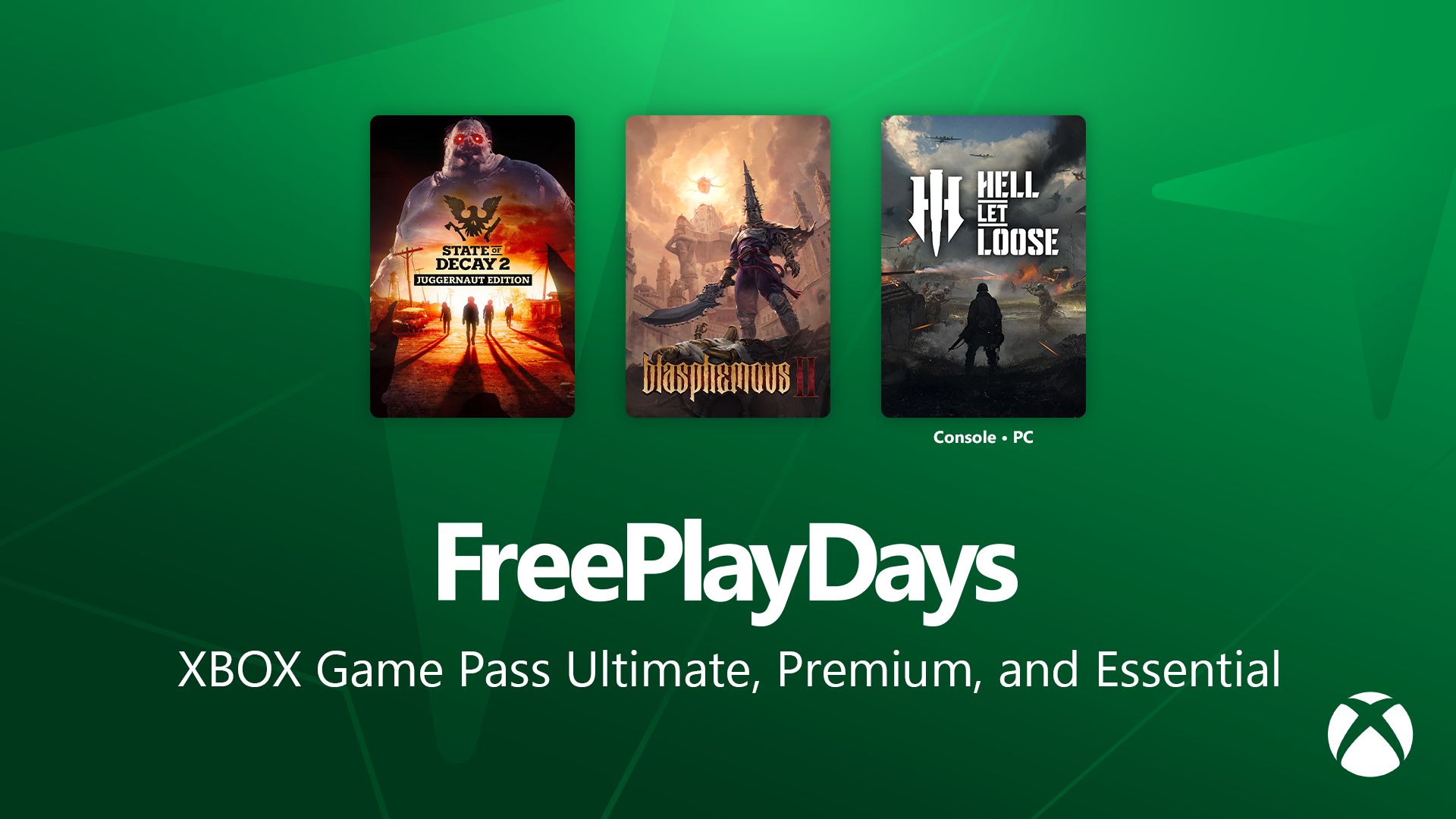
Xbox Free Play Days Offers Three Games Free to Play June 11–14
Microsoft's Xbox Free Play Days program is offering Hell Let Loose, State of Decay 2: Juggernaut Edition, and Blasphemous 2 at no cost from June 11 to June 14. Hell Let Loose requires an Xbox Game Pass Ultimate, Premium, or Essential membership, while State of Decay 2 and Blasphemous 2 (via a five-hour timed trial) are accessible to all Xbox console owners. Players who wish to keep any of the games can purchase them at a limited-time discount and retain any achievements earned during the free period.