Meta Accuses NSO Group of Violating Court Order by Targeting WhatsApp Users Again
Meta has asked a federal court to hold Israeli spyware maker NSO Group in contempt after alleging it caught the company targeting WhatsApp users with phishing campaigns despite a permanent injunction barring such activity. NSO Group, maker of the Pegasus spyware, was found liable in December 2024 for hacking WhatsApp users and was ordered to pay damages — later reduced to $4 million — and permanently barred from targeting WhatsApp or its users. The alleged violations raise questions about whether court judgments are sufficient deterrents for commercial spyware vendors, and come as NSO reportedly seeks to re-enter the US market under the Trump administration.
Meta announced Monday that WhatsApp had detected and disrupted what it described as NSO Group-linked social engineering attempts, including efforts to lure users into clicking malicious links redirecting them to external websites and the creation of test accounts and groups on the platform. A Meta spokesperson said the targeted users were located in Jordan and Lebanon. Meta published several domains it linked to the campaign — including ikhwancast[.]com, ghazacast[.]com, and fr24cast[.]com — and released indicators of compromise to help organizations identify related activity. The alleged activity follows a permanent injunction issued after a US court found NSO liable in December 2024 for exploiting WhatsApp to deploy its Pegasus spyware against approximately 1,400 devices; a jury initially awarded Meta roughly $168 million in damages, later reduced to $4 million by the judge. Meta framed the alleged violations as a national security concern, noting NSO remains on the US Commerce Department's Entity List, and called for existing restrictions to remain in place. Researchers at Citizen Lab described the alleged conduct as a sign of 'hubris,' noting it undermines NSO's reported efforts to rebrand as an ethical company and gain access to the US market. NSO Group did not respond to requests for comment from multiple outlets.
What's missing
Meta provided limited technical specifics about the alleged attacks, including when exactly they occurred, how many users were targeted, whether any devices were successfully compromised, and the precise methodology used to attribute the activity to NSO Group rather than another actor. NSO Group's position or any potential defense has not been presented, as the company did not respond to any outlet.
How coverage differed
The Guardian provided additional geopolitical and political context absent from other outlets, including NSO's reported lobbying efforts tied to the Trump administration, its appointment of former US Ambassador David Friedman as executive chair, and alleged connections to lawsuits targeting Meta's encryption claims. The Register was notably more skeptical in tone, highlighting the lack of technical details Meta provided — such as timing, scale, and attribution methodology — and noting Meta did not respond to its questions.
What different sources said
- The HillCenter
Meta accuses Israeli spyware firm of again targeting WhatsApp users
- The RegisterCenter
NSO Group back in Meta's crosshairs after alleged WhatsApp targeting
- Ars TechnicaCenter
Meta alleges NSO violated spyware injunction with new WhatsApp attacks
Spyware firm targeted WhatsApp users in defiance of US court order, Meta says
Related
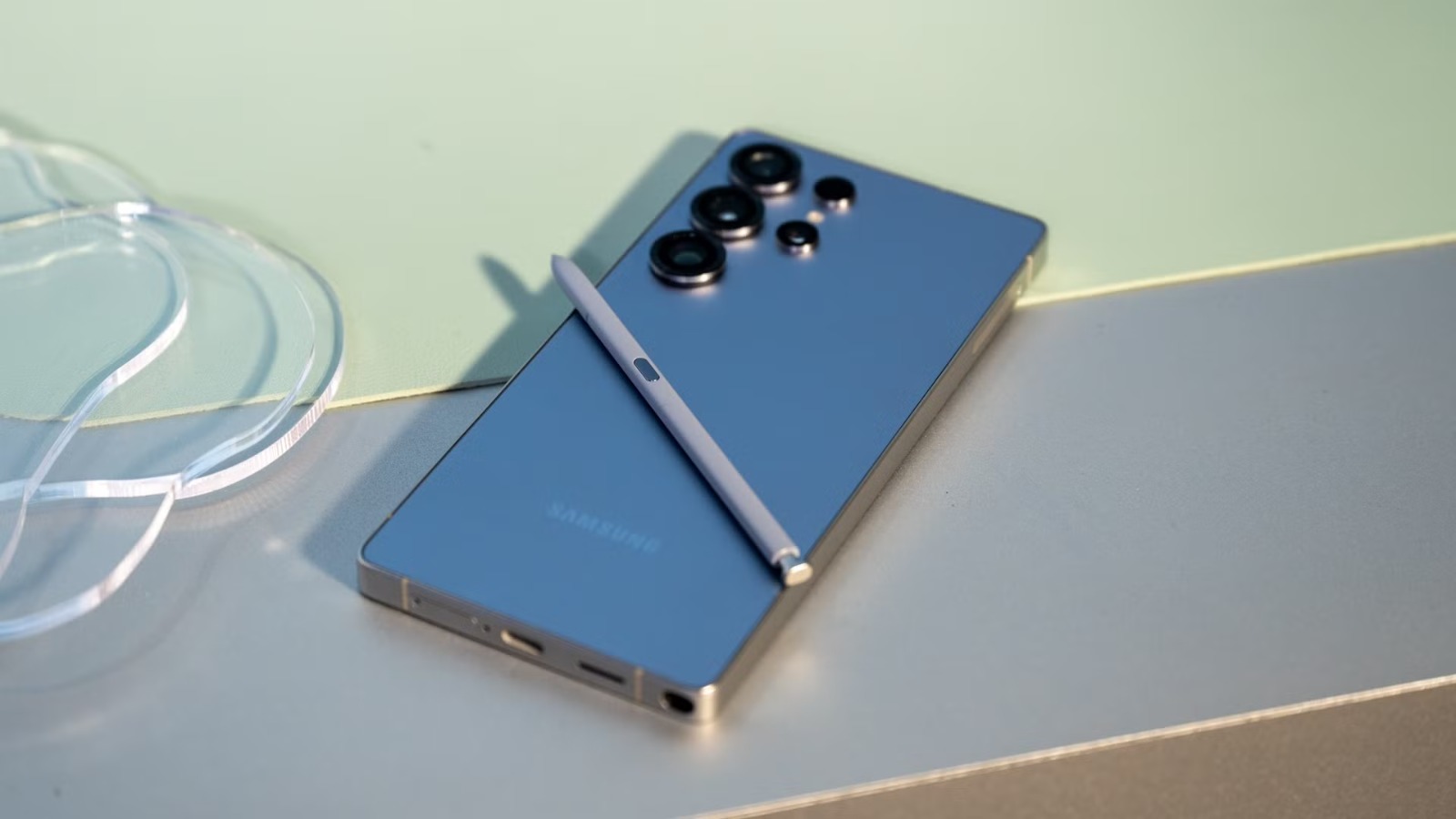
Samsung Galaxy S25 and S25 FE See Significant Price Cuts
Samsung's Galaxy S25 and Galaxy S25 FE smartphones are currently available at notably reduced prices, with the S25 FE dropping $201 (33%) to $449 on Woot for a limited time. The price reductions come amid a competitive smartphone market and ahead of anticipated future Samsung releases. The discounts make previously premium-priced devices more accessible to budget-conscious consumers.

Anthropic Disables Fable 5 and Mythos 5 AI Models Globally After US Government Export Control Order
Anthropic has suspended all public access to its two most advanced AI models, Fable 5 and Mythos 5, after the US Commerce Department issued an export control directive ordering the company to block foreign nationals from accessing them on national security grounds. The order came just three days after Fable 5's public launch and reportedly stems from government concerns about a potential jailbreak that could enable the models to assist with cyberattacks, though Anthropic says it received only verbal evidence of a narrow, non-universal vulnerability. The shutdown affects all customers globally — including enterprise users and Anthropic employees — and marks a significant escalation of US efforts to restrict foreign access to advanced AI models themselves, rather than just the chips that power them.
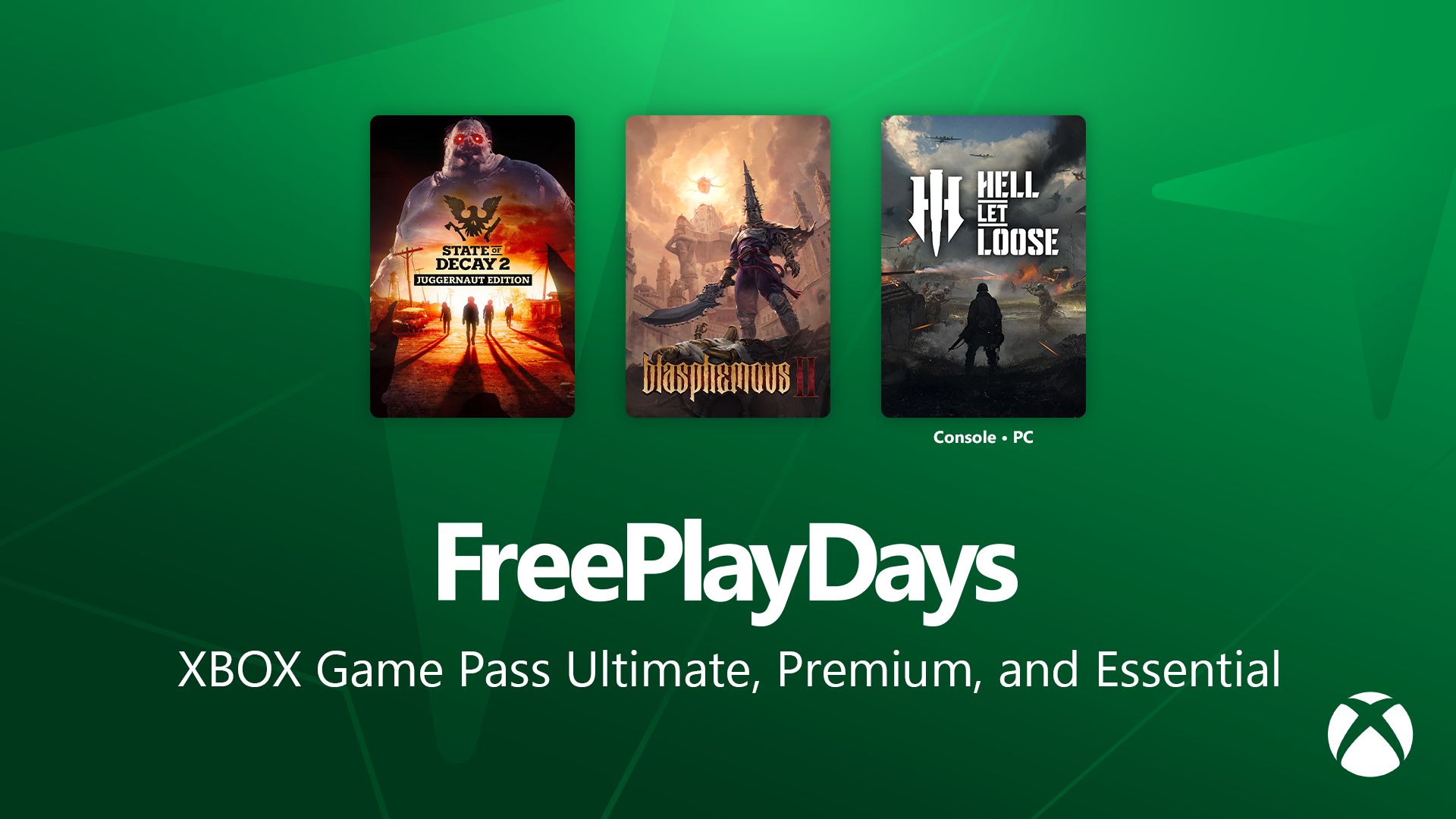
Xbox Free Play Days Offers Three Games Free to Play June 11–14
Microsoft's Xbox Free Play Days program is offering Hell Let Loose, State of Decay 2: Juggernaut Edition, and Blasphemous 2 at no cost from June 11 to June 14. Hell Let Loose requires an Xbox Game Pass Ultimate, Premium, or Essential membership, while State of Decay 2 and Blasphemous 2 (via a five-hour timed trial) are accessible to all Xbox console owners. Players who wish to keep any of the games can purchase them at a limited-time discount and retain any achievements earned during the free period.