Majority of Planned US Data Centers Located in Drought-Affected Regions
A Guardian analysis found that approximately two-thirds of 809 planned data centers in the US are slated for locations experiencing drought conditions. Data centers require massive amounts of water for cooling—up to 5 million gallons per day for large facilities—and demand is projected to reach 73 billion gallons annually by 2028, up from 17 billion in 2023. This expansion poses significant challenges to water availability in already water-stressed regions, particularly as climate change intensifies drought severity and duration.
According to data from Cleanview and federal drought assessments, 517 of 809 planned data centers are being built in areas that have experienced drought conditions throughout the past year. Large data centers, some comparable in size to small towns, can consume up to 5 million gallons of water daily for cooling purposes. Water demand from data centers is expected to surge from approximately 17 billion gallons in 2023 to 73 billion gallons by 2028. Companies including Google, Meta, Microsoft, and Amazon are investing billions in new data center construction, often selecting arid, sparsely populated areas due to lower land costs, tax incentives, and reduced equipment corrosion. Experts warn that this expansion compounds existing water stress in drought-prone regions, with one analysis suggesting data centers could account for 9 percent of Texas's total water use by 2040.
What's missing
The article does not provide specific details on water recycling or efficiency measures being implemented by data center operators, nor does it discuss regulatory frameworks or proposed policies to address water consumption in drought regions.
What different sources said
- Mother JonesLeft
Most New US Data Centers Are Slated for Drought-Plagued Areas
Related
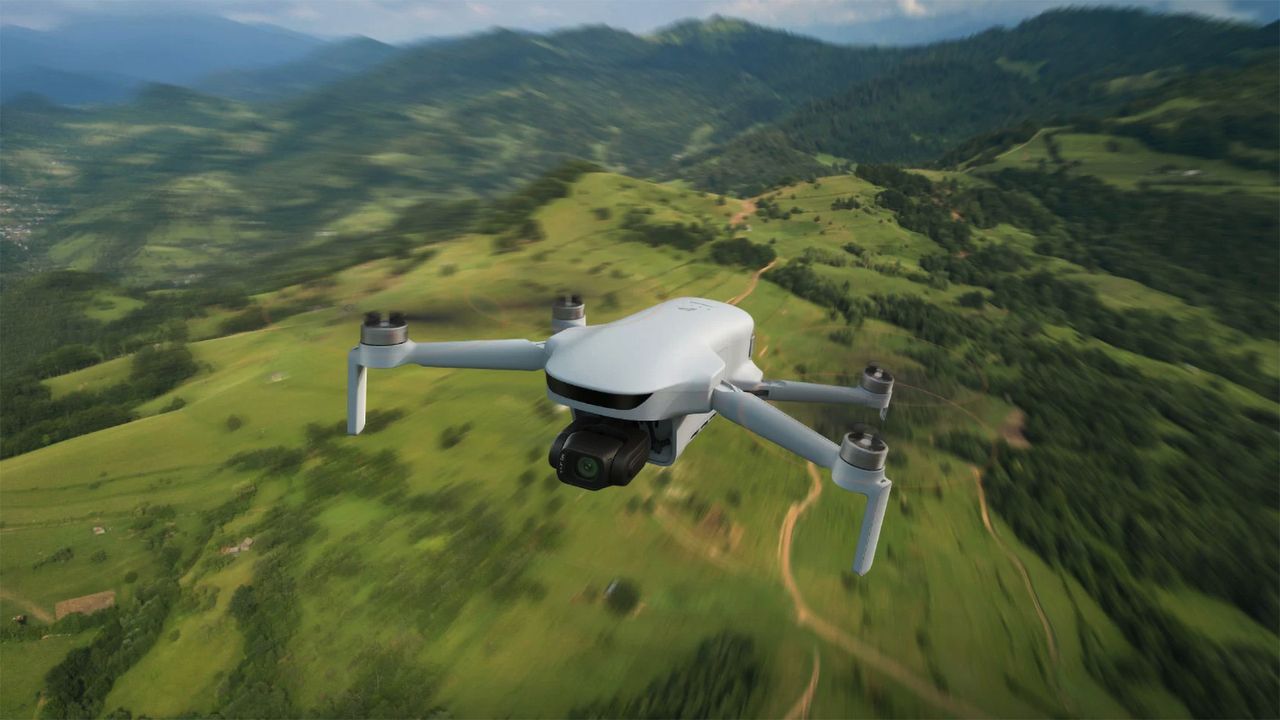
Potensic Atom 3 Drone Offers DJI Alternative for Global Markets, But Faces US Import Ban
Potensic has released the Atom 3, an upgraded beginner drone featuring a larger sensor, 4K 60fps video, improved battery life, and AI tracking capabilities at competitive pricing ($429.99-$549.99). The drone competes directly with DJI's Lito X1 but faces the same regulatory barriers as DJI in the US market due to a ban on foreign-made drones. The availability restrictions highlight ongoing US trade restrictions on Chinese drone manufacturers and limit consumer choice in the American market.

Wing and Walmart Expand Drone Delivery to Seven Additional U.S. Cities
Alphabet-owned Wing and Walmart are expanding their drone delivery partnership to seven new U.S. cities including Memphis, New Orleans, Philadelphia, Phoenix, San Diego, the San Francisco Bay Area, and Salt Lake City. The expansion is part of a plan to reach over 270 Walmart locations by next year, building on successful deployments in Atlanta, Dallas-Fort Worth, and Houston. The move signals that drone delivery is transitioning from a novelty service to a mainstream logistics option, with Wing having completed over 1 million commercial deliveries.

Anthropic CEO Calls for FAA-Style Regulation of Powerful AI Models
Anthropic CEO Dario Amodei published an essay calling for government regulation of powerful AI models, comparing the approach to FAA oversight of commercial aviation. The proposal includes mandatory third-party testing for frontier models and potential government authority to block or delay their deployment if they pose safety risks. The call comes as Anthropic released Claude Fable 5 and an updated Claude Mythos 5 model with advanced cybersecurity capabilities.