Major Tech Companies Turn to Stock Sales to Fund Massive AI Infrastructure Spending
Alphabet, Meta, Microsoft, Amazon, and other hyperscalers have shifted from stock buybacks to equity raises to fund their AI buildout, with Alphabet selling $85 billion in new shares and Oracle planning up to $25 billion. The four largest tech companies doubled their combined capital expenditure to $450 billion in 2025, with analysts expecting spending to exceed $700 billion this year. This marks a significant shift in how tech giants are financing their AI ambitions, with shareholders ultimately bearing the financial risk of these massive infrastructure investments.
Major technology companies are increasingly turning to equity offerings rather than stock buybacks to finance their massive artificial intelligence infrastructure investments. Alphabet's $85 billion share offering—its first since 2005—and plans by Oracle to raise up to $25 billion in equity represent a dramatic shift in corporate financing strategy. Meta, Microsoft, Alphabet, and Amazon doubled their combined capital expenditure to $450 billion in 2025, with analysts projecting spending could exceed $700 billion annually. Previously, these companies covered AI costs through their profitable advertising, cloud, and e-commerce businesses, then shifted to bond markets and off-balance-sheet arrangements like Meta's $27 billion Louisiana data center campus. Now, as AI costs continue to escalate, they are resorting to dilutive equity issuances—typically a last resort for CFOs—which will spread future profits across more shares and increase share counts after years of buyback-driven reductions.
What different sources said
- SemaforCenter
Hyperscalers are strapped for cash
Related
U.S. Markets Stage Rebounds Following Chip Stock Selloff
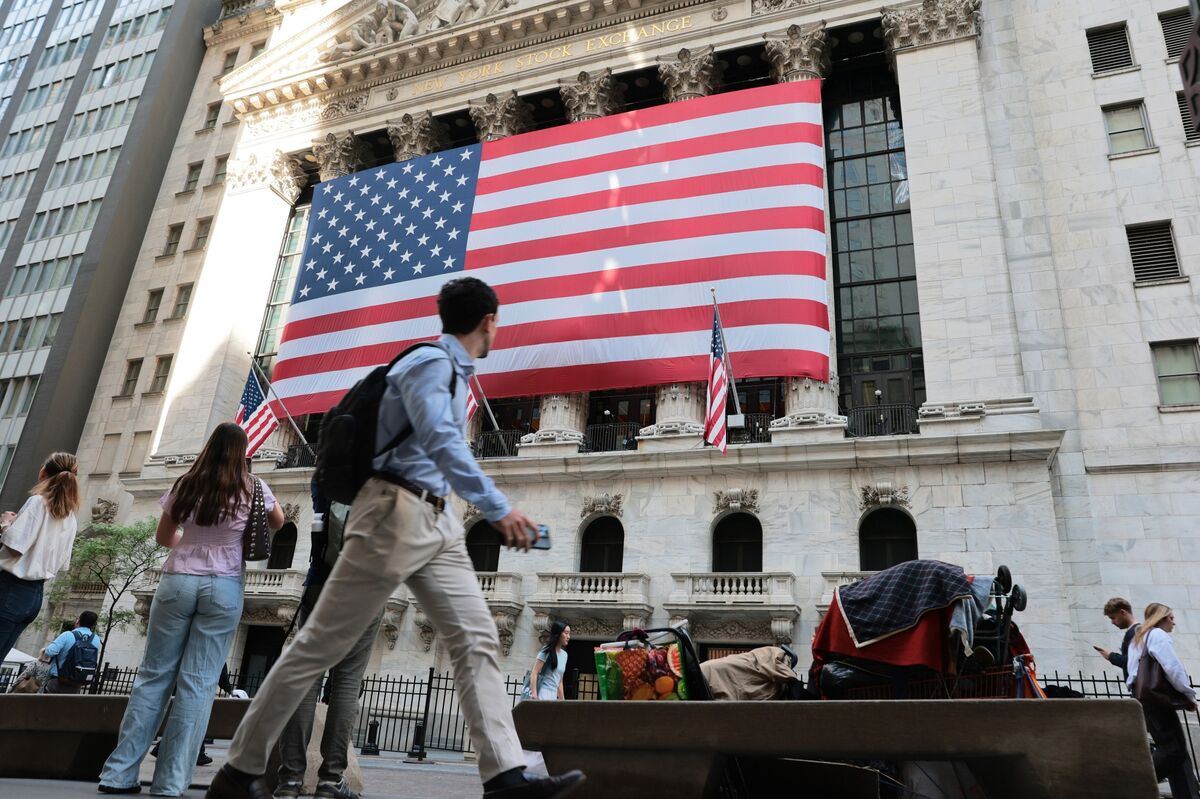
U.S. markets have rebounded twice following a dramatic Friday selloff in chip stocks, with gains at Monday's open and Tuesday afternoon. The Nasdaq 100 remains down 4.25% for the month despite the recoveries, and volatility has increased sharply. The pattern reflects the market's traditional 'buy the dip' behavior as investors resist giving up recent gains.
Japan's 30-Year Bond Auction Sees Weakest Demand in Over a Year
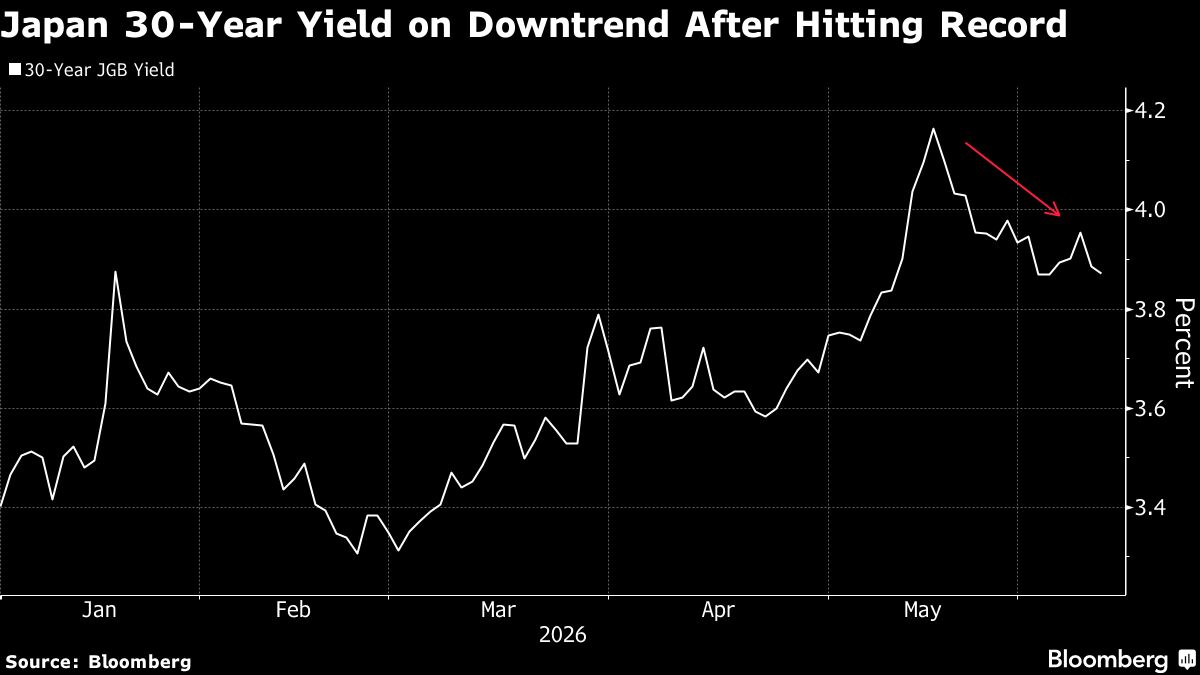
Japan's 30-year government bond auction on June 10, 2026 attracted the weakest demand since June 2025, with a bid-to-cover ratio of 2.94 compared to the previous 3.49. The decline reflects investor concerns over inflation and fiscal policy, as well as falling yields reducing appetite for the bonds. Weak bond demand can signal investor anxiety about Japan's economic outlook and fiscal sustainability.
HKEx CEO Bonnie Chan Calls Potential SpaceX Listing an 'Exciting Deal'
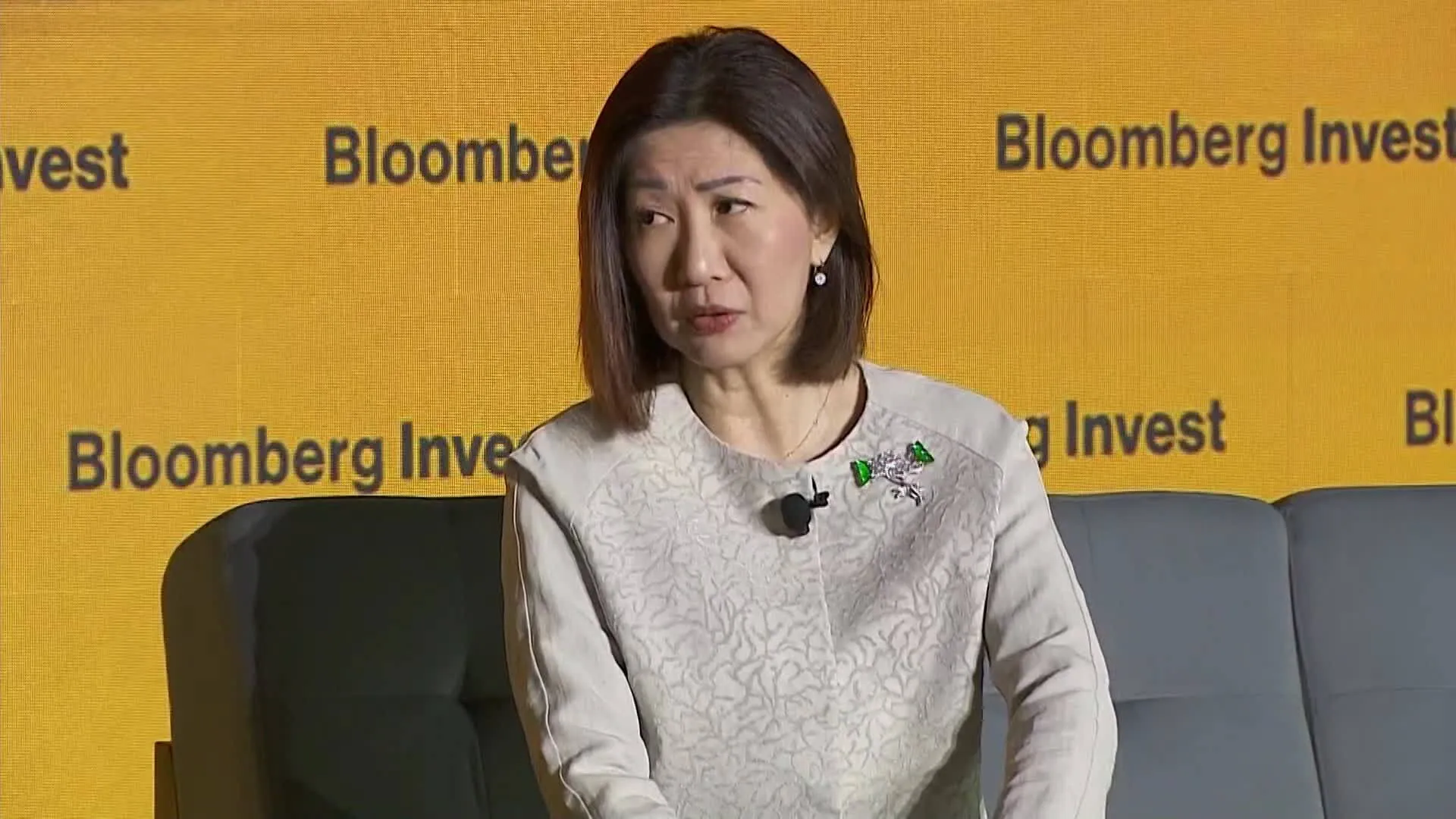
Hong Kong Exchanges and Clearing (HKEx) CEO Bonnie Chan expressed enthusiasm about a potential SpaceX listing, describing it as an exciting opportunity. Chan highlighted that Chinese supply chains have broad coverage relevant to such a deal. The statement suggests HKEx's interest in attracting major space industry companies to its exchange.