Magnitude-7.8 Earthquake Strikes Southern Philippines, Killing at Least 32
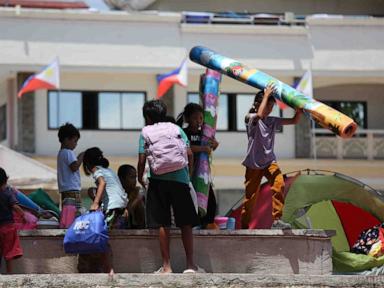
A magnitude-7.8 earthquake struck off the coast of Mindanao in the southern Philippines on June 8, 2026, killing at least 46 people, injuring more than 630, and displacing over 45,000. The quake — one of the strongest to hit the Philippines in 50 years — collapsed buildings, triggered landslides, and set off tsunami warnings across the region that were later lifted. The disaster has left thousands in emergency shelters, shut down General Santos City's international airport, and forced the suspension of classes for roughly 3.2 million students.
The 7.8-magnitude earthquake struck at 7:37 a.m. local time on June 8, 2026, centered off the coast of Sarangani province near General Santos City, a port city of over 700,000 people known as the Philippines' tuna capital. Shaking intensity maps showed the most severe impact concentrated around General Santos and Davao in the southern Philippines. Deaths were caused primarily by building collapses and landslides, including a landslide in the mountainside town of Glan, Sarangani, that buried homes and killed at least 13 people. Iconic structures including a Jollibee fast-food restaurant and a multi-story supermarket in General Santos collapsed, with rescuers spending days searching the supermarket rubble for trapped employees. Tsunami warnings were issued for the Philippines, Indonesia, Japan, and Australia, but waves reaching up to 1.4 meters caused only limited damage — six shanties on stilts in one coastal village. More than 2,100 aftershocks followed the main quake, including several above magnitude 6, hampering rescue operations and keeping hospitals from using their damaged buildings. Philippine officials credited years of disaster-preparedness drills with limiting the casualty toll, noting the quake struck just before most people had entered buildings for work and school.
Data: GDACS / BBC
What's missing
The full economic damage assessment has not yet been published; initial figures cover only housing and government buildings.
How coverage differed
Coverage was broadly factual across outlets, though death toll figures varied significantly depending on publication time as the count rose from 32 to 46 over several days. Fox News included tangential links to unrelated Philippines military stories, reflecting a slightly different editorial framing, while left-leaning outlets like The Guardian and PBS NewsHour gave more emphasis to humanitarian conditions and systemic disaster preparedness.
What different sources said
- Fox NewsRight
A 7.8 magnitude quake in the Philippines kills at least 32, collapses buildings and sparks tsunami
- The GuardianLeft
Powerful earthquake in southern Philippines leaves at least 32 dead
- AP NewsCenter
Philippine town seeks immediate airlift of food to ease hunger in quake-hit villages
- ABC News InternationalCenter
Philippine town seeks immediate airlift of food to ease hunger in quake-hit villages
- South China Morning PostCenter
Filipino mayor begs for helicopters to fly food to ‘very hungry’ quake survivors
- The HinduCenter
Philippine town seeks immediate airlift of food to ease hunger in quake-hit villages
- Deutsche WelleCenter
Philippines: Large Mindanao quake displaced roughly 20,000
- The IndependentLeft
Aerial footage shows devastation following deadly Philippines earthquake
- BBCCenter
Hundreds of aftershocks jolt Philippines as officials say death toll could rise
- Channel NewsAsiaCenter
Rescuers press on in quake-hit Philippines as aftershocks and infrastructure damage hamper efforts
- The Japan TimesCenter
Outdoor hospitals, shaken communities as Philippine quake toll hits 41
- DawnCenter
Outdoor hospitals, cut-off communities as Philippine quake toll hits 41
- CBS WorldCenter
Deadly Philippines earthquake unleashes small tsunami
- EuronewsCenter
Philippines earthquake: Residents clear debris amid concerns over aftershocks
- Eos (AGU)Center
Reports of landslides triggered by the 8 June 2026 M=7.8 earthquake offshore Mindanao in the Philippines
- NDTVCenter
Death Count In 7.8 Magnitude Philippines Earthquake Rises To 46
- PBS NewsHourLeft
Disaster drills helped prevent more deaths when powerful quake hit the southern Philippines
- JW.ORGCenter
Destructive Earthquake Shakes the Southern Philippines
Related
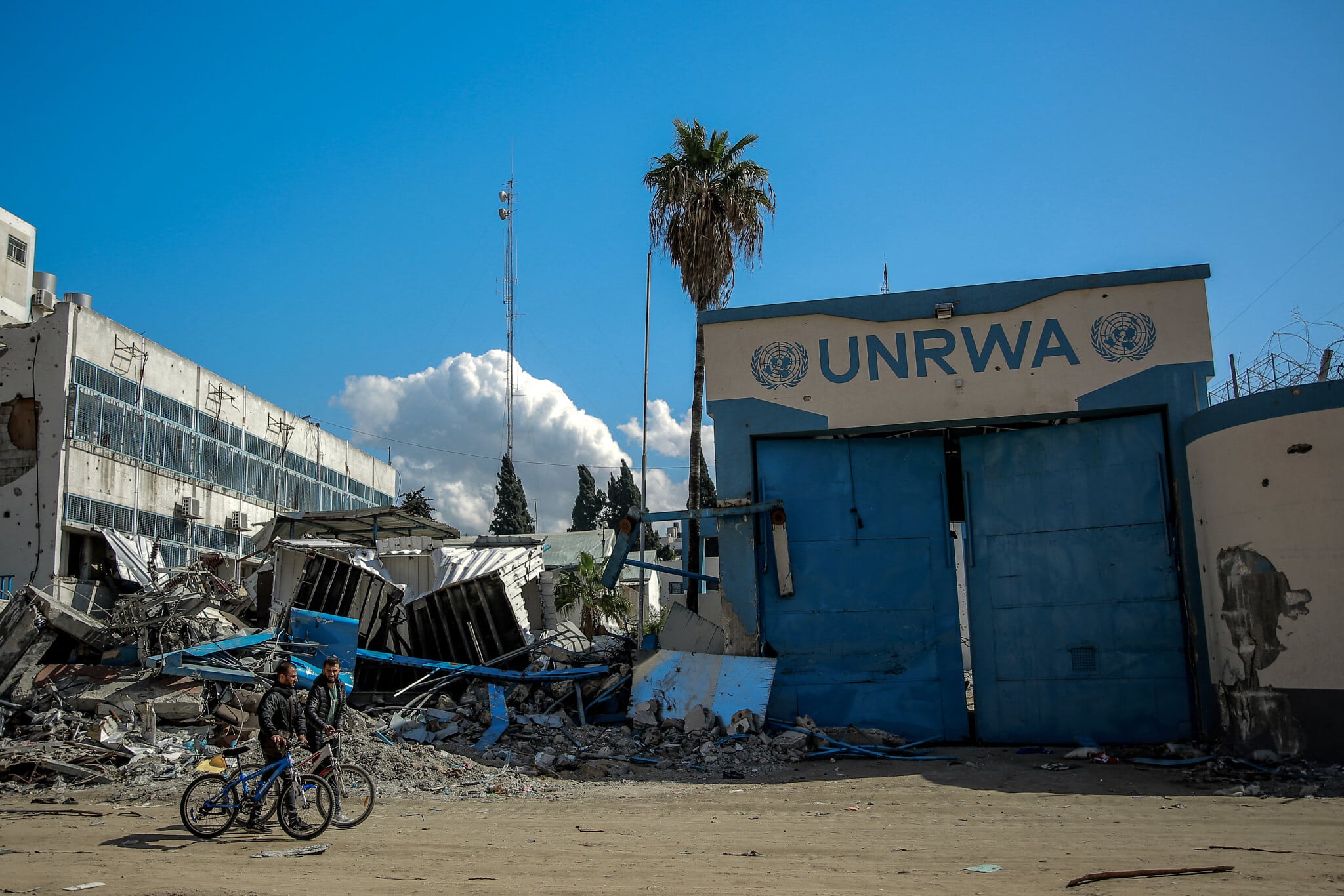
UNRWA Fires 70 Gaza Staff Members, Denies Terminations Validate Hamas Allegations
The UN agency for Palestinian refugees, UNRWA, has dismissed 70 employees in Gaza with immediate effect, citing safety and security risks. The move follows a USAID investigation that referred over 100 UNRWA staff for suspension or dismissal, and longstanding Israeli allegations that significant portions of the agency's workforce have ties to Hamas. The firings mark a significant but contested step in addressing accusations that have dogged the agency since the October 7, 2023 attacks, while UNRWA insists the dismissals are not an admission of guilt.
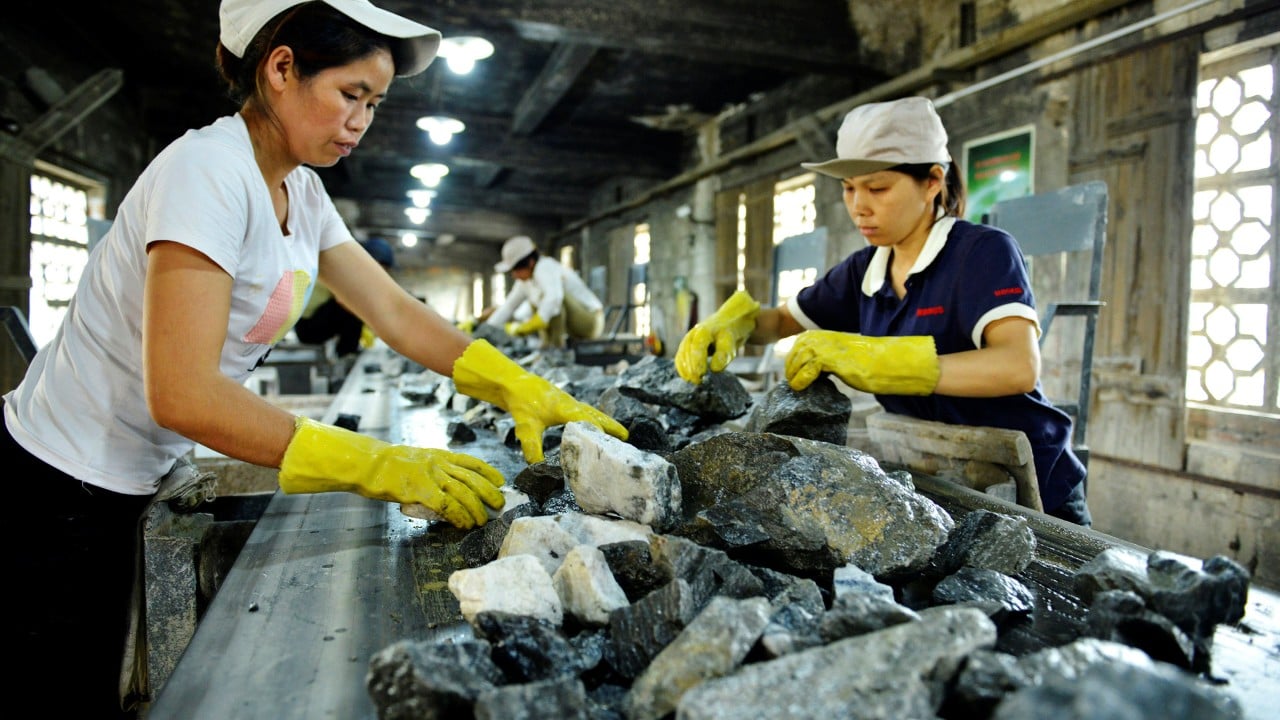
China's Tungsten Export Controls Ripple Through Global Supply Chains, From AI Chips to Weapons
China's 2025 export restrictions on tungsten have triggered price surges, potential production halts at Japanese semiconductor gas manufacturers, and a push to revive domestic mining in the United States. Tungsten, of which China produces over 78 percent of global supply, is critical to both advanced AI chipmaking and military munitions. The disruptions are exposing deep vulnerabilities in Western and Asian supply chains for a material with few short-term substitutes.

Rain Delays Start of India vs Afghanistan 1st ODI in Dharamshala
Persistent drizzle has delayed the toss and cast doubt over the first ODI between India and Afghanistan at the Himachal Pradesh Cricket Association Stadium in Dharamshala. The meteorological department issued an orange alert for June 12 warning of thunderstorms and hail across parts of Himachal Pradesh, with a 60–70% chance of showers forecast throughout the day. The delay threatens what would have been a historically significant match — the first-ever bilateral ODI series between the two nations.