Madhya Pradesh Scraps Two-Child Rule for Government Jobs
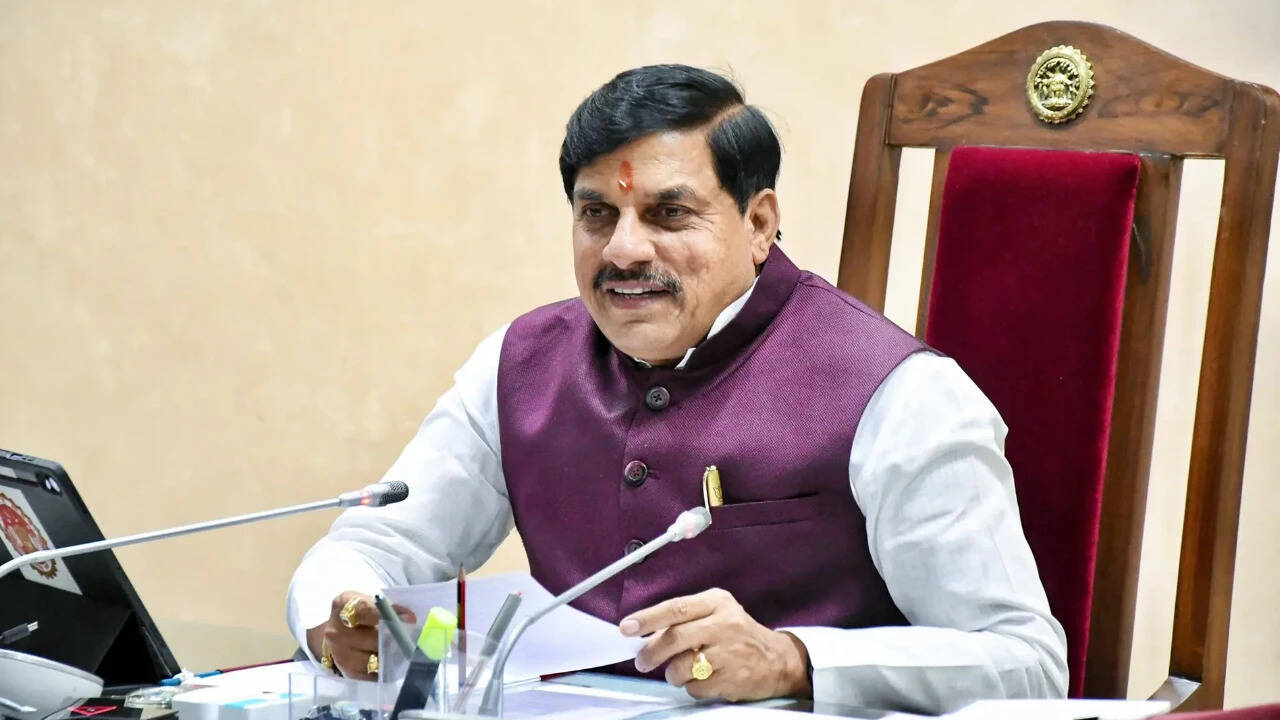
Madhya Pradesh Chief Minister Mohan Yadav has ordered the removal of a provision barring candidates with more than two children from government employment, reversing a policy in place since 2001. The rule had disqualified applicants with more than two living children born on or after January 26, 2001, from direct recruitment and departmental appointments, and also treated having more than two children as misconduct for serving employees. The decision is expected to benefit thousands of job aspirants and current government employees, and aligns Madhya Pradesh with other states that have already abandoned similar restrictions.
Madhya Pradesh Chief Minister Mohan Yadav has directed the General Administration Department to scrap a draft provision in the proposed civil services rules that retained a two-child limit as a condition for government employment eligibility. The restriction, originally introduced in 2001 as part of population-control measures, barred candidates with more than two living children born on or after January 26, 2001, from direct recruitment and departmental appointments under the MP Civil Services (General Conditions of Service) Rules, 1961. Additionally, under the MP Civil Services (Conduct) Rules, 1965, having more than two children was classified as misconduct for serving government employees. The Chief Minister has ordered the draft to be removed from the official portal immediately and instructed the department to prepare and publish a revised version without the controversial provision. The move is widely seen as a significant policy reversal that brings relief to job aspirants, young families, and existing government employees who had long objected to the rule. Madhya Pradesh joins Rajasthan, which removed a similar restriction in 2016, and Chhattisgarh, which did so in 2017.
What's missing
Neither source explains the specific policy rationale or political trigger behind the timing of this reversal, nor whether the change will apply retroactively to employees previously penalized or dismissed under the old rule.
What different sources said
- Times of IndiaCenter
Madhya Pradesh orders scrapping of 2-child rule for govt job
- NDTVCenter
Madhya Pradesh Removes Two-Child Norm For Government Employees
Related

Workers Begin Removing Trump's Name from Kennedy Center Facade After Court-Ordered Deadline
Workers started stripping President Trump's name from the exterior of the Kennedy Center in Washington overnight Friday into Saturday, hours past a court-ordered deadline of 11:59 p.m. Friday. The delay was attributed to nearby thunderstorms, and the Kennedy Center's board sought a 12-hour extension, which U.S. District Judge Christopher Cooper had already denied after rejecting the board's last-minute attempt to halt the order. The removal marks a significant legal rebuke of the Trump administration's effort to rename the historic performing arts venue, with a court ruling that only Congress has the authority to change the Kennedy Center's name.

Hasan Piker Campaigns for DSA-Backed NYC Candidates, Sparking Debate Over Democratic Party Direction
Twitch streamer Hasan Piker rallied in Brooklyn for two Democratic Socialist of America-endorsed congressional candidates ahead of New York's June 23 primary, declaring the country is 'closer than ever' to socialism. The appearances come amid a broader debate within the Democratic Party over whether to embrace or distance itself from Piker, whose pro-Palestinian views and provocative statements have made him a polarizing figure. The controversy highlights a growing tension between the party's centrist establishment and its increasingly left-leaning base, particularly on foreign policy.

Fire Rescue Victoria Has Missed Emergency Response Targets Every Year Since 2020, With Outer Suburbs Worst Affected
Fire Rescue Victoria (FRV) has failed to meet its target of responding to 90 per cent of structural fires within seven minutes and 42 seconds in every year since its formation in 2020, with outer suburban areas recording the worst performance. The shortfall has come into sharp focus following the death of three-year-old Jordan Dashwood in a Werribee house fire this month, where the nearest FRV truck was committed to another incident and the first responders arrived well outside the benchmark time. The findings raise serious questions about whether the 2020 fire services restructure has been adequately resourced to protect Melbourne's rapidly growing outer suburbs.