Machine Learning Model Outperforms Clinical Scores in Predicting Atrial Fibrillation Risk in Cardiac Patients
Researchers developed interpretable machine learning models (Pre-AF 13 and Pre-AF 9) that predict atrial fibrillation risk in cardiovascular disease patients using data from hospital discharge reports. The models achieved better predictive performance (ROC AUC 0.725-0.735 over 24 months) than four established clinical risk scores (ROC AUC 0.53-0.64). The findings suggest that AI-derived risk scores using routine hospital data could improve identification of high-risk patients for atrial fibrillation.
In a retrospective study of 17,562 cardiovascular disease patients from a Russian cardiology center, researchers used natural language processing to extract 73 features from unstructured hospital discharge reports and built machine learning models to predict atrial fibrillation (AF) development. The full model achieved ROC AUC scores of 0.735 for 24-month prediction and 0.696 for entire follow-up, substantially outperforming four established clinical risk scores (CHARGE-AF, C2HEST, MHS, HAVOC) which ranged from 0.53-0.64. A simplified 13-feature model (Pre-AF 13) maintained nearly identical performance, while a linear 9-feature bedside risk score (Pre-AF 9) stratified observed 24-month AF incidence from approximately 7% to 36%. SHAP analysis identified age and left atrial volume as the dominant predictors. The study demonstrates that interpretable machine learning models built from routinely collected electronic health record data can effectively identify high-risk AF patients, particularly in the challenging population of those with existing cardiovascular disease.
What's missing
The study is single-center (Russia) and external validation on independent cohorts is not reported, limiting generalizability to other healthcare systems and populations. The paper does not discuss potential clinical implementation barriers, cost-effectiveness, or comparison of model performance stratified by patient subgroups.
What different sources said
- arXiv cs.LGCenter
Pre-AF 13: An Interpretable Atrial Fibrillation Risk Score Mined from Discharge Reports
Related

Actor Tyler Mane Reveals Breast Cancer Diagnosis, Plans to Raise Awareness
Tyler Mane, 59, best known for playing Sabretooth in the 2000 'X-Men' film, announced he has been diagnosed with breast cancer and is beginning chemotherapy treatment. Male breast cancer is rare, affecting fewer than 1% of all breast cancer cases and one in 750 men, and is often diagnosed at later stages due to low awareness. Mane plans to document his treatment journey to encourage other men to recognize symptoms and seek early diagnosis.

Study Links Glucosamine Supplement to Faster Alzheimer's Progression in People with Mild Cognitive Impairment
Researchers at the University of Florida found that people with mild cognitive impairment who took glucosamine were 25% more likely to progress to dementia, and glucosamine users with Alzheimer's disease showed a 25% increase in mortality risk. The study analyzed health records from over 4,600 patients combined with brain imaging and mouse models, published in Nature Metabolism. The findings suggest glucosamine may interfere with metabolic processes already disrupted in Alzheimer's disease, though researchers emphasize the results do not prove causation and require confirmation through clinical trials.
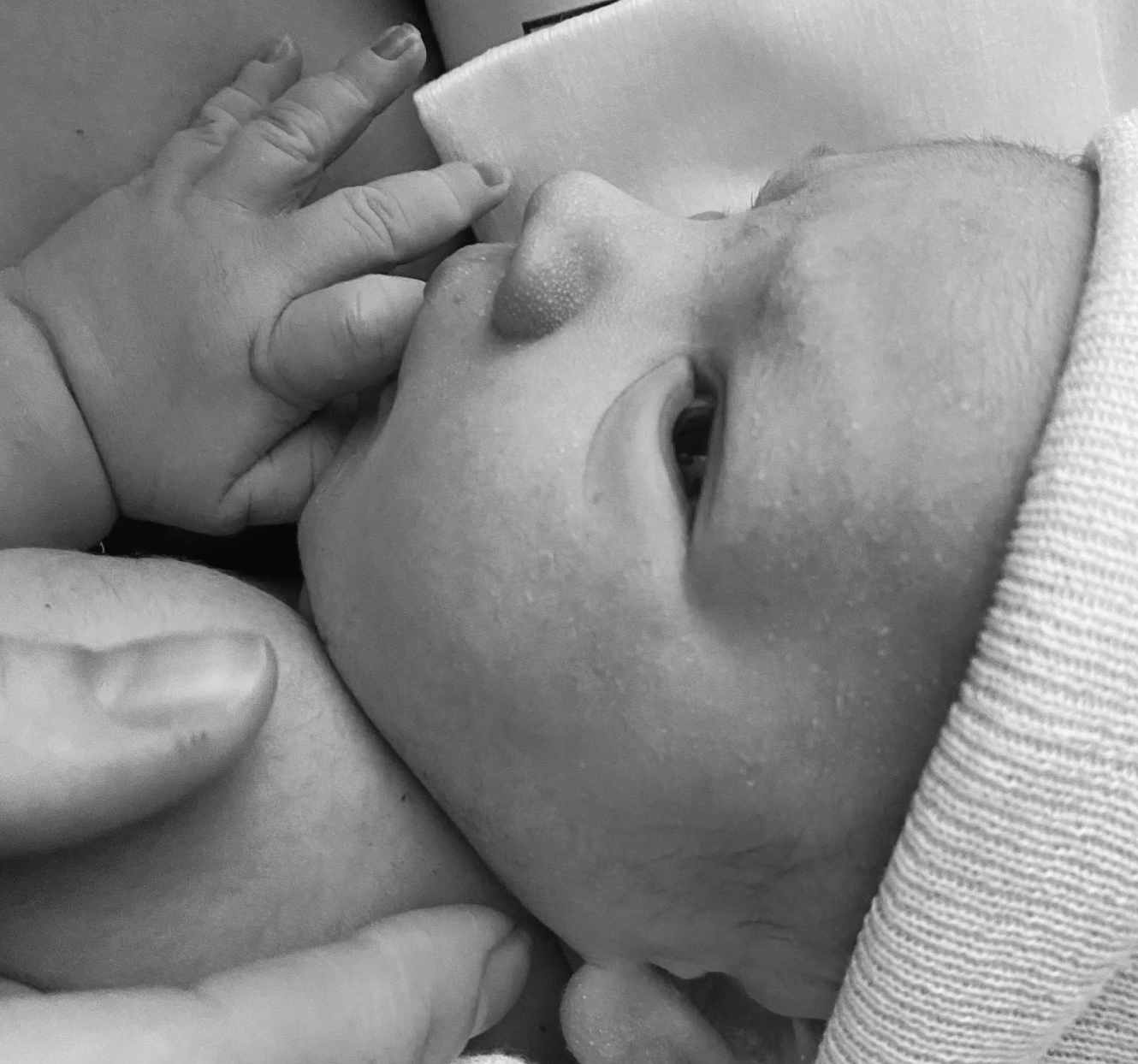
Father's Personal Account of Infant Son's Death Leads to Rare Lung Disease Diagnosis and New Genetics Lab
Owen, born in September 2021, died from alveolar capillary dysplasia (ACD) after weeks in the NICU despite initial whole genome sequencing that missed the diagnosis. The case prompted geneticist Paweł Stankiewicz to reanalyze Owen's genome post-mortem, discovering a 91 kilobase DNA deletion affecting FOXF1 expression critical for lung development. The father's account describes launching Gamow Labs, apparently motivated by this experience to improve genetic diagnostics for critically ill infants.