Lula Widens Lead Over Flavio Bolsonaro in Brazilian Presidential Race, Poll Shows
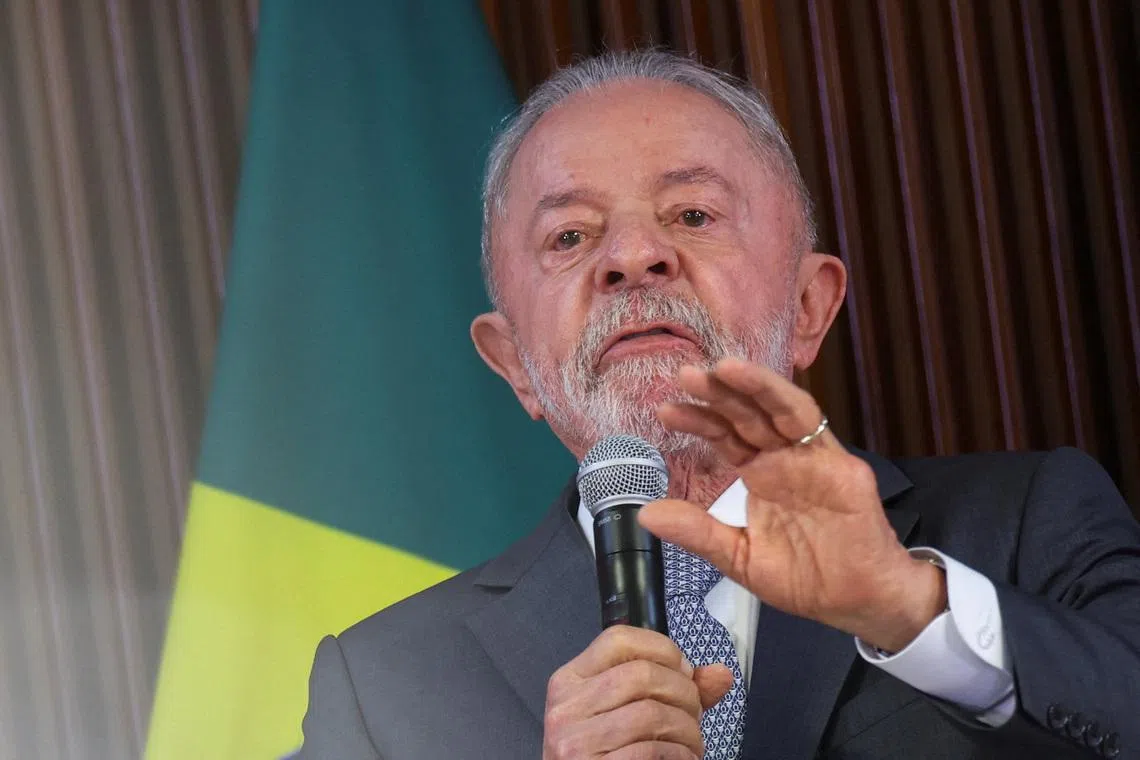
A new Genial/Quaest poll shows Brazilian President Luiz Inácio Lula da Silva leading Senator Flávio Bolsonaro 44% to 38% in a hypothetical second-round runoff, widening from a near-tie in May. The shift follows an Intercept Brasil report alleging Flávio negotiated a $24 million investment from disgraced former Banco Master owner Daniel Vorcaro to finance a film about his father, ex-President Jair Bolsonaro — allegations Flávio denies. Brazil's presidential election is scheduled for October, with a potential runoff if no candidate clears 50% of valid votes.
Brazilian President Luiz Inácio Lula da Silva has recovered ground against his leading opposition challenger, Senator Flávio Bolsonaro, according to a Genial/Quaest poll released Wednesday. In a second-round scenario, Lula leads 44% to 38%, compared to a near-deadlock of 42% to 41% in May. The turnaround follows an Intercept Brasil investigation alleging Flávio negotiated a $24 million investment from former Banco Master owner Daniel Vorcaro — a figure described as disgraced — to fund a film inspired by the life of his father, former President Jair Bolsonaro. Flávio has denied any wrongdoing. In a first-round simulation, Lula leads with 39%, followed by Flávio at 29%, with other candidates in low single digits. Bloomberg also noted that increased U.S. pressure on Brazil ahead of the October election is adding to the political backdrop. The Quaest survey polled 2,004 people between June 5–8, with a margin of error of two percentage points.
What's missing
Neither source clarifies the specific nature of the U.S. pressure on Brazil referenced by Bloomberg.
How coverage differed
The Straits Times focused primarily on the corruption allegation involving Flávio Bolsonaro and the Banco Master banker as the driver of Lula's improved polling. Bloomberg's Portuguese-language report additionally cited growing U.S. pressure on Brazil as a contributing factor to the political climate, a dimension absent from the Straits Times coverage.
What different sources said
- BloombergCenter
Lula abre vantagem de 6 pontos sobre Flávio, diz Quaest
- The Straits TimesCenter
Brazil's Lula widens lead over Flavio Bolsonaro ahead of presidential vote, poll shows
Related

Workers Begin Removing Trump's Name from Kennedy Center Facade After Court-Ordered Deadline
Workers started stripping President Trump's name from the exterior of the Kennedy Center in Washington overnight Friday into Saturday, hours past a court-ordered deadline of 11:59 p.m. Friday. The delay was attributed to nearby thunderstorms, and the Kennedy Center's board sought a 12-hour extension, which U.S. District Judge Christopher Cooper had already denied after rejecting the board's last-minute attempt to halt the order. The removal marks a significant legal rebuke of the Trump administration's effort to rename the historic performing arts venue, with a court ruling that only Congress has the authority to change the Kennedy Center's name.

Hasan Piker Campaigns for DSA-Backed NYC Candidates, Sparking Debate Over Democratic Party Direction
Twitch streamer Hasan Piker rallied in Brooklyn for two Democratic Socialist of America-endorsed congressional candidates ahead of New York's June 23 primary, declaring the country is 'closer than ever' to socialism. The appearances come amid a broader debate within the Democratic Party over whether to embrace or distance itself from Piker, whose pro-Palestinian views and provocative statements have made him a polarizing figure. The controversy highlights a growing tension between the party's centrist establishment and its increasingly left-leaning base, particularly on foreign policy.
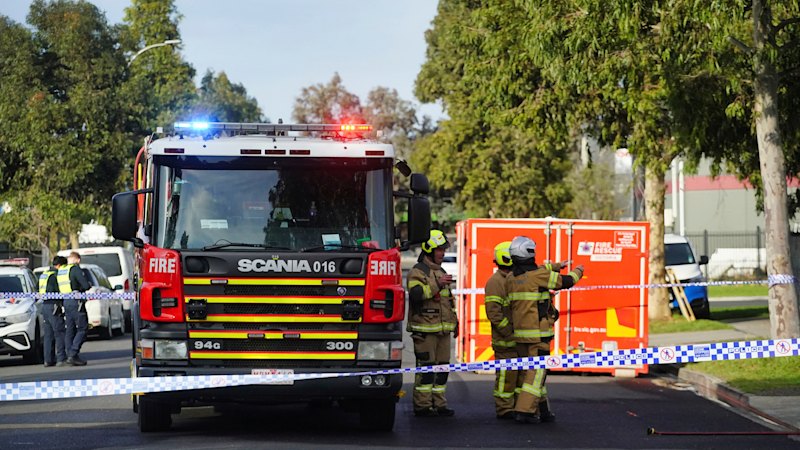
Fire Rescue Victoria Has Missed Emergency Response Targets Every Year Since 2020, With Outer Suburbs Worst Affected
Fire Rescue Victoria (FRV) has failed to meet its target of responding to 90 per cent of structural fires within seven minutes and 42 seconds in every year since its formation in 2020, with outer suburban areas recording the worst performance. The shortfall has come into sharp focus following the death of three-year-old Jordan Dashwood in a Werribee house fire this month, where the nearest FRV truck was committed to another incident and the first responders arrived well outside the benchmark time. The findings raise serious questions about whether the 2020 fire services restructure has been adequately resourced to protect Melbourne's rapidly growing outer suburbs.