Latest E-Reader Models: Kindle, Kobo, and Boox Options Compared

Boox has announced the Go 6 (Gen II), a refreshed 6-inch Android e-reader priced at $199.99 that adds stylus support for note-taking, with preorders open now and shipping beginning June 17th. The device upgrades its predecessor with 3GB of RAM (up from 2GB), 32GB of built-in storage with microSD expansion, and compatibility with the $45.99 InkSense Plus stylus, while retaining a 300 PPI E Ink display and Android 11 with Google Play Store access. The addition of stylus support positions the Go 6 Gen II as a rare budget-friendly device that combines e-reading, open app ecosystems, and handwritten note-taking in a compact form factor.
Boox has unveiled the Go 6 (Gen II), a second-generation version of its compact 6-inch e-reader that introduces stylus support via the company's InkSense Plus accessory, enabling users to annotate documents, sketch, and capture handwritten notes. The device is available for preorder at $199.99, with an optional bundle including the $45.99 stylus for $232.99, and is expected to ship on June 17th. It comes in four color options — plum, stone, shell, and custard — though the colors apply only to the rear panel. Beyond stylus support, the Gen II model bumps RAM from 2GB to 3GB for improved responsiveness and ships with a native note-taking app. It retains a 300 PPI monochrome E Ink display, adjustable front lighting with color temperature control, Wi-Fi, Bluetooth, and a 1,500mAh battery rated for weeks of use. Running Android 11 with Google Play Store access, the device can install apps from both Amazon Kindle and Kobo ecosystems, as well as a wide range of third-party reading and note-taking apps, though performance of those apps may vary due to the inherent low frame rate of E Ink displays. Compared to rivals like the entry-level Amazon Kindle or Kobo Clara BW, the Go 6 Gen II is more expensive but offers significantly more flexibility, including expandable storage and an open software platform.
What's missing
No independent hands-on battery life testing data is available yet, as the device has not begun shipping. The exact stylus latency and writing experience quality compared to dedicated note-taking devices like the reMarkable have not been independently verified ahead of the June 17th ship date.
How coverage differed
The Verge framed the Go 6 Gen II as a potential all-in-one replacement for Kindle, Kobo, and digital notepads, emphasizing its competitive versatility. Engadget took a more measured tone, noting that running apps on e-readers 'can often be frustrating due to the low frame rate' and that 'results will vary,' offering a more cautious assessment of the Android ecosystem advantage.
What different sources said
- 9to5GoogleCenter
Boox updates 6-inch pocketable Android e-reader with stylus support
- EngadgetCenter
Boox's new Go 6 ereader offers stylus support for note-taking
- The VergeLeft
Boox’s new e-reader could replace your Kindle, Kobo, and digital notepad
- WiredLeft
The Best E-Readers of 2026: Kobo, Kindle
Related
Samsung Galaxy S25 and S25 FE See Significant Price Cuts
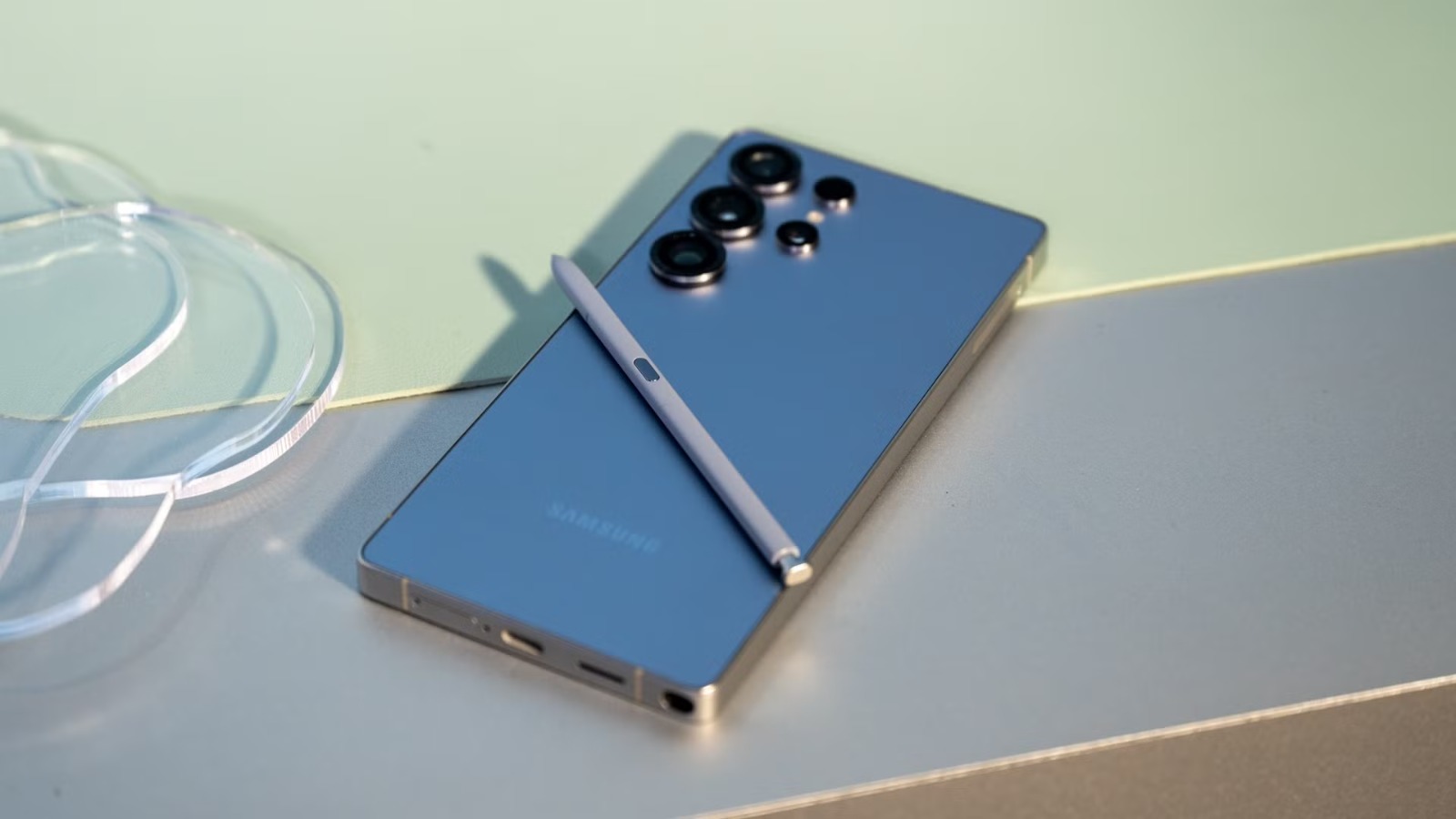
Samsung's Galaxy S25 and Galaxy S25 FE smartphones are currently available at notably reduced prices, with the S25 FE dropping $201 (33%) to $449 on Woot for a limited time. The price reductions come amid a competitive smartphone market and ahead of anticipated future Samsung releases. The discounts make previously premium-priced devices more accessible to budget-conscious consumers.

Anthropic Disables Fable 5 and Mythos 5 AI Models Globally After US Government Export Control Order
Anthropic has suspended all public access to its two most advanced AI models, Fable 5 and Mythos 5, after the US Commerce Department issued an export control directive ordering the company to block foreign nationals from accessing them on national security grounds. The order came just three days after Fable 5's public launch and reportedly stems from government concerns about a potential jailbreak that could enable the models to assist with cyberattacks, though Anthropic says it received only verbal evidence of a narrow, non-universal vulnerability. The shutdown affects all customers globally — including enterprise users and Anthropic employees — and marks a significant escalation of US efforts to restrict foreign access to advanced AI models themselves, rather than just the chips that power them.
Xbox Free Play Days Offers Three Games Free to Play June 11–14
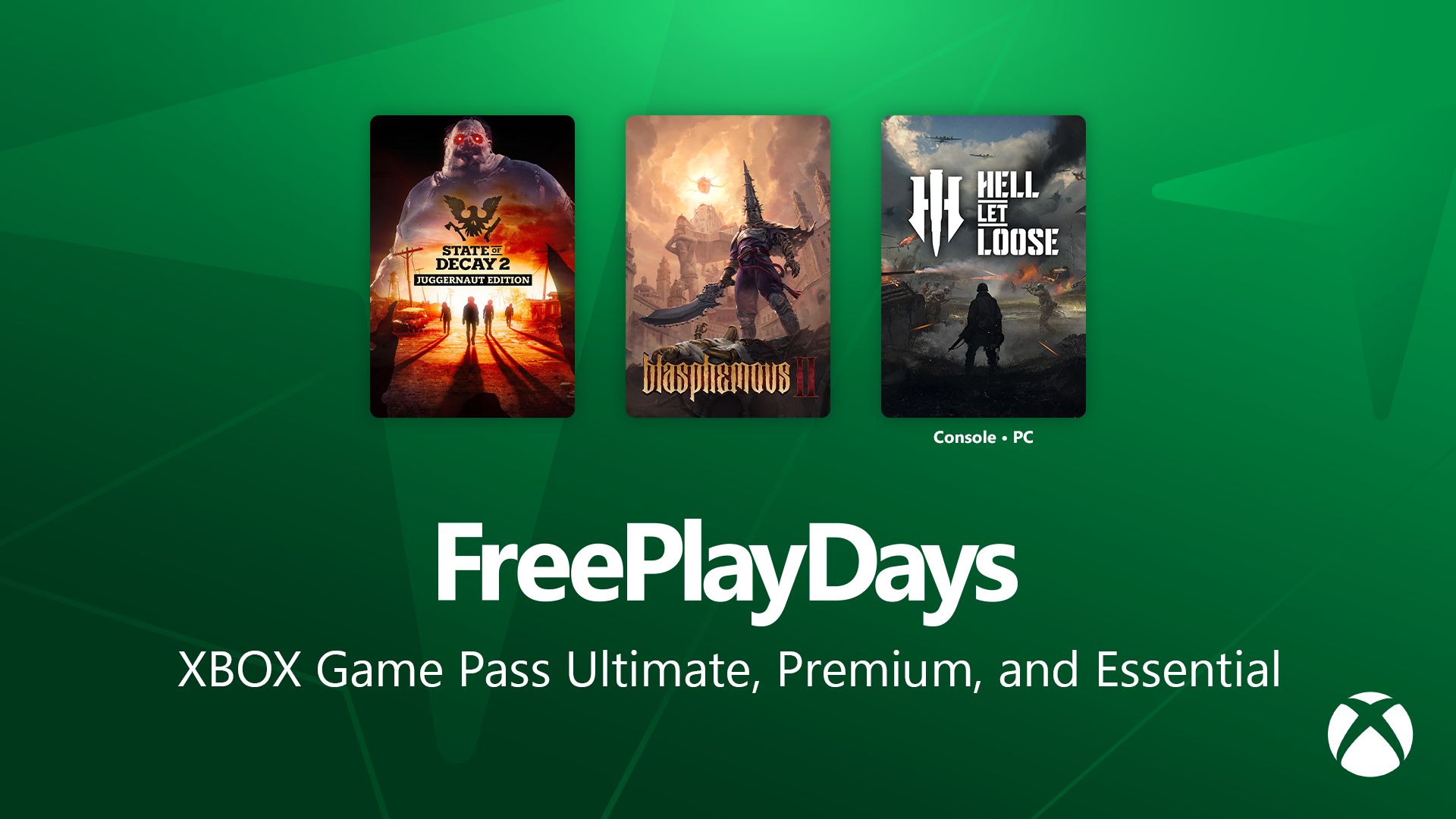
Microsoft's Xbox Free Play Days program is offering Hell Let Loose, State of Decay 2: Juggernaut Edition, and Blasphemous 2 at no cost from June 11 to June 14. Hell Let Loose requires an Xbox Game Pass Ultimate, Premium, or Essential membership, while State of Decay 2 and Blasphemous 2 (via a five-hour timed trial) are accessible to all Xbox console owners. Players who wish to keep any of the games can purchase them at a limited-time discount and retain any achievements earned during the free period.